
Local Guide
Best Bird Shops & Supplies in Singapore (2026)
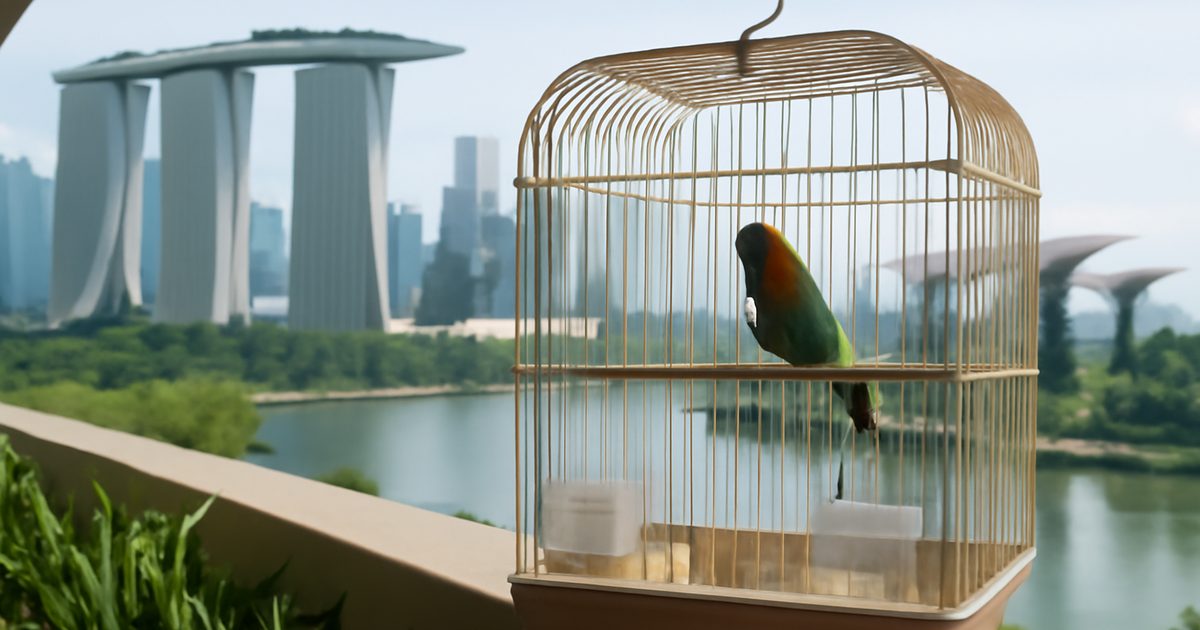
Keeping a pet bird is a long-term commitment, and where you buy your bird and its supplies sets the tone for years of care. This guide is for first-time and experienced owners choosing a bird shop Singapore can offer with confidence — one that sells only legal, permitted pet species, stocks proper cages and feed, and points you towards good avian veterinary care. Birds are sensitive, intelligent animals with specific needs, so we focus on how to pick a responsible shop and what to budget, rather than on impulse buys.
Buy only legal, AVS-permitted pet birds
Before anything else, buy only species that are legal to keep as pets in Singapore. The Animal & Veterinary Service (AVS) under the National Parks Board regulates which birds may be kept and sold, and reputable shops sell only permitted, captive-bred pet species. Common legal pet birds here include budgerigars (budgies), cockatiels, lovebirds, canaries, finches such as zebra finches, and various parrots and parakeets that are kept under the applicable rules.
Never buy a wild-caught or protected bird. Capturing, keeping or trading native wildlife and protected species — including many wild songbirds — is illegal, and so is importing birds without the correct permits. A responsible shop will be transparent about a bird’s species and captive-bred origin, and will never offer protected wildlife. If a seller is cagey about provenance or offers an unusual “exotic” cheaply, walk away and consider reporting it. When in doubt about whether a species is permitted, check current AVS guidance before you buy.
Why captive-bred and provenance matter
Captive-bred birds are healthier, better socialised and far less stressed than wild-caught ones, and buying them protects wild populations. A good shop can tell you a bird’s approximate age, diet and any handling history, which all help you settle a new pet at home.
What to look for in a good bird shop
A trustworthy bird shop is judged first on animal welfare, then on the range and quality of its supplies.
Clean, well-kept livestock
Visit in person and watch the birds. They should be bright-eyed, active and well-feathered, in clean enclosures with fresh water and food and sensible stocking density. Cramped, dirty or overcrowded cages, or listless, fluffed-up birds, are reasons to leave. Good shops quarantine new arrivals and are happy for you to observe before committing.
Knowledgeable, honest staff
Staff should know the species they sell, give realistic advice on lifespan, noise, mess and the daily care each bird needs, and never downplay how demanding some parrots are. A shop willing to tell you a species may not suit your flat or schedule is one that cares more about the bird than the sale.
Proper supplies and aftercare
The best shops stock appropriately sized cages, species-correct feed, perches, toys and cleaning supplies, and can advise on setup. Some offer follow-up support or can refer you to an avian vet. Treat the shop as an ongoing resource, not just a point of sale.
Cages, feed and accessories
Getting the basics right keeps a bird healthy and content.
Cages should match the species. The general rule is the bigger the better, with bar spacing suited to the bird so it cannot trap its head, and horizontal bars for climbing species. Allow room for the bird to fully stretch and flap its wings, plus space for perches and toys without crowding. Position the cage away from kitchens, draughts and direct afternoon sun.
Feed varies by species. Many birds do best on a formulated pelleted diet supplemented with appropriate fresh vegetables and limited seeds and fruit, rather than an all-seed diet that can cause nutritional problems over time. Ask the shop and, ideally, an avian vet what the correct balance is for your species, and always provide clean water and a cuttlebone or mineral source where suitable.
Accessories matter for enrichment. Birds are intelligent and easily bored, so varied perches of different diameters, foraging and chew toys, and safe bathing options all support their wellbeing. Avoid cheap toys with loose strings, toxic paints or small parts that can be swallowed.
Avian veterinary and health care
Birds hide illness well, so by the time one looks unwell it may already be seriously sick. Line up an avian-capable vet before you need one — not every general veterinary clinic treats birds, so confirm a clinic sees avian patients. A first health check after purchase is sensible, and routine check-ups help catch problems early.
Watch for warning signs such as fluffed feathers, sitting at the cage floor, laboured breathing, discharge, loss of appetite or sudden quietness, and seek veterinary advice promptly if you see them. Good husbandry — a clean cage, correct diet, fresh water and no exposure to fumes from non-stick cookware, aerosols or cigarette smoke — prevents many common problems. You can find clinics on our pet shops and supplies category and across the wider WhitePages.sg directory.
Typical bird and supply pricing in Singapore
Prices vary by species, supplies and setup, so think in tiers. Small, commonly kept birds such as budgies, finches and canaries sit at the accessible end. Cockatiels, lovebirds and small parakeets occupy a middle band, while larger parrots and rarer permitted species reach the premium end and represent a serious, decades-long commitment.
Beyond the bird, budget for a proper cage, which is often a significant one-off cost, plus ongoing feed, fresh produce, toys, cleaning supplies and veterinary care. A larger cage and species-appropriate enrichment cost more upfront but save money and stress later. These are indicative ranges only; the lifetime cost of food, enrichment and vet care typically far exceeds the purchase price, so factor that in rather than focusing on the sticker price of the bird.
Red flags to avoid
Steer clear of any shop offering wild-caught, protected or unidentified “exotic” birds, or one that is vague about a bird’s species or captive-bred origin — these are legal and welfare red lines. Be cautious of dirty, overcrowded enclosures, visibly unwell birds, and staff who push a sale without asking whether the species suits your home. Suspiciously cheap rare birds, all-seed diets sold as complete nutrition, and undersized cages marketed as “starter” homes all signal a shop putting margins ahead of animals. When in doubt, choose welfare and legality over a bargain.
Related guides
- Pet Services in Singapore: The Complete Guide
- Best Pet Shops in Singapore: A Buyer’s Guide
- How to Choose Reptile Shops in Singapore (2026)
- Best Cat Food in Singapore (2026): How to Choose
- Best Dog Food in Singapore (2026): How to Choose
Frequently asked questions
Which pet birds are legal to keep in Singapore?
The Animal & Veterinary Service (AVS) regulates which birds may be kept and sold. Commonly permitted captive-bred pet species include budgerigars, cockatiels, lovebirds, canaries, finches and various parrots and parakeets kept under the applicable rules. Wild-caught and protected birds, including many native songbirds, are illegal to keep or trade. Reputable shops sell only permitted, captive-bred species, and you should check current AVS guidance if unsure.
How do I know a bird shop is reputable?
Visit in person and assess welfare first. Birds should be bright-eyed, active and well-feathered in clean, sensibly stocked enclosures. Staff should know their species, give honest advice on noise, mess and lifespan, and never push a bird that does not suit your home. A good shop is transparent about a bird’s captive-bred origin and can advise on cages, feed and avian veterinary care.
What size cage does a pet bird need?
Match the cage to the species, with bigger being better. Bar spacing should suit the bird so it cannot trap its head, and the cage should let the bird fully stretch and flap its wings, with room for perches and toys without crowding. Position it away from kitchens, draughts and direct afternoon sun. A larger cage costs more upfront but greatly improves your bird’s wellbeing.
Do I need an avian vet for a pet bird?
Yes. Birds hide illness well, and not every general clinic treats them, so confirm a clinic sees avian patients before you need one. A health check after purchase is sensible, and prompt veterinary advice is important if you notice fluffed feathers, laboured breathing, loss of appetite or sudden quietness. Good husbandry and a correct diet prevent many common health problems.
How much does it cost to keep a pet bird in Singapore?
Small birds such as budgies and finches sit at the accessible end, cockatiels and small parrots in a middle band, and large parrots at the premium end. Beyond the purchase price, budget for a proper cage, ongoing feed and fresh produce, enrichment toys, cleaning supplies and veterinary care. The lifetime cost of food and care usually far exceeds the price of the bird, so plan for the long term.


