
Local Guide
Rock Climbing Gyms in Singapore: How to Choose
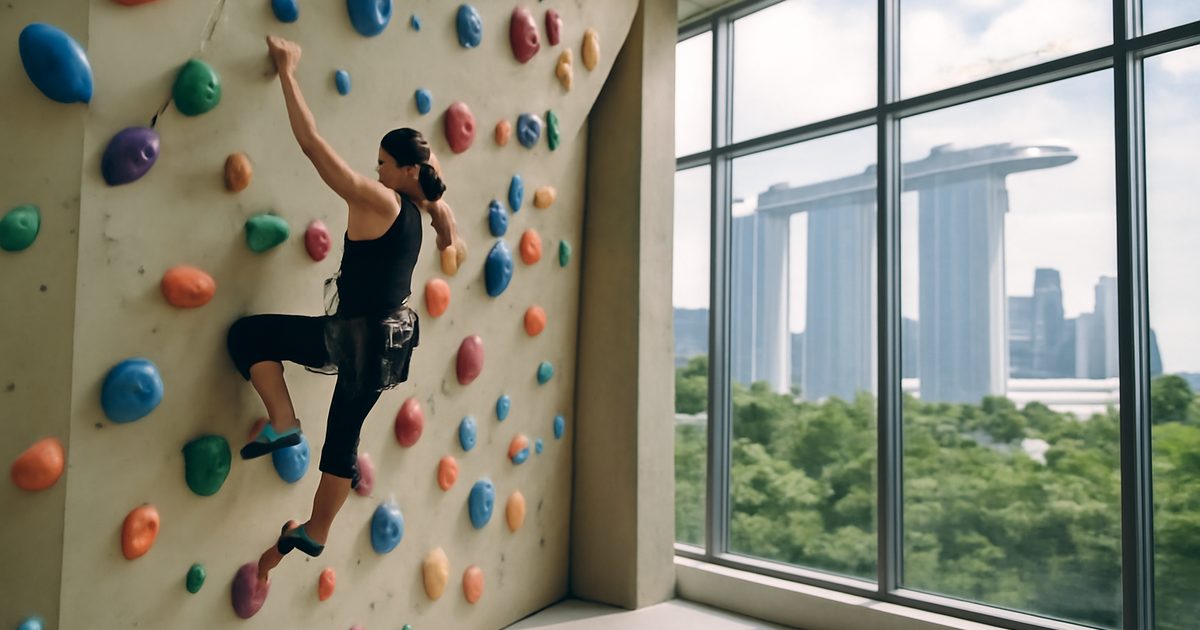
Indoor climbing has become one of the fastest-growing fitness pursuits in Singapore, and new walls keep opening across the island. If you are weighing up your first session, this guide explains how to choose a climbing gym in Singapore — the difference between bouldering and rope climbing, what beginner courses and certification involve, how gear rental works, and what you can expect to pay. It is written for total beginners, returning climbers, and parents looking for family-friendly sessions.
Bouldering vs top-rope and lead climbing
The first decision is which style of climbing suits you, because gyms tend to specialise. Knowing the difference helps you pick the right venue.
Bouldering
Bouldering involves shorter walls — usually around four to five metres — with thick crash mats below and no ropes. You climb problems graded by difficulty, hop off or down-climb when you are done, and rest between attempts. It is the easiest style to start because there is no equipment or partner to manage: turn up, rent shoes, and climb. Most newcomers begin here.
Top-rope climbing
Top-rope climbing uses taller walls with a rope already anchored at the top. A belayer on the ground manages the rope to catch you if you fall. It is well suited to people who want to climb higher routes and build endurance, though it requires either a certified partner or the gym’s staff to belay.
Lead climbing
Lead climbing is the most advanced of the three. The climber clips the rope into protection points while ascending, so falls are longer and rope management is more demanding. Gyms generally require a separate lead certification and a proven track record on top-rope before they let you lead.
Beginner courses and belay certification
If you have never climbed, look for a gym that runs structured introductory sessions rather than simply handing you a wristband. A good beginner intro course covers movement basics, how to fall safely onto mats, and gym etiquette such as not climbing directly above or below someone else.
For any rope climbing, you will need belay certification. This is a short assessed course — often an hour or two — where staff teach you to tie in, operate a belay device, give and take slack, and lower a partner safely. You typically must pass a practical check before you are allowed to belay unsupervised, and certifications from one gym are not always recognised at another. When choosing a gym, ask how often these courses run and whether you need to book ahead, as popular slots fill quickly on evenings and weekends.
If your main goal is a quick, social workout, a bouldering-focused gym lets you start the same day. If you want to climb tall walls with a partner, factor in the time and cost of getting belay-certified first.
Auto-belays, kids and family sessions
Solo climbers should check whether a gym has auto-belays — automated devices that retract the rope as you climb and lower you gently when you let go. They let you climb taller routes without a partner or certification, which is ideal if your friends are unavailable or you prefer training alone. Lanes are limited, so they can be busy at peak times.
Many gyms welcome children, but policies vary. Some set a minimum age for bouldering, run dedicated kids’ classes, or require an adult to supervise. Family-friendly venues may offer school-holiday programmes, birthday packages, and lower walls suited to younger climbers. If you are bringing children, confirm the minimum age, whether a parent must be present, and whether kids need their own course before climbing.
Gear rental and what to bring
You do not need to own equipment to start. Most gyms rent the essentials, and beginners are usually better off renting until they know they will stick with the sport.
- Climbing shoes — snug rubber-soled shoes that grip the holds. Rental is standard and inexpensive; bring clean socks if you prefer.
- Harness — needed for top-rope, lead and auto-belay climbing, but not for bouldering. Usually available to rent.
- Chalk — keeps your hands dry for grip. Sold by the bag or available in a chalk bag rental; some gyms restrict loose chalk in favour of liquid chalk to reduce dust.
- Belay device — provided as part of rope-climbing sessions or your certification course.
Wear comfortable, stretchy clothing you can move freely in. Once you climb regularly, buying your own shoes and chalk bag is the first sensible upgrade.
Day pass vs membership vs class packs — and pricing
How you pay should match how often you intend to climb. Singapore gyms generally offer three options.
- Day pass — best for trying the sport or climbing occasionally. Expect a single entry to fall in the region of $20–$35, with shoe and harness rental adding a few dollars each. Some gyms bundle gear into a first-timer package.
- Membership — monthly or term memberships suit anyone climbing weekly or more, with prices commonly in the $90–$170 per month range depending on the gym and whether multiple locations are included. Multi-pass and student rates are often available.
- Class packs and courses — beginner intro courses and belay certification are usually charged separately, frequently around $40–$90 depending on length and whether gear is included.
Treat these figures as broad ranges rather than fixed prices — they vary by gym, time of day, and any promotions, so always confirm current rates before you book.
Peak crowds and where to find a gym
Crowding affects both safety and enjoyment. The busiest periods are weekday evenings from roughly 6pm to 9pm, and most of the weekend, especially Saturday afternoons. If you can climb on a weekday morning or early afternoon, you will have far more space on the wall and shorter waits for auto-belay lanes. Some gyms publish live capacity counts or let you check crowd levels online before heading down.
Climbing gyms are spread across the island, with clusters in industrial and lifestyle districts where larger floorplates allow tall walls — including spots in the central region as well as the east and west. To compare what is near your home or office, browse listings in our gyms category archive, or start a wider search through the WhitePages.sg business directory. Choosing somewhere convenient matters: the easier a gym is to reach, the more likely you are to climb consistently.
Related guides
- Fitness & Sports in Singapore: The Complete Guide
- Best Climbing Gyms in Singapore (2026 Guide)
- How to Choose a Gym in Singapore (2026 Guide)
- ActiveSG vs Private Gym: Which Should You Join?
- Gym Membership Prices in Singapore (2026 Guide)
FAQ
Do I need any experience to try a climbing gym in Singapore?
No. Bouldering requires no prior experience — you can rent shoes and start the same day. For rope climbing, most gyms run short beginner courses and belay certification to teach you the basics safely before you climb unsupervised.
What is the difference between bouldering and rope climbing?
Bouldering uses shorter walls with crash mats and no ropes, so you climb solo and jump down. Rope climbing (top-rope and lead) uses taller walls and a rope managed by a belayer or auto-belay, and usually requires a harness and certification.
Can I climb on my own without a partner?
Yes. Bouldering is naturally a solo-friendly activity, and many gyms have auto-belays that catch and lower you automatically, letting you climb taller routes without a belay partner or certification.
How much does indoor climbing cost in Singapore?
A day pass is commonly around $20–$35, with gear rental adding a few dollars. Monthly memberships often sit in the $90–$170 range, and beginner or belay courses are usually charged separately. Confirm current prices with the gym, as these are broad ranges.
Is indoor climbing suitable for children?
Many gyms welcome children and run dedicated kids’ or family sessions, but minimum ages and supervision rules vary. Check the gym’s policy in advance, as some require a parent to be present or a child-specific introductory course.


