
Local Guide
Best Coworking Spaces in Singapore (2026)
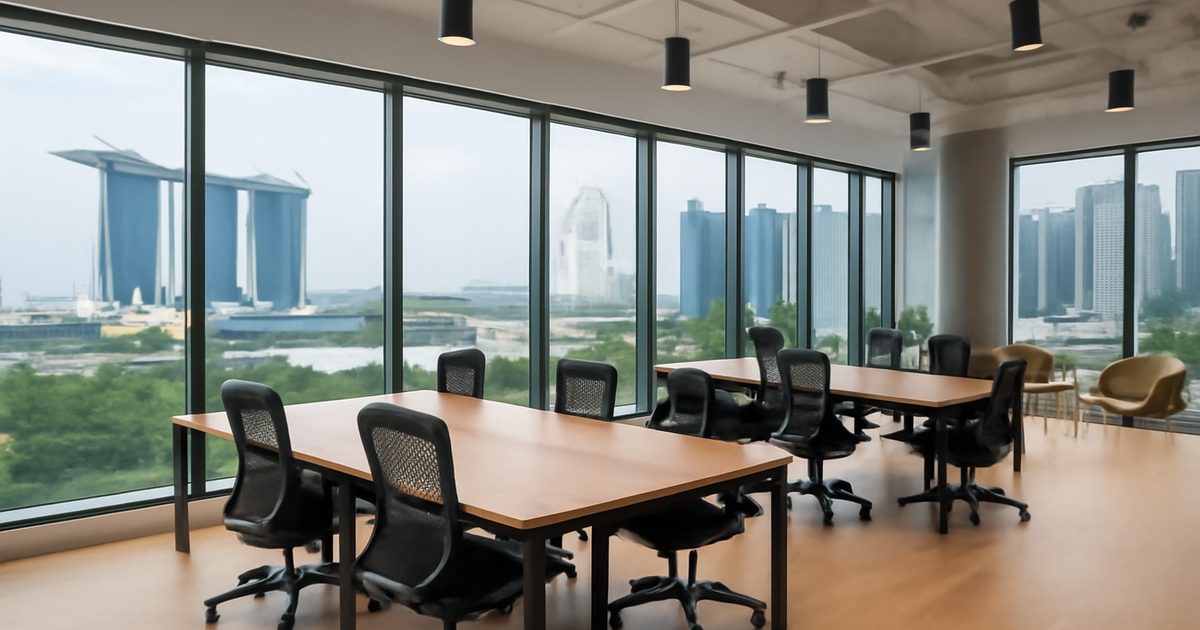
Choosing a coworking space singapore is less about chasing the trendiest fit-out and more about matching the room to how you actually work. This guide is for freelancers, remote employees and small teams weighing up whether a flexible desk, a dedicated seat or a private office makes the most sense, and what to scrutinise before you sign.
We have kept the advice qualitative, because rates and promotions shift constantly across operators. The goal is to help you compare like with like, understand what drives the price, and avoid committing to a plan that looks good on a tour but grates after a fortnight.
Hot desk, dedicated desk or private office
The three core membership types suit very different needs, and getting this right is the single biggest decision.
- Hot desk. You sit wherever is free on the day. It is the cheapest option and ideal for solo workers who come in a few times a week and do not need to leave anything behind.
- Dedicated desk. A fixed seat that is yours alone, so you can leave a monitor and personal items. It suits people who come in most days and want consistency without a full office.
- Private office. A lockable room for a small team, offering quiet, security and the option to brand the space. It is the most expensive tier but the only one that delivers genuine privacy for calls and confidential work.
If you are unsure, many operators let you start on a flexible plan and upgrade later. That is usually wiser than locking into a private office before you know your real attendance pattern.
Location: CBD versus the city fringe
Where a space sits affects both cost and convenience more than almost anything else.
Central business district
Spaces in and around the CBD and Marina Bay carry a premium but put you next to clients, MRT interchanges and after-work options. They suit client-facing roles and anyone who values address prestige for meetings.
City fringe and heartland
Spaces in areas such as the central-east shophouse belt, the west, or near regional centres tend to be more affordable and quieter, with easier parking. If you rarely host clients and want to shorten your own commute, a fringe location often delivers better value. Our guide to the central region is a useful reference when you are mapping options against where you live.
Amenities and community
Beyond the desk, the day-to-day experience comes down to the practical extras. Reliable, fast internet is non-negotiable, so test it during your visit rather than taking the brochure’s word. Meeting-room credits matter if you host calls or clients, and the better operators are transparent about how many hours your plan includes and what extra rooms cost.
Think about phone booths for private calls, printing, pantry quality, and whether the air-conditioning runs at sensible hours. Community is harder to measure but real: some spaces run events, member introductions and partner perks that genuinely help small businesses, while others are simply desks for rent. Decide honestly whether networking matters to you, because you will pay for it either way.
Contract flexibility and pricing
Pricing scales with privacy and location. Hot desks sit at the bottom, dedicated desks in the middle, and private offices at the top, rising sharply for prime addresses. Day passes and short bundles exist for occasional users, while monthly memberships reward regular attendance.
Read the contract terms as closely as the price. Check the notice period to leave, whether deposits are refundable, and what happens if you need to scale your team up or down. The most flexible plans let you change tier or pause with reasonable notice, which is worth a small premium for a young business whose headcount is still moving. Treat any figures you encounter as a guide, not a quote, and always confirm what is bundled versus billed separately.
Red flags to avoid
A few warning signs separate a workable space from a regretted one. Be wary of long lock-ins pitched as discounts, especially before you have spent a full week on site. Vague answers about meeting-room costs, printing or after-hours access often mean surprises on the invoice. Overcrowding is another flag, so visit during peak hours rather than a quiet tour slot to see whether you can actually find a seat. Finally, sluggish or congested internet undermines the entire point of the space, so verify it yourself before you commit.
Using a Coworking Address as Your Business Base
For freelancers and young companies, a coworking space can double as more than a desk: it can serve as your business address. Many operators offer the option to use their premises as a registered or correspondence address, which keeps your home address off public records and lends a more established impression to clients and partners. If this matters to you, raise it early, because not every plan or location includes it and terms differ between operators.
A few practical points are worth clarifying before you rely on a space this way:
- Mail handling — whether post is received, sorted, and how you are notified or collect it.
- Registered office use — whether the address may be used for official registration, and any extra fee for that.
- Meeting facilities — whether you can host clients on site, and how room credits are billed.
- Continuity — what happens to your address if you change plans or the operator relocates.
It also helps to think about how the location reads on your letterhead. A central address can suit client-facing work, while a fringe space may be perfectly adequate if you rarely host visitors. To compare related providers and support services as you set up, browse the business consulting category on WhitePages.sg, then confirm the address arrangements directly with any space before you commit.
Related guides
- Professional Services in Singapore: The Complete Guide
- Buy vs Rent Property in Singapore
- New Launch vs Resale Condo in Singapore
- How to Start a Café in Singapore (2026)
- How to Apply for PR in Singapore (2026)
FAQ
How much does a coworking space in Singapore cost?
It varies widely by membership type and location. Hot desks are the most affordable, dedicated desks cost more, and private offices command the highest rates, particularly in the CBD. Day passes suit occasional users, while monthly plans reward regular attendance. Always confirm what is included before comparing headline prices.
What is the difference between a hot desk and a dedicated desk?
A hot desk means you take any free seat each day and leave nothing behind, which suits part-time use. A dedicated desk is a fixed seat reserved for you, so you can keep equipment on it and enjoy consistency, at a higher monthly cost.
Is a CBD coworking space worth the premium?
It depends on your work. If you host clients, value a prestigious address or rely on central MRT links, the premium can pay off. If you rarely meet clients and want a shorter commute or easier parking, a city-fringe or heartland space usually offers better value.
Can a small team rent a private office in a coworking space?
Yes. Most operators offer lockable private offices sized for small teams, giving you privacy for calls and the ability to brand the space. They cost more than shared desks but remove the noise and security trade-offs of an open floor.
How do I find coworking and business support options?
Browse the business consulting category on WhitePages.sg to compare providers and related services, then shortlist spaces by location, plan type and contract flexibility before booking a tour.
Can I use a coworking space address to register my business?
Many coworking spaces offer a business address or virtual office service that can be used for company registration with ACRA, often as an add-on plan. Check that the address is allowed for registration and whether mail handling is included. Confirm the terms in writing before using it on official documents.
Do coworking spaces in Singapore offer day passes?
Yes, many coworking spaces offer day passes or short-term passes, which let you try the space before committing to a monthly plan. Day passes usually include hot-desk access, Wi-Fi and basic amenities. Check whether meeting rooms, printing or coffee are included or charged separately. Weekend access may differ.
What amenities should a good coworking space have?
A good coworking space should have reliable Wi-Fi, comfortable seating, meeting rooms, quiet areas for calls, and convenient access by MRT. Other useful amenities include printing, lockers, mail handling and kitchen facilities. Visit at your usual working hours to check noise levels and how busy it gets.


