
Local Guide
Best CrossFit Gyms in Singapore (2026 Guide)
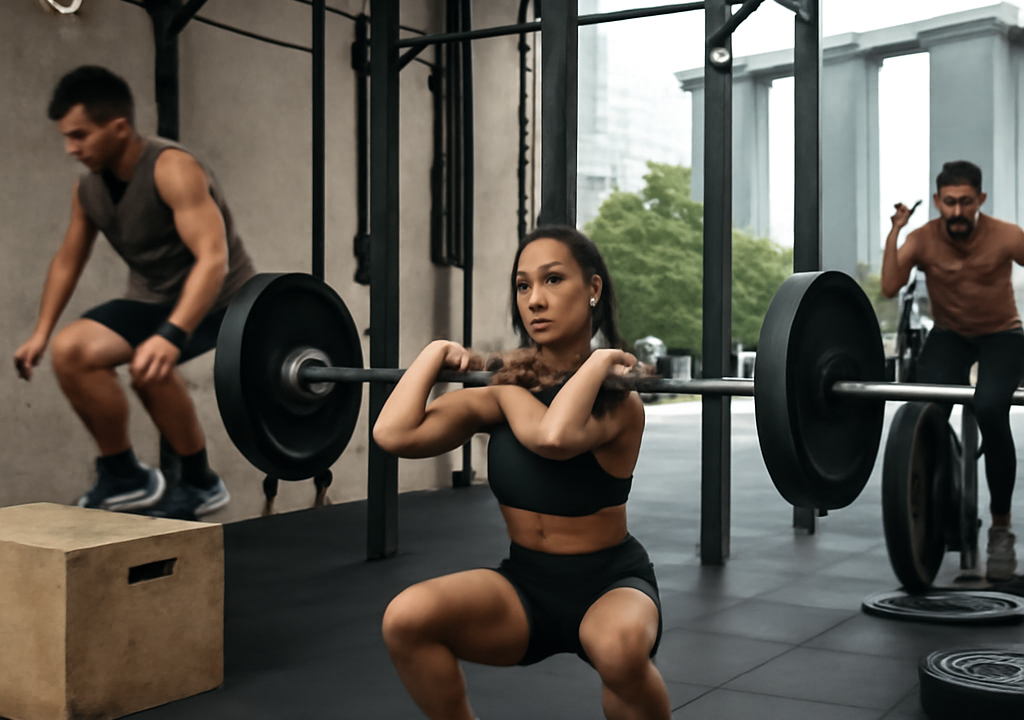
Finding the right CrossFit gym in Singapore is more about the coaching and the community than the equipment on the floor — almost every “box” has barbells, rigs and rowers, but the standard of teaching and the feel of the room vary enormously. This guide is an editorial “how to choose” walkthrough that explains box culture, the all-important on-ramp for beginners, how to judge coaching, and how area and price tier should factor into your decision. If you want a structured, scalable strength-and-conditioning programme with people to train alongside, this is how to pick well.
Note: we do not name specific boxes or brands here, since operators, schedules and pricing change frequently. Use the linked directory below to compare current options near you rather than relying on a single recommendation.
Understand box culture and how CrossFit works
CrossFit gyms are usually called “boxes”, and they run differently from a conventional commercial gym. Knowing how a box operates helps you judge whether one is well run.
Coached group classes
Instead of wandering between machines, members follow a daily programmed workout — the WOD, or “workout of the day” — in a coached class. A good box has a coach leading every session: warming the group up, teaching the day’s movements, scaling them for different abilities, and watching for safe technique. This structure is much of the appeal, but it means coaching quality is the single most important factor.
Community and atmosphere
Box culture is famously social, and the community is a genuine reason people stick with it. On a trial, notice whether members are welcoming, whether coaches know people by name, and whether the room feels inclusive across abilities rather than dominated by the fittest. A supportive atmosphere keeps you turning up; an intimidating one quietly drives beginners away.
On-ramp and foundations for beginners
This is the criterion that separates a responsible box from a risky one. CrossFit involves technical lifts — Olympic weightlifting, gymnastics movements, high-intensity conditioning — and dropping a newcomer straight into a packed class is a recipe for poor form and injury.
What a good on-ramp looks like
Reputable boxes run an introductory programme — often called on-ramp, foundations or elements — of a few sessions before you join regular classes. It teaches the core movements (squats, deadlifts, presses, the basics of the snatch and clean) at a manageable pace, so you arrive at group WODs able to move safely. Ask whether on-ramp is required, how many sessions it includes, and whether it costs extra.
Scaling and individual attention
Even after on-ramp, every workout should be scalable. A strong coach offers lighter loads, easier movement variations and modifications for injuries so that beginners, returning trainees and advanced members all work at the right intensity. If the only option is to do exactly what everyone else does, the coaching is not doing its job.
What to look for in a good CrossFit box
Beyond on-ramp and community, judge a box on a handful of concrete criteria.
- Coach credentials. Look for recognised CrossFit certifications and, ideally, coaches with weightlifting or strength-and-conditioning backgrounds. Good coaches actively correct technique during the workout, not just demonstrate at the start.
- Class size and ratio. A coach managing thirty athletes cannot watch everyone’s lifts. Smaller classes, or assistant coaches, mean safer, faster progress — especially for newer members.
- Equipment and space. Check for enough barbells, plates, rigs, rowers and floor space that classes are not waiting in queues or training in cramped conditions. Well-maintained gear signals a well-run box.
- Programming. Ask how workouts are programmed across the week. Sensible boxes balance strength, conditioning and skill work and build progressively, rather than chasing maximum soreness every day.
- A real trial class. Most boxes offer a free or low-cost trial. Use it to assess coaching, scaling, class size and atmosphere before committing.
Areas and how location shapes your choice
CrossFit lives or dies on consistency, so the box you can realistically reach three or four times a week is the right one. Singapore’s boxes follow a few patterns.
Central and CBD boxes serve the after-work crowd with packed evening and early-morning classes and a premium feel — convenient straight from the office, usually at the higher end of pricing. Boxes in the east and the heartlands tend to be more community-driven, with a broad mix of abilities and often friendlier rates. Industrial-unit boxes in the north and west frequently have the most floor space and the fullest equipment setups, trading a polished location for room to train. Weigh up commute, class timings that fit your routine, and the atmosphere you want.
Price tiers and what they include
CrossFit memberships in Singapore sit at the premium end of group fitness because you are paying for coaching, not just floor access. Confirm current rates directly, as packages change often.
Drop-in and trial pricing
Single drop-ins are useful when travelling or testing a box and typically sit in the lower-to-mid tens of SGD per session, with trials often free or discounted. Flexible, but the most expensive way to train regularly.
Memberships and class packs
Most members choose a monthly unlimited or capped membership, which lowers the effective per-class cost considerably. Premium central boxes sit at the top of the range; heartland and industrial boxes are often more affordable. Check whether on-ramp is bundled or charged separately, the lock-in period, and any joining fees before committing.
What is included
Clarify whether on-ramp, open-gym access, specialty classes (weightlifting, gymnastics) and personal training are included or extra. Two boxes at the same monthly price can differ significantly once you add the parts you will actually use.
Red flags to avoid
A few warning signs separate a safe, well-coached box from one to skip.
- No on-ramp or foundations. A box that lets beginners jump straight into heavy, technical WODs is gambling with your safety.
- Coaches who do not correct form. If nobody is watching your lifts during the workout, the coaching value is missing.
- No scaling offered. One-size-fits-all workouts ignore beginners and the injured.
- Overcrowded classes and worn gear. Queues for barbells and neglected equipment point to a box that has outgrown its space or cut corners.
When you are ready to compare specific options, browse the gyms category on WhitePages.sg, and widen your search across areas through the main business directory to find a CrossFit box that fits your goals, schedule and budget.
Related guides
- Fitness & Sports in Singapore: The Complete Guide
- Best Gyms in Singapore: How to Choose
- Best Climbing Gyms in Singapore (2026 Guide)
- CrossFit vs Regular Gym in Singapore: How to Choose
- Best Treadmills in Singapore (2026)
Frequently asked questions
How much does CrossFit cost in Singapore?
CrossFit sits at the premium end of group fitness because you pay for coaching. Single drop-ins usually sit in the lower-to-mid tens of SGD, while monthly memberships lower the per-class cost. Premium central boxes charge more than heartland or industrial-unit ones, and on-ramp may cost extra. Always check current rates directly.
Can a beginner start CrossFit safely?
Yes, provided you start with a proper on-ramp or foundations programme. A few introductory sessions teach the core lifts and movements at a manageable pace before you join regular classes. Choose a box that requires on-ramp and offers scaling, so beginners train safely alongside more experienced members.
What is an on-ramp or foundations programme?
It is a short introductory course — usually a few coached sessions — that teaches CrossFit’s core movements, including squats, deadlifts, presses and the basics of Olympic lifts, before you enter group WODs. It is the clearest sign a box takes beginner safety seriously. Ask whether it is required and whether it is bundled into membership.
Do I need to be fit before joining a CrossFit box?
No. Good boxes scale every workout, offering lighter loads and easier movement variations so people of any fitness level can take part. The point of CrossFit is to build fitness progressively. What matters more is finding a box with attentive coaching and a welcoming community.
How do I judge whether a CrossFit box is well run?
Use the trial class. Look for certified coaches who correct technique during the workout, a required on-ramp for beginners, sensible class sizes, scalable programming, well-maintained equipment, and a welcoming community. Be wary of boxes with no on-ramp, no scaling, overcrowded classes or coaches who never watch your lifts.
Is CrossFit safe, or does it cause injuries?
CrossFit can be safe when coached well, with proper technique, sensible scaling and gradual progression. Injuries tend to happen when people lift too heavy too soon or prioritise speed over form. Choose a box where coaches watch movement closely and adjust workouts to your level. If you have an existing injury or medical condition, check with a doctor first.
How often should a beginner do CrossFit each week?
Most beginners do well starting with two to three CrossFit classes a week, allowing rest days for recovery. As fitness and technique improve, some members train more often. Listen to your body, sleep well and stay hydrated in Singapore’s heat. A good coach will help you balance intensity across the week rather than going all-out every session.
Does CrossFit help with weight loss?
CrossFit can support weight loss because it combines strength training with high-intensity conditioning, which builds muscle and burns energy. Results depend heavily on consistency, sleep and diet, since exercise alone rarely drives major weight change. Many boxes offer nutrition guidance or challenges, but seek a qualified dietitian if you need a personalised eating plan.


