
Local Guide
How to Choose a Football Academy in Singapore (2026)
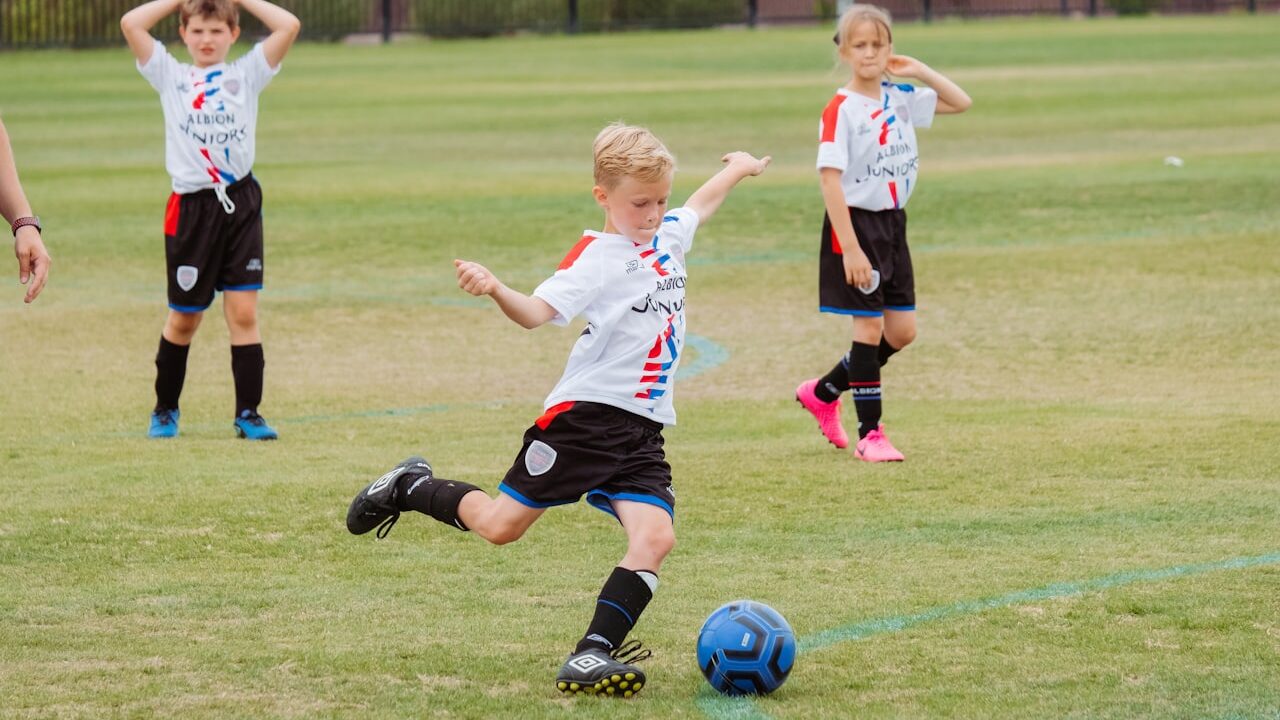
Picking the right football academy in Singapore for your child is less about chasing the loudest name and more about matching the programme to your child’s age, ability and ambition. The market ranges from relaxed weekend kickabouts at the void deck to structured pathways aimed at competitive league football. This guide is an editorial “how to choose” walkthrough for parents (and adult beginners) — what to look for, the questions to ask, and the rough costs to expect — so you can judge any academy on its merits rather than its marketing.
For specific providers near you, browse the academies and coaches listed in our sports coaching category, then use the criteria below to shortlist.
Match the programme to your child’s age and level
Good academies group children by both age and ability, not age alone. Before comparing brands, work out which stage your child is at.
Tots and pre-school (roughly 3–6)
At this age the goal is coordination, balance and fun — not tactics. Look for short sessions (around 45 minutes), small groups, lots of ball contact per child, and coaches who keep things playful. Parents are often encouraged to stay on the sidelines or join in for the youngest groups.
Primary-school foundation (roughly 7–12)
This is where real technical foundations are built: dribbling, passing, first touch and basic game understanding. Sessions typically run 60–90 minutes, once or twice a week, with small-sided games to maximise touches. Many academies introduce friendly fixtures here.
Youth and teens (roughly 13–18)
Programmes split into recreational and competitive streams. Competitive players may train several times a week, play in organised leagues, and follow position-specific work. Ask how the academy handles trials, team selection and the step up to school or club football.
What to look for in a good academy
Once you know the level, judge each academy on these concrete criteria.
- Coach qualifications. Reputable coaches hold recognised badges — AFC licences (the Asian Football Confederation pathway, e.g. AFC “C”, “B”, “A”) or European equivalents such as UEFA “B” and UEFA “A”. A licence is not everything, but it signals structured training and a duty of care. Ask which coach actually takes your child’s group, not just who fronts the academy.
- Coach-to-player ratio. Smaller groups mean more individual attention and more ball contact. For young children, a ratio in the region of one coach to eight to twelve players is reasonable; crowded sessions of twenty-plus per coach dilute coaching.
- Curriculum and progression. A good academy can explain how a child moves from one stage to the next, and what is taught at each level — not just “we play games”.
- Safety and welfare. Check first-aid provision, hydration breaks (important in Singapore’s heat), and whether coaches are screened to work with children.
- Competitive vs recreational fit. Be honest about what your child wants. A casual player pushed into an elite squad may burn out; an ambitious player parked in a social class may stagnate.
Always take a trial before committing to a term. One good session tells you more about the coaching and atmosphere than any brochure.
Facilities and location in Singapore
Where and on what surface your child trains matters more than parents expect.
Surface and pitch type
Sessions may run on artificial turf, natural grass, futsal courts or sheltered multi-purpose courts. Sheltered or indoor venues are a real plus given Singapore’s rain and afternoon heat — fewer cancellations and safer conditions. Public options through ActiveSG, school fields and community pitches are widely used; ask whether sessions are covered or open-air.
Location and travel
A pitch near an MRT station or within your neighbourhood makes a once- or twice-weekly commitment sustainable. Factor in travel time across a school week before signing up to a venue on the other side of the island.
Typical pricing in Singapore
Football coaching is usually billed per term (often tied to a school term of roughly 10–12 weeks) or per session, and costs vary widely by group size, coach experience and facility.
- Group recreational sessions tend to sit at the lower end per session, with the saving growing if you commit to a full term up front.
- Smaller-group or competitive-squad training commands a higher per-session rate, reflecting better ratios and more qualified coaches.
- Private or semi-private 1-to-1 coaching is the most expensive tier and is best treated as a top-up for specific skills rather than a child’s only football.
- Extras such as kit, registration fees, league entry and tournament travel can add up — ask for the all-in cost.
Treat any single figure with caution: rates move year to year and between venues. Ask each academy for its current per-term and per-session pricing in writing, and confirm what is included before you compare.
Red flags to avoid
Most academies are well run, but a few warning signs are worth heeding.
- No trial offered, or pressure to pay for a full year before you have seen a session.
- Vague answers on coach qualifications or who will actually be on the pitch each week.
- Overcrowded sessions where children spend more time queuing than playing.
- No clear safety or wet-weather policy, especially for outdoor venues.
- Grand promises of “scouting” or “pro pathways” with nothing concrete behind them.
If you are starting from scratch, browse vetted coaches and academies across the island in our Singapore business directory and shortlist two or three to trial.
Related guides
- Fitness & Sports in Singapore: The Complete Guide
- Best Basketball Academies in Singapore (2026 Guide)
- Best Sports Coaching for Kids in Singapore
- Best Golf Lessons in Singapore (2026 Guide)
- Best Gymnastics Classes in Singapore (2026)
Frequently asked questions
What age can my child start football in Singapore?
Many academies run “tots” or pre-school groups from around three to four years old, focused on movement, coordination and fun rather than competitive play. Structured technical coaching usually begins around six to seven. There is no single right age — the best starting point is whenever your child shows interest and enjoys being on the pitch.
What coaching qualifications should a football coach have?
Look for recognised badges such as the AFC licence pathway (AFC “C”, “B” or “A”) or European UEFA equivalents (UEFA “B”, “A”). These indicate formal training in coaching, child development and safety. Confirm which licensed coach actually leads your child’s sessions, as some academies are fronted by a senior name but staffed by assistants.
What is the difference between recreational and competitive football?
Recreational programmes prioritise enjoyment, fitness and basic skills, usually with one session a week and friendly games. Competitive streams involve more frequent training, organised league fixtures, team selection and position-specific work. Choose based on your child’s enthusiasm and goals rather than the academy’s prestige.
How much does a football academy cost in Singapore?
Fees are typically charged per term or per session and vary with group size, coach experience and facility. Group recreational sessions sit at the lower end, smaller competitive squads cost more, and private 1-to-1 coaching is the priciest tier. Extras like kit, registration and tournament fees add up, so ask for an all-in figure and check current rates before committing.
Should I choose an indoor or outdoor venue?
Both work, but sheltered or indoor venues are a genuine advantage in Singapore’s heat and frequent rain, with fewer cancellations and safer conditions. Outdoor grass and turf pitches are fine provided the academy has clear hydration breaks and a sensible wet-weather policy. Convenience of location, near home or an MRT station, also helps you keep the commitment going.


