
Local Guide
Japanese Hair Salons in Singapore: How to Choose
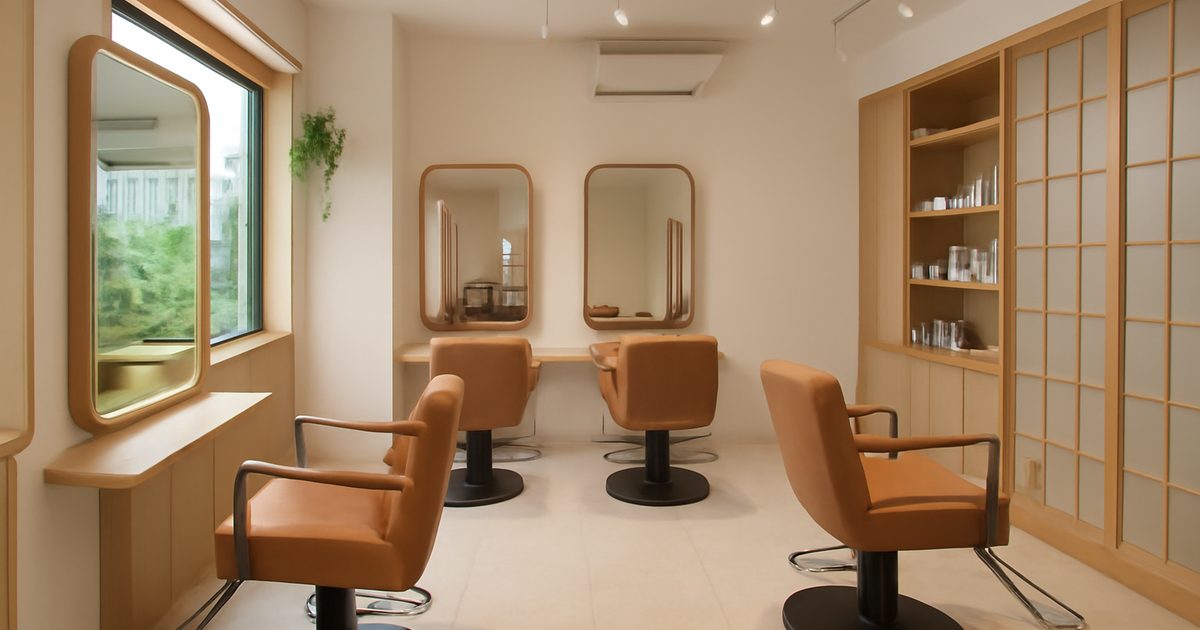
Japanese hair salons have become a fixture across Singapore, from Orchard to the heartland malls, and they attract a loyal following for good reason. If you are weighing up a Japanese hair salon in Singapore for your next cut, perm or treatment, this guide explains what genuinely sets these salons apart, how their signature services work, and how pricing is usually structured so you can book with confidence rather than guesswork.
What sets Japanese salons apart
The label “Japanese salon” can mean a few different things in Singapore: a salon run by Japanese-trained stylists, one using predominantly Japanese products and equipment, or a local outfit that has adopted Japanese techniques and service standards. The best of them share a recognisable approach to the craft.
- Precision cutting. Japanese training tends to emphasise structured, dry-cut detailing and meticulous sectioning. The result is a cut that grows out cleanly and holds its shape for longer between visits.
- Gentle chemistry. Many Japanese product lines lean towards lower-ammonia colour and acidic, lower-pH perm and straightening systems designed to reduce damage. For fine or previously treated hair, that matters.
- Consultation as standard. A thorough pre-service consultation, often with attention to hair density, growth pattern and lifestyle, is part of the culture rather than an upsell.
- Service detail. Expect careful attention to the scalp wash, neck support and finishing. The overall experience is unhurried and considered.
None of this is magic, and a skilled stylist of any background can deliver excellent work. What you are really paying for is a consistent system and a stylist who has been drilled in it.
Soft and digital perms versus treatments
Two of the most requested services at Japanese salons are perms and treatments, and they are not interchangeable. Knowing the difference helps you brief your stylist properly.
Perms add or define curl
A cold or soft perm uses chemical solution at room temperature to create natural, looser waves, and it suits those wanting a relaxed, lived-in texture. A digital (hot) perm uses heated rods to set a more defined, springier curl that shows up best when hair is dried with some scrunching. Digital perms generally hold longer and read more clearly on thick Asian hair, but they take more chair time. The reverse service, Japanese straightening or rebonding, chemically smooths frizz and curl into a sleek finish, which is popular for managing humidity-driven puffiness.
Treatments repair and condition
Treatments are conditioning services, not styling changes. They range from quick in-wash masks to multi-step protein and bond-building systems that target dryness, porosity or chemical damage. If your hair is in poor condition, a reputable salon will often recommend a treatment before, or instead of, an aggressive chemical service.
Stylist seniority and pricing tiers
Most Japanese salons in Singapore price by stylist level, so the same service can carry several price points depending on who is in the chair. Common tiers run from junior stylist, to senior or top stylist, up to a director or art director. More senior stylists charge more because of experience, speed and the complexity of work they take on.
When you book, it is worth asking which tier a quoted price reflects, and whether assessments, washes or basic styling are included. For a straightforward cut, a mid-level stylist is often more than capable. For a major colour correction, a perm on damaged hair, or a precise short cut, paying up for seniority usually pays off.
Typical pricing in Singapore
Prices vary widely with salon location, stylist tier, hair length and product range, so treat the following as broad SGD ranges rather than quotes. Always confirm the final figure at consultation, as long or thick hair frequently attracts a surcharge.
| Service | Typical SGD range |
|---|---|
| Cut and basic styling | $40–$120 |
| Full colour | $90–$250+ |
| Soft or digital perm | $120–$350+ |
| Japanese straightening / rebonding | $150–$400+ |
| Hair treatment (single session) | $30–$150 |
| Head spa add-on | $40–$150 |
Several factors push pricing up the range: the seniority of your stylist, the volume of product needed for long or dense hair, premium or imported product lines, central locations, and the added time that hot perms and straightening demand. Bundled packages, such as a colour with treatment, can be better value than booking each service separately.
Head-spa add-ons and the scalp focus
A head spa is a scalp-focused treatment that typically combines a deep cleanse, massage and sometimes scalp analysis. It is one of the more distinctive offerings at Japanese salons, marketed both for relaxation and for scalp health ahead of colour or perm services. A head spa will not transform a bad cut, but as an add-on it can be a worthwhile reset for an oily or flaky scalp, particularly in Singapore’s climate. If you are curious, our companion guide to the best Japanese head spa in Singapore goes deeper into what to expect.
Suitability for Asian hair and humidity
Singapore’s heat and humidity are a real test for any hairstyle. Thick, coarse or wavy Asian hair tends to swell and frizz once the air gets sticky, which is exactly why straightening, anti-frizz treatments and well-structured cuts are in such demand here.
Japanese salons are generally well set up for this. Their product systems and technical training were developed largely around Asian hair textures, so they are comfortable handling density, resistant cuticles and the balance between smoothing frizz and keeping movement. If your main complaint is daily frizz, discuss whether a softening treatment, a straightening service, or simply a smarter cut will serve you best before committing to the most intensive option.
How to choose well
Beyond the brand label, judge a salon on the fundamentals: a stylist who listens and sets realistic expectations at consultation, transparent tiered pricing confirmed before any chemical work begins, honest advice about what your hair can take, and clear aftercare guidance. Browse listings and reviews on the hair salons category on WhitePages.sg, narrow down by an area you can reach easily such as the central region, then check opening hours and booking options through the wider business directory. For a broader shortlist that is not limited to Japanese concepts, see our roundup of the best hair salons in Singapore.
Related guides
- Beauty & Wellness in Singapore: The Complete Guide
- Hair Salon Prices in Singapore: A Price Guide
- Hair Colouring Salons in Singapore: How to Choose
- Hair Rebonding Cost in Singapore (2026)
- Best Hair Extensions in Singapore: How to Choose
Frequently asked questions
Are Japanese hair salons in Singapore worth the higher price?
If you value precision cutting, gentler chemical systems and a thorough consultation, the premium can be justified, especially for perms, straightening or colour where technique matters most. For a simple trim, a capable mid-tier stylist anywhere can do the job for less.
What is the difference between a soft perm and a digital perm?
A soft (cold) perm uses room-temperature solution for natural, looser waves, while a digital (hot) perm uses heated rods for a more defined, longer-lasting curl. Digital perms suit thick Asian hair well but take more time and usually cost more.
How often should I get a hair treatment?
It depends on hair condition and how much chemical processing you do. Many people benefit from a treatment every four to eight weeks, or paired with each colour or perm service. Your stylist can advise based on your hair’s porosity and damage.
Will straightening or rebonding stop my hair frizzing in the humidity?
Japanese straightening and rebonding significantly reduce frizz and curl, which helps in humid weather, but the effect grows out as new hair comes in. Lighter anti-frizz treatments are a gentler, shorter-lasting alternative worth discussing first.
Do I need to book the most senior stylist?
Not always. Senior stylists are worth it for complex work like colour correction or precise short cuts, but a mid-level stylist is often ideal for everyday cuts and basic services. Ask which tier a quoted price reflects when you book.


