
Local Guide
How to Choose Kids’ Gymnastics in Singapore (2026)
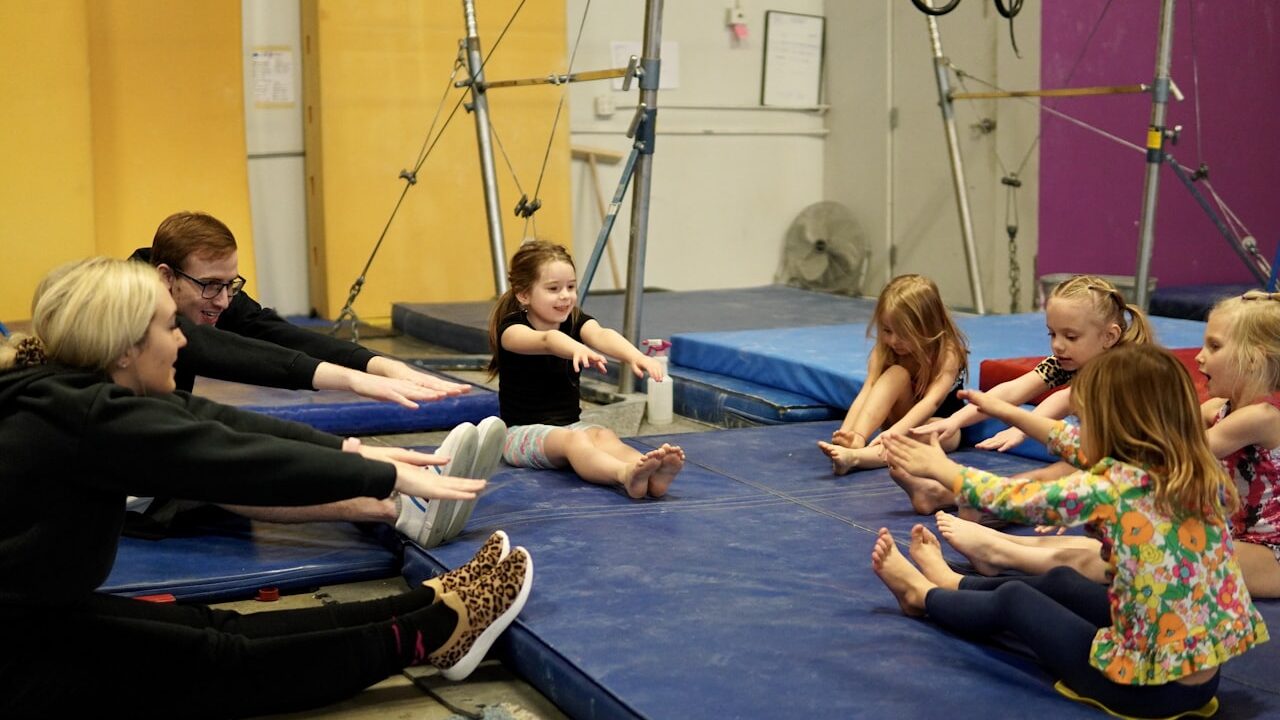
Choosing kids’ gymnastics in Singapore means picking the right balance of fun, safety and progression for your child’s age and temperament. Programmes range from playful toddler-and-parent sessions to serious competitive squads, and the right choice depends far more on your child than on a gym’s reputation. This editorial “how to choose” guide for parents explains the different class types, the safety and coaching standards that matter most, how trials work, and the rough costs — so you can shortlist with confidence rather than guesswork.
For gyms and coaches near you, browse our sports coaching category and apply the criteria below.
Understand the types of class
Gymnastics is an umbrella term covering several formats. Knowing which suits your child prevents a lot of wasted fees.
Toddler and pre-school (roughly 18 months–4 years)
These classes focus on movement, balance, climbing and confidence, usually with a parent on the mat for the youngest ones. Sessions are short and play-based — the aim is body awareness and fun, not technique. Soft equipment and a safe, padded environment are essential at this stage.
Recreational gymnastics (roughly 4–12)
The mainstream choice for most families. Children learn foundational skills — rolls, cartwheels, handstands, basic bar and beam work — in a structured but non-competitive setting. It builds strength, flexibility and coordination that carry over to every other sport. Most children stay recreational throughout, and that is perfectly fine.
Competitive and squad gymnastics
For children who show aptitude and genuine interest, competitive streams involve more frequent, intensive training and progression toward gradings or competitions. This is a significant time and cost commitment, and selection is usually invitation-based. Don’t rush a child into it; let the interest come from them.
Safety and coaching: what to look for
Gymnastics carries real injury risk, so safety standards and coaching quality matter more here than in many sports.
- Coach-to-child ratio. This is the single most important safety factor. Younger and less experienced groups need tighter supervision — a low ratio means each child is properly spotted on apparatus. Crowded classes where one coach supervises a large group are a concern.
- Coach qualifications and spotting. Ask whether coaches are trained in gymnastics coaching and proper spotting technique. Good coaches physically support children through new skills until they are ready to perform them safely alone.
- Equipment and matting. Apparatus should be age-appropriate and well maintained, with adequate crash mats and padded landing areas. The environment for toddlers should be soft and enclosed.
- Progression and structure. Skills should be taught in a sensible order, with children only advancing when they have the strength and control. Beware gyms pushing advanced skills too early.
- First aid and supervision. Check that staff are first-aid ready and that children are supervised throughout, including warm-up and cool-down.
The coach-to-child ratio and proper spotting are the clearest signals of a safe gym. Always take a trial and watch how closely children are supervised on the apparatus.
Trials, timings and venue
Practical fit keeps the commitment going week after week.
Take a trial first
A trial class lets you see the coaching, the ratio and your child’s reaction before paying for a term. Watch whether your child is engaged and supported, and whether the coach communicates warmly with young children.
Timing and location
Gymnastics is usually a weekly commitment, so a venue near home or an MRT station, with class times that fit around school and naps for little ones, makes a real difference. Most gyms are indoor and air-conditioned or sheltered, which is ideal in Singapore’s climate.
Typical pricing in Singapore
Kids’ gymnastics is generally billed per term (often around 10–12 weeks) or by monthly package, with the rate depending on age group, class length and how competitive the programme is.
- Toddler and recreational classes sit at the more accessible end, charged per term or month for a weekly session.
- Longer or more advanced recreational classes cost more, reflecting smaller groups and more apparatus time.
- Competitive squad training is the highest tier, with multiple sessions a week plus possible competition, grading and kit fees.
- Extras such as registration, leotards or uniform, and assessment fees can add to the headline price — ask for the all-in cost.
Treat any single quoted price as a guide only: rates differ by gym and change over time. Ask each provider for its current per-term or monthly fee in writing, and confirm what is included before you compare.
Red flags to avoid
Most gyms run safe, friendly programmes, but a few signs warrant caution.
- High coach-to-child ratios where children are not properly spotted on apparatus.
- No trial offered, or pressure to commit to a long package sight unseen.
- Pushing advanced skills too early, before a child has the strength and control to perform them safely.
- Worn or poorly maintained equipment, or thin matting around landing areas.
- Vague answers on coach training or first-aid provision.
If you are starting out, browse vetted gyms and coaches across the island in our Singapore business directory and trial a couple before deciding.
Related guides
- Fitness & Sports in Singapore: The Complete Guide
- Best Sports Coaching for Kids in Singapore
- Best Gymnastics Classes in Singapore (2026)
- Best Gymnastics Classes in Singapore (2026 Guide)
- Best Golf Lessons in Singapore (2026 Guide)
Frequently asked questions
At what age can my child start gymnastics?
Many gyms run parent-and-child or toddler classes from around 18 months to two years, focused on movement, balance and confidence rather than technique. Independent recreational classes usually begin around three to four. There is no single right age — the best time to start is whenever your child enjoys moving, climbing and being on the mats.
Is gymnastics safe for young children?
It can be very safe when the gym maintains a low coach-to-child ratio, uses age-appropriate equipment with proper matting, and employs coaches trained in spotting. The ratio and supervision are the key signals to check. As with any physical activity there is some injury risk, which good coaching, sensible progression and proper warm-ups keep low.
What is the difference between recreational and competitive gymnastics?
Recreational gymnastics is non-competitive and focuses on fun, fitness and foundational skills in a structured weekly class — and most children stay here happily. Competitive or squad gymnastics involves more frequent, intensive training and progression toward gradings or competitions, usually by invitation. Let your child’s interest and aptitude guide any move into the competitive stream rather than rushing it.
How much does kids’ gymnastics cost in Singapore?
Fees are typically charged per term or by monthly package and vary with age group, class length and how competitive the programme is. Toddler and recreational classes are the most accessible, while competitive squads cost more with multiple weekly sessions plus possible grading, competition and kit fees. Ask for current rates and an all-in figure before committing.
Should I do a trial class first?
Yes — a trial is the best way to judge a gym. It lets you see the coach-to-child ratio, how closely children are spotted on apparatus, the condition of the equipment, and whether your child is engaged and comfortable. One trial session reveals more about a gym’s safety and warmth than any brochure, so do this before paying for a full term.


