
Local Guide
Koi Ponds in Singapore: How to Choose a Builder
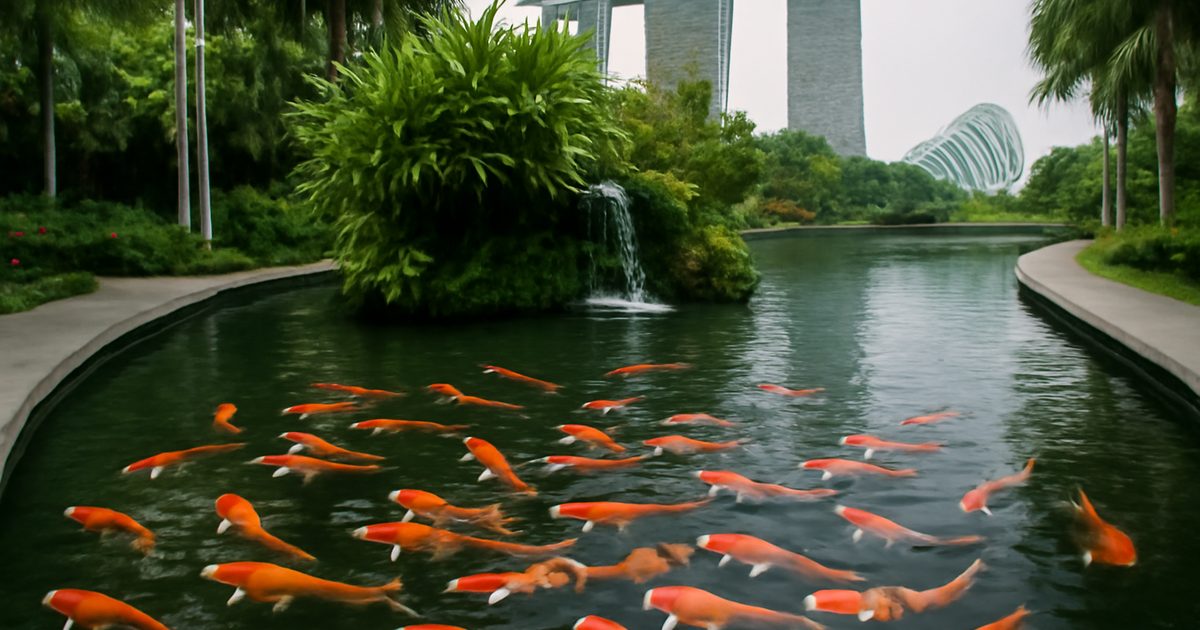
A well-built koi pond is a long-term living feature, not a one-off purchase, and choosing the right builder makes the difference between years of clear water and constant headaches. This guide is for landed-home owners, condo developers and businesses planning a koi pond Singapore’s climate can sustain, and it walks through design, filtration, landscaping and maintenance so you can ask the right questions. Our tropical heat, heavy rain and limited space all shape what works here, so we focus on the decisions that genuinely matter before you commit to a builder.
What to look for in a koi pond builder
Building a koi pond is part civil works, part filtration engineering and part living-system husbandry. A good builder is comfortable across all three, not just the pretty landscaping at the end.
Pond engineering and waterproofing
The structure has to hold water reliably for decades. Look for experience with reinforced concrete construction, proper waterproofing membranes, and bottom drains plumbed in at the build stage rather than retrofitted later. Ask to see ponds the builder constructed several years ago, not just freshly finished projects — longevity is the real test in our humid, high-rainfall climate.
Filtration and life-support design
Koi are large, heavy-waste fish, so filtration is the heart of the system. A capable builder will size mechanical and biological filtration to your stocking level, not to a generic template. They should be able to explain how their design handles solids, beneficial bacteria, and water turnover, and why they chose a particular filter type for your pond.
Aftercare and accountability
The best builders stay involved after handover. Ask whether they offer a workmanship warranty, water-quality guidance during the crucial first months while the biological filter matures, and a maintenance plan. A builder who disappears once the invoice is paid is a risk with a living system.
Filtration, aeration and water quality
If you remember one thing, make it this: you are not really keeping koi, you are keeping water, and the koi live in it. Healthy koi need clean, oxygen-rich, biologically balanced water year-round.
Mechanical filtration removes solid waste — fish droppings, uneaten food and debris — before it breaks down and fouls the water. Common approaches include settlement chambers, sieve or drum filters, and brush or matting media. In Singapore, where ponds run warm all year and fish stay active, solids accumulate quickly, so generous mechanical capacity pays off.
Biological filtration uses beneficial bacteria to convert toxic ammonia and nitrite into far less harmful nitrate. This bacterial colony needs surface area and steady oxygen, and it takes several weeks to establish, which is why patience matters when a pond is new.
Aeration is non-negotiable in our heat. Warm water holds less dissolved oxygen, and a heavily stocked koi pond can run short, especially at night or during warm spells. Air pumps, waterfalls and well-designed returns all help keep oxygen up. A builder who treats aeration as an afterthought is one to avoid.
Good water also depends on sensible stocking. Overcrowding is the single most common cause of trouble, so design the pond for the koi you want at full size, not as juveniles.
Landscaping, siting and design
A koi pond should suit both the fish and your space. Koi grow large and live long, so depth and volume matter — a cramped, shallow pond stresses fish and swings in temperature far more than a deeper one. Builders generally favour a reasonable minimum depth to give koi room and to keep water conditions stable.
Siting deserves thought. Partial shade helps control algae and temperature in our climate, while keeping the pond away from heavy leaf litter reduces the organic load on your filter. Consider viewing angles from the house, safety around the water’s edge, and access for maintenance. Edging, rockwork, planting and lighting turn a functional pond into a feature, but they should never compromise the filtration or the fish’s room to swim.
Some owners ask their builder to factor in feng shui — placement, water flow direction and the number of fish. There is nothing wrong with this if it matters to you; a flexible builder can usually accommodate such preferences without compromising the engineering, since most concern siting and aesthetics rather than the life-support system. Keep the fish’s welfare and the filtration logic as the non-negotiables.
Maintenance: what owning a koi pond actually involves
A koi pond is a rewarding hobby but an ongoing commitment. Routine care includes feeding appropriately, cleaning mechanical filters, topping up and partially changing water, and regularly testing parameters such as ammonia, nitrite, nitrate and pH. Seasonal heavy rain can dilute and disturb water chemistry, so monitoring after storms is wise here.
Many owners handle day-to-day care themselves and engage a maintenance service for periodic deep cleans, filter servicing and health checks. If you are time-poor, a serviced maintenance contract is worth budgeting for from the outset. Whoever does the work, early detection of cloudy water, gasping fish or sudden behaviour changes is what keeps a collection healthy. For fish health concerns, an aquatic or avian-and-exotics veterinarian with fish experience is the right port of call rather than guesswork.
Typical koi pond pricing in Singapore
Koi pond costs vary widely because no two ponds are alike, so think in tiers rather than fixed figures. A modest, small garden pond with basic filtration sits at the accessible end. A mid-sized landed-home pond with proper bottom drains, multi-stage filtration, aeration and landscaping occupies a substantial middle band. Large, show-quality ponds with advanced filtration, extensive rockwork, lighting and automation reach the premium end and can be a significant home-improvement investment.
On top of construction, budget for ongoing running costs — electricity for pumps and aeration runs continuously, plus food, water testing kits, media replacement and any maintenance contract. The koi themselves range from inexpensive to highly collectible depending on variety, pattern and lineage. These are indicative ranges only; get itemised quotes from a few builders that separate civil works, filtration and landscaping so you can compare like for like.
Red flags to avoid
Be wary of a quote that is dramatically cheaper than the rest — it often means skimped waterproofing, undersized filtration or no bottom drain, all of which are expensive to fix later. Treat vague filtration explanations as a warning sign; a builder who cannot tell you how their system handles ammonia and solids may be building ponds by rote. Avoid anyone who pushes heavy stocking to make the pond “look full” on day one, ignores aeration, or offers no aftercare while the biological filter matures. Finally, insist on seeing older completed ponds, not just photos of the day of handover.
When you are ready to compare providers, browse specialists on our aquascaping category and explore the wider WhitePages.sg directory to find builders and maintenance services near you.
Related guides
- Pet Services in Singapore: The Complete Guide
- Best Aquascaping Services in Singapore (2026)
- Best Aquascaping Services in Singapore (2026 Guide)
- Best Terrarium Workshops & Shops in Singapore (2026)
Frequently asked questions
How deep should a koi pond be in Singapore?
Koi grow large and live long, so depth and volume matter more than surface area. A deeper pond keeps water temperature and chemistry more stable in our tropical heat and gives fish room to swim and shelter. Most builders favour a reasonable minimum depth rather than a shallow ornamental pool. Discuss your target fish size and stocking level with the builder, since these drive the volume your pond needs.
How much does it cost to build a koi pond in Singapore?
Costs depend heavily on size, filtration and landscaping. A small basic garden pond sits at the accessible end, a mid-sized landed-home pond with multi-stage filtration and aeration occupies a substantial middle band, and large show-quality ponds reach a premium investment level. Always factor in ongoing electricity, food, water testing and maintenance. Get itemised quotes that separate civil works, filtration and landscaping to compare fairly.
What filtration does a koi pond need?
A koi pond needs both mechanical filtration to remove solid waste and biological filtration where beneficial bacteria convert toxic ammonia and nitrite into safer nitrate. Strong aeration is essential too, because warm Singapore water holds less oxygen and koi are heavy waste producers. Filtration should be sized to your stocking level, not a generic template, so ask the builder to explain their design.
How much maintenance does a koi pond require?
Expect regular work: cleaning mechanical filters, partial water changes, topping up, appropriate feeding, and routine testing of ammonia, nitrite, nitrate and pH. Heavy tropical rain can disturb water chemistry, so check parameters after storms. Many owners handle daily care themselves and hire a maintenance service for periodic deep cleans and health checks, which is worth budgeting for if you are time-poor.
Where should I place a koi pond at home?
Choose a spot with partial shade to help control algae and temperature, away from heavy leaf litter that loads the filter, with good viewing angles and safe, accessible edges for maintenance. If feng shui matters to you, a flexible builder can usually accommodate placement and flow preferences without compromising the filtration or the fish’s welfare, which should remain the non-negotiable priorities.


