
Local Guide
Best Logo Design Services in Singapore (2026)
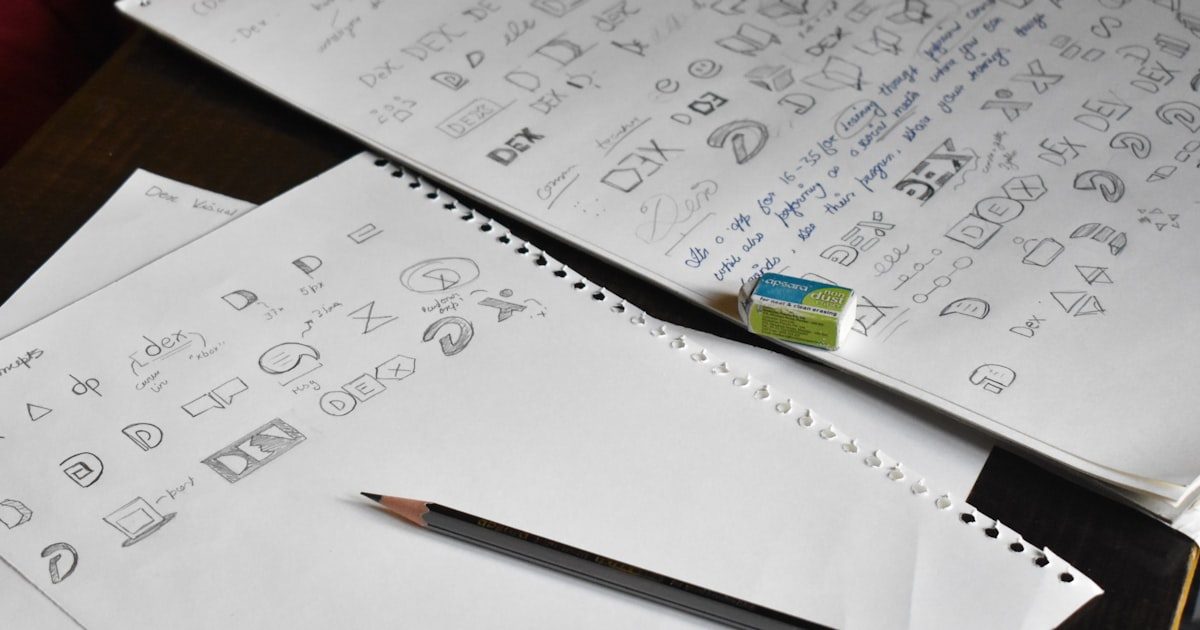
A logo is the face of a brand — the mark on your shopfront, your invoices, your app icon and every ad you ever run. This guide to logo design in Singapore is written for founders, business owners and marketers commissioning a new identity or a rebrand. It covers freelancer versus agency, how concepts and revisions work, brand guidelines, the file formats and ownership you must secure, the pricing tiers, and the red flags worth avoiding.
We are independent and never sponsored. Below is how we think about choosing a logo designer, the questions to confirm before you brief, and how to make sure you walk away owning a mark that works everywhere — not just a nice picture you can’t fully use.
Freelancer vs agency vs marketplace
Where you commission a logo shapes the price, the process and what you get. Match the route to your stage and budget.
Freelance designer
An independent designer is often the sweet spot for small businesses and startups — more affordable than an agency, with direct contact and a personal eye. Quality varies widely, so judge each one on their portfolio rather than the label. Confirm they deliver source files and a basic style guide, not just a flat image.
Design agency or studio
A studio brings a team, a structured process and strategic thinking — useful for a full brand identity, a complex rebrand, or when the logo sits inside a wider system of collateral. It costs more, but you get research, multiple specialists and accountability. Best when the brand is central to your business and the budget supports it.
Online marketplaces and contests
Crowdsourced platforms and template generators are the cheapest route and can suit a tight budget or a placeholder mark. The trade-offs are little strategy, generic or templated results, and sometimes murky ownership and originality. Read the terms carefully and treat these as budget options, not brand-defining work.
Concepts, revisions and the design process
Knowing how a project runs helps you brief well and judge whether a quote is fair. Most logo projects move through clear stages.
- Brief and discovery: your business, audience, competitors, and the feel you’re after. A designer who starts sketching without this is guessing.
- Initial concepts: a set of distinct directions to react to. Confirm how many concepts you’ll see — one or two is thin, a small handful is healthier.
- Revisions: refining the chosen direction over a defined number of rounds. Know how many are included and what an extra round costs.
- Finalisation and handover: delivery of the final logo in all required formats, colour variations, and ideally a simple usage guide.
Ask how many initial concepts and revision rounds a quote includes. “Unlimited revisions” sounds generous but often signals a process with no structure; a defined number of rounds usually produces a sharper result.
Brand guidelines, file formats and ownership
This is where logo projects quietly go wrong. Securing the right files and rights matters as much as the design itself.
- Vector source files. Insist on scalable vector files (such as AI, EPS or SVG) so the logo stays crisp at any size — from a business card to a billboard. A logo delivered only as a JPG or PNG cannot be properly resized or edited.
- Full format set. You’ll need raster exports (PNG, JPG), colour and mono versions, a transparent-background version, and ideally a favicon for web use.
- Brand guidelines. Even a one-page guide — colour codes, fonts, spacing and dos and don’ts — keeps your logo applied consistently across everything.
- Full copyright transfer. Confirm in writing that ownership of the final logo transfers to you. Without this you may not legally own your own mark, which becomes a problem when registering a trademark.
- Originality. Check the design is original and not a stock or templated mark that others could be using too.
Browse logo and branding designers in the marketing and advertising category to shortlist before you brief. To compare across providers, the WhitePages.sg directory is a useful starting point.
Pricing tiers — what to budget
Logo prices span an enormous range, from budget marketplaces to full brand studios. Treat the following as broad tiers and confirm a written quote against your brief.
- Budget (marketplaces, templates, junior freelancers): the lowest cost, fastest turnaround, and most variable quality. Fine for a simple mark or a placeholder; thin on strategy, and check ownership and originality carefully.
- Mid-range (experienced freelancers): a custom, considered logo with a proper brief, a few concepts, defined revisions and full source files. The sweet spot for most small businesses.
- Premium (agencies and studios): a strategic identity with research, multiple concepts, a full guidelines document and often a wider brand system. The right choice when the brand is central to your business.
Cheaper is not better value if you end up with no source files, no ownership and a mark you have to redo within a year. Weigh the fee against what’s actually delivered — files, rights, guidelines and revisions — not the headline number alone.
Funding support and red flags
Eligible Singapore businesses can sometimes offset logo and identity design as part of a wider qualifying branding or website project — for example under the Enterprise Development Grant (EDG) or, where applicable, the Productivity Solutions Grant (PSG) — delivered by a pre-approved vendor. Standalone logo design alone is less likely to qualify. Supportable scope and rates change, so confirm current eligibility with Enterprise Singapore and your vendor rather than assuming the work is covered.
- No source files. If you only receive a JPG or PNG and not editable vector files, you don’t truly own a usable logo.
- Unclear ownership. Confirm in writing that full copyright transfers to you, or you may not legally own your own mark.
- Templated or stock designs. A mark that isn’t original risks looking like someone else’s and complicating any trademark application.
- No brief or discovery. A designer who jumps straight to sketching without understanding your business is guessing.
- “Unlimited revisions” with no structure. This often means an aimless process; a defined number of rounds usually produces a stronger result.
Related guides
- Professional Services in Singapore: The Complete Guide
- Best Pitch Deck Design Services in Singapore (2026)
- PR Agencies in Singapore: How to Choose
- Best PR Agencies in Singapore (2026 Guide)
- How to Choose a Marketing Agency in Singapore
Frequently asked questions
How much does a logo design cost in Singapore?
It spans a wide range. Online marketplaces and template tools are the cheapest, experienced freelancers sit in the mid-range for a custom mark with source files and a few revisions, and agencies charge the most for a strategic identity with research and full guidelines. Cheaper isn’t better value if you get no source files or ownership. Always get a written quote that lists the concepts, revisions, file formats and rights included, not just a headline price.
Should I hire a freelancer or an agency?
For most small businesses and startups, an experienced freelancer offers the best balance of cost, quality and direct contact. An agency suits a full brand identity, a complex rebrand, or when the logo sits within a wider system of collateral and you want research and a team behind it. Marketplaces are the budget option but weak on strategy and sometimes on ownership. Judge any route on portfolio and what’s delivered, not the label alone.
What files should I receive for my logo?
Insist on scalable vector source files (such as AI, EPS or SVG) so the logo stays crisp at any size, plus raster exports (PNG, JPG), colour and mono versions, a transparent-background version and ideally a favicon. A logo delivered only as a flat JPG cannot be properly resized or edited. A short brand-guidelines document is a valuable extra. Confirm the full file set is included in the quote before you commit.
Do I own the copyright to my logo?
Only if it’s agreed in writing. Without an explicit transfer of copyright, the designer may retain ownership of the mark you commissioned, which causes problems when you register a trademark or want to make changes. Always confirm that full ownership of the final logo passes to you on payment, and that the design is original rather than a stock or templated mark that others could also be using.
Can I use a grant to fund logo design?
Sometimes, when the logo forms part of a larger qualifying branding or website project delivered by a pre-approved vendor under a scheme like EDG or, where applicable, PSG. Standalone logo design on its own is less likely to qualify. Eligibility, supportable scope and rates change over time, so confirm the current position with Enterprise Singapore and your chosen vendor before relying on funding rather than assuming the design is covered.
How long does logo design take?
Logo design can take from a few days for a simple freelance project to several weeks for an agency process including research, concepts and refinements. Timelines depend on the number of concepts, revision rounds and how quickly you give feedback. Agree on milestones and delivery dates before work begins.
What makes a good logo?
A good logo is simple, memorable, relevant to your brand and works across sizes and formats, from favicons to signboards. It should look good in one colour as well as full colour. Avoid trends that date quickly. Test it on business cards, websites and social media before finalising.
Should I trademark my logo in Singapore?
Registering your logo as a trademark with IPOS can help protect your brand and make it easier to act against copycats. Check that the design does not conflict with existing trademarks before filing. A trademark agent or lawyer can help with searches and applications, especially if you plan to expand overseas.


