
Local Guide
Best Martial Arts Classes in Singapore (2026 Guide)
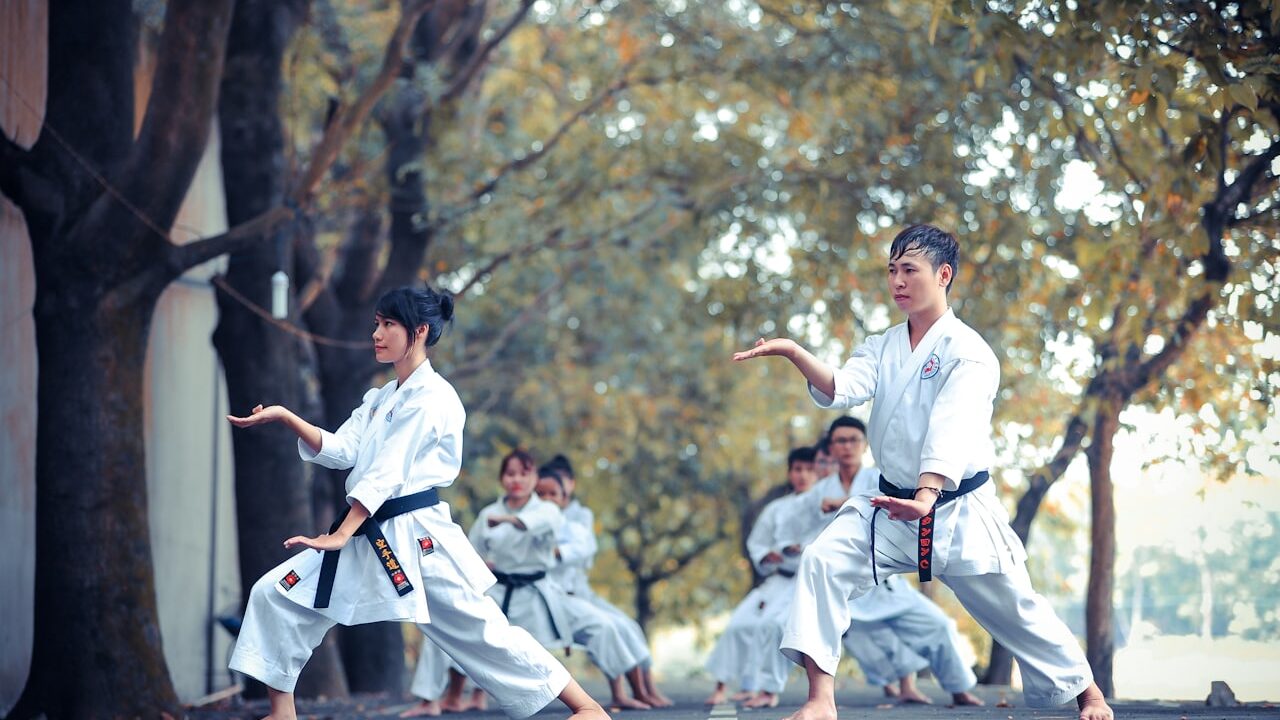
Picking the right martial arts singapore class is less about finding the “toughest” gym and more about matching a discipline to your goal — fitness, self-defence, competition, or a structured outlet for the kids. This guide walks through the main disciplines, what separates a serious academy from a flashy one, the pricing you can realistically expect in SGD, and the warning signs worth avoiding before you sign anything.
It is written for Singaporeans comparing options across the island, from CBD lunchtime boxing gyms to neighbourhood karate dojos in the heartlands. We do not rank specific schools or take sponsorships — instead we give you the criteria to judge any academy on its merits.
The main disciplines, and what each one suits
“Martial arts” covers a wide spread of styles with very different goals. Understanding what each is actually good at saves you from joining the wrong class.
Brazilian Jiu-Jitsu (BJJ)
A ground-grappling art focused on control, leverage and submissions. Excellent for self-defence (most real fights end up close-range), low-impact on the joints once technique improves, and hugely popular for competition in Singapore. Suits adults who want problem-solving and don’t mind close contact. Less about cardio striking, more about technique and patience.
Muay Thai
Thailand’s “art of eight limbs” — punches, kicks, elbows and knees plus clinch work. A brilliant all-round fitness and conditioning workout, strong for stand-up self-defence, and a staple of Singapore’s combat-sports scene. Suits people who want intense cardio and striking. Pad rounds are accessible even if you never spar.
Boxing
Pure hands, footwork and head movement. The most beginner-friendly striking art for fitness — many sign up purely for the conditioning. Great for coordination and confidence; limited as a complete self-defence system on its own, but the fundamentals transfer everywhere.
Karate
A traditional striking art with a strong belt and kata (forms) structure. Ideal for children and families who value discipline, etiquette and clear progression. Widely available in community centres and dojos. Sport karate is now Olympic-recognised, so competition pathways exist for keen students.
Taekwondo
Korean art known for dynamic kicking and a clear coloured-belt system. Another excellent kids’ and family choice thanks to its structure and accessibility across the heartlands. Strong for flexibility, footwork and sport competition (it is an Olympic event).
Judo
A throwing and grappling art with Olympic competition roots. Teaches break-falls, balance and throws — useful for self-defence and confidence. Suits those who enjoy explosive, full-contact grappling within a sporting framework.
Mixed Martial Arts (MMA)
Blends striking, clinch and grappling into one competitive sport. Best for fit adults who want the complete picture and don’t mind higher intensity. Many start with a single base art (often Muay Thai or BJJ) before combining them.
Wing Chun
A close-range Chinese striking system built around centreline control and quick hands. Appeals to those drawn to traditional kung fu and self-defence concepts. Quality varies widely between schools, so vetting the instructor matters more than usual here.
What to look for in a good academy
Once you have a discipline in mind, judge the actual school on these concrete points rather than its branding or social-media following.
- Qualified, ranked instructors. For belt arts, ask about the instructor’s grade and lineage; for BJJ check they are a verified black or brown belt; for Muay Thai or boxing ask about competition or coaching background. A credible coach will answer happily.
- Class sizes and coach-to-student ratio. Large beginner classes with one coach mean little personal correction. Smaller groups or assistant coaches usually mean better feedback and safer drilling.
- Separate kids and adults programmes. Good schools run age-appropriate kids’ classes with their own curriculum and supervision, not just children slotted into an adult session.
- Sparring intensity that matches beginners. Reputable gyms ease newcomers in — light, controlled sparring (or none at first) with protective gear. You should never be thrown into hard sparring on day one.
- A genuine trial class. Almost every serious academy offers a trial or intro. Use it to watch how beginners are treated and whether coaches actually coach.
- Hygiene of mats and shared gear. Grappling arts especially demand clean mats wiped between sessions, and loaner gloves or pads that are aired and sanitised. Skin infections spread on dirty mats, so this is non-negotiable.
You can shortlist nearby options through our martial arts category archive, then cross-check a few against the criteria above before booking trials.
Typical pricing in Singapore
Prices vary by location (CBD studios sit at the higher end), discipline and how the school packages its memberships. Treat these as broad ranges, not quotes — always confirm current rates directly.
- Drop-in single class: roughly $30–$50 for a one-off session, useful for trying a style without commitment.
- Monthly unlimited (adults): commonly around $150–$300/month at private academies, with community-centre and ActiveSG-style classes sitting noticeably lower.
- Term-based kids’ programmes: often billed per term or month, with many neighbourhood and CC classes landing in the modest-to-mid range; private academy kids’ classes run higher.
- Add-ons: a uniform (gi for BJJ/judo, dobok for taekwondo) or basic gloves and shin guards are usually a one-off cost on top of fees. Grading and competition entries may carry separate charges.
Watch for joining fees, minimum contract lengths, and whether “unlimited” genuinely covers all classes or only certain time slots. Cheaper is not automatically better — coaching quality and class frequency matter more than the headline price.
How to evaluate before you commit
Narrow your list with a simple, repeatable process:
- Match discipline to goal. Fitness-first? Boxing or Muay Thai. Self-defence with control? BJJ or judo. Kids and structure? Karate or taekwondo. Want the full picture? MMA.
- Check location and schedule honestly. The best gym is the one you will actually travel to. A class near your home, office or MRT line that runs at times you can keep beats a “better” gym you visit twice then quit.
- Book two or three trials. Compare how coaches treat beginners, the vibe of the room, and whether you felt welcomed rather than sized up.
- Read reviews for patterns, not one-offs. Repeated mentions of great coaching, or of pushy sales and injuries, tell you more than any single review.
- Talk to current students. Ask how long they have trained and whether beginners are looked after — a healthy school has a visible mix of newcomers and longer-term members.
If you are weighing martial arts against general training, our guide to choosing a gym in Singapore covers contracts and trials too, and you can browse verified businesses across categories in the main WhitePages directory.
Red flags to avoid
- High-pressure, sign-today sales tactics. Quality academies let the training sell itself. Aggressive lock-in contracts after a single trial are a warning sign.
- No verifiable instructor credentials. Vague answers about rank, lineage or competition experience — or self-awarded “master” titles with nothing to back them — deserve scepticism.
- Hard sparring forced on beginners. Reckless intensity that ignores safety leads to injuries and turnover. A good gym protects newcomers.
- Dirty or smelly mats and gear. Poor hygiene is both a health risk and a sign of a poorly run operation.
- Overcrowded classes with no real coaching. If one instructor faces forty people and beginners get no correction, you are paying for a workout video with extra steps.
- No trial offered at all. A school confident in its coaching will almost always let you try before you buy.
Related guides
- Fitness & Sports in Singapore: The Complete Guide
- Best BJJ Gyms in Singapore (2026 Guide)
- Boxing Gyms in Singapore: How to Choose
- Muay Thai Gyms in Singapore: How to Choose
- Best Boxing Gyms in Singapore (2026 Guide)
Frequently asked questions
Which martial art is best for self-defence in Singapore?
No single art wins for everyone, but BJJ (close-range control), Muay Thai (stand-up striking) and judo (throws and balance) are commonly cited as practical. The most important factor is consistent training and realistic drilling rather than the style’s name.
What is the best martial art for kids?
Karate and taekwondo are popular family choices because their belt systems give children clear goals, discipline and structure, and they are widely available in dojos and community centres. Kids’ BJJ and judo are also excellent for building confidence and coordination. Look for a dedicated kids’ programme rather than children joining an adult class.
How much does a martial arts class cost in Singapore?
Expect roughly $30–$50 for a drop-in and commonly around $150–$300/month for adult unlimited memberships at private academies, with community-centre and ActiveSG classes lower. Kids’ term programmes vary widely. Always confirm current rates and check for joining fees or contracts.
Do I need to be fit before I start?
No. Most beginner classes scale to your fitness, and you build conditioning as you train. Tell the coach you are new, go at your own pace during the trial, and progress from there.
How do I know if an instructor is genuinely qualified?
Ask directly about their rank or belt, lineage or affiliation, and competition or coaching experience. For belt-based arts, credentials should be verifiable through a recognised organisation. A trustworthy coach will share this information without hesitation.


