
Local Guide
Best Muay Thai Gyms in Singapore (2026 Guide)
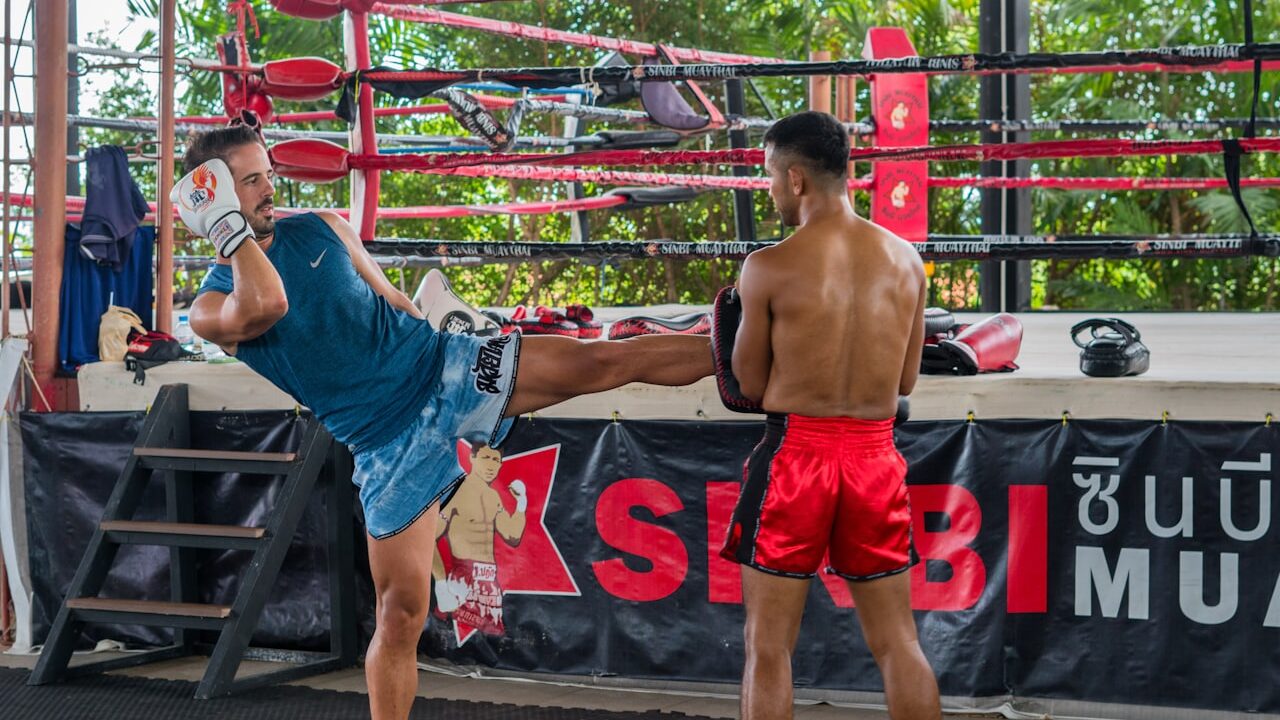
Picking a Muay Thai gym in Singapore is less about finding the “best” name and more about matching a gym to where you are in your journey — a curious beginner, a fitness-driven regular, a parent enrolling a child, or someone aiming for the ring. This guide is an editorial “how to choose” walkthrough that sorts gyms by level and class type, then by area, price tier and the details worth checking before you sign up. The art of eight limbs rewards consistency, so the right room and the right coach matter enormously.
Note: we do not name private gyms or brands here, since operators, schedules and pricing change constantly. Use the linked directory below to compare current options near you rather than relying on a single recommendation.
Match the gym to your level and goals
Muay Thai gyms in Singapore range from polished fitness-led studios to hard, traditional fight camps. Knowing which you want avoids signing up somewhere that is either too soft for your ambitions or too intense for your needs.
Beginner and fitness-focused training
Many people start Muay Thai for fitness, stress relief and learning to defend themselves. Beginner classes focus on the fundamentals — stance, the basic punches, kicks, knees and elbows, plus pad and bag work — with little or no hard sparring. A good beginner-friendly gym has a clear introductory programme and coaches who break technique down patiently rather than assuming prior experience.
Competition and fight-camp training
If you want to compete, look for a gym with an active fighters’ programme: regular clinch work, controlled sparring, conditioning rounds, and coaches who corner fighters at smokers or sanctioned bouts. Ask how often the gym competes and whether there is a clear pathway from regular classes into the fight team. The standard of your training partners shapes how quickly you improve.
Kids and family classes
Plenty of gyms run dedicated kids’ Muay Thai classes, which build discipline, coordination and confidence in a structured, non-contact or light-contact setting. For children, prioritise small groups, coaches experienced with young students, an emphasis on respect and control over aggression, and clear safety rules. Some gyms also offer family or parent-and-child sessions, which are worth asking about if you want to train alongside your kids.
What to look for in a good Muay Thai gym
Judge a gym on substance rather than branding. A few concrete criteria tell you most of what you need to know.
- Coach credentials. Ask about the head coach’s background — whether they are an experienced Thai trainer or a local coach with a real competitive and teaching record. Strong coaches actively watch and correct your technique, hold pads with intent, and progress you safely.
- Class size and structure. Smaller groups, or assistant coaches on the floor, mean more individual correction. A well-run class has a clear warm-up, technique, pad and bag rounds, and a structured cool-down.
- Equipment and space. Look for sturdy heavy bags, quality Thai pads and kick shields, a clean training area, and ideally a ring or clinch space if you intend to spar or compete.
- Hygiene and ventilation. Shared gloves, shin guards and pads should be cleaned, and the room should be ventilated or air-conditioned. Skin infections spread quickly in busy combat gyms.
- A real trial class. Most reputable gyms offer one. Use it to assess the coaching, the atmosphere, and whether beginners (or kids) are genuinely looked after.
Areas and how location shapes your choice
The gym you train at consistently beats the “best” gym you rarely reach, so commute matters. Singapore’s Muay Thai scene clusters in recognisable patterns.
Central and CBD-fringe studios cater to professionals with evening classes and a premium, fitness-forward feel — convenient straight from work, usually pricier. Gyms in the east and the heartlands lean more community-oriented, with a mix of fitness members, families and aspiring fighters, and frequently keener rates. Industrial-unit gyms in the north and west often house the more traditional fight camps, with the most space, full rings and a serious training culture. Decide whether you are optimising for convenience, atmosphere, kids’ classes or competition depth.
Price tiers and what they include
Muay Thai pricing in Singapore spans a broad range, and the monthly figure rarely captures the full picture. Confirm current rates directly, as packages shift often.
Drop-in and trial pricing
Single drop-in classes offer maximum flexibility and typically sit in the lower tens of SGD per session, with trials sometimes discounted or free. It is the easiest way to test a gym, but the most expensive per session over the long run.
Memberships and class packs
Regulars usually move to a monthly unlimited membership or a multi-class pack, which cuts the effective per-class cost. Premium central studios sit at the top of the range; heartland and traditional gyms at the lower end. Check the lock-in period, class expiry, and any joining or admin fees before you commit. Kids’ programmes are often priced separately.
What is included
Clarify whether gloves, wraps and shin guards are included or rented, and whether clinch sessions, sparring, open-gym time or private lessons cost extra. Two gyms at the same monthly price can differ once you add what you will actually use.
Red flags to avoid
A few warning signs separate a serious, safe gym from one to skip — and they matter even more for children.
- No trial, hard upsell. Pressure to sign a long lock-in before you have trained once is a poor sign.
- Beginners or kids rushed into hard contact. Good gyms build technique and control first; reckless early sparring causes injuries and dropouts.
- Coaches who do not correct you. If nobody watches your technique across a whole class, you are paying for a workout, not coaching.
- Neglected gear and grimy mats. Worn pads, split bags and unclean shared equipment point to a gym cutting corners on safety.
When you are ready to compare specific options, browse the martial arts gyms category on WhitePages.sg, and widen your search across areas through the main business directory to find a Muay Thai gym that fits your level, your family and your budget.
Related guides
- Fitness & Sports in Singapore: The Complete Guide
- Muay Thai Gyms in Singapore: How to Choose
- Best BJJ Gyms in Singapore (2026 Guide)
- Boxing Gyms in Singapore: How to Choose
- Best Boxing Gyms in Singapore (2026 Guide)
Frequently asked questions
How much does Muay Thai cost in Singapore?
It varies widely. Single drop-in classes usually sit in the lower tens of SGD, while monthly unlimited memberships and class packs reduce the per-session cost, particularly at heartland or traditional gyms. Premium central studios charge more, and kids’ classes are often priced separately. Always check current rates directly, as packages change often.
Is Muay Thai suitable for complete beginners?
Yes. Most gyms run beginner classes focused on stance, basic strikes and pad work with little or no hard contact. Look for a gym with a clear introductory programme and coaches who teach fundamentals patiently rather than throwing newcomers into sparring.
At what age can children start Muay Thai?
Many gyms run kids’ classes from around primary-school age, though exact ages vary. For children, prioritise small groups, coaches experienced with young students, an emphasis on respect and control, and a non-contact or light-contact format. Ask each gym directly about its minimum age and class structure.
What gear do I need to start Muay Thai?
To begin, most gyms lend gloves, wraps and shin guards for trial and beginner classes, though shared gear should be cleaned regularly. Once you train regularly, buying your own boxing gloves, hand wraps and shin guards is worth it for fit and hygiene. Confirm what is included before signing up.
How do I tell a good Muay Thai gym from a poor one?
Use the trial class. A good gym has coaches who watch and correct your technique, well-maintained equipment, sensible class sizes, clean shared gear, and a clear progression for both beginners and fighters. Be wary of hard contract upselling, neglected gear, or beginners rushed into hard sparring.
How often should a beginner train Muay Thai?
Two to three sessions a week is a common starting point for beginners, giving the body time to adapt to kicking, conditioning and pad work. Shins, knees and shoulders need recovery between sessions. Once your fitness and technique improve, you can add classes. Avoid jumping into heavy sparring until your coach says you are ready.
Is Muay Thai good for fitness and weight loss?
Yes, Muay Thai is a demanding full-body workout that builds cardio fitness, strength, coordination and core stability. Combined with a sensible diet and regular attendance, it can support weight loss. Results vary between individuals, and intensity depends on the class, so choose fitness-focused sessions if your aim is conditioning rather than competition.
Do I have to spar in Muay Thai classes?
No, sparring is usually optional, especially in beginner and fitness-focused classes. Most sessions focus on technique, pad work, bag work and conditioning. When you do start sparring, it should be controlled, with proper protective gear and supervision from a coach. A good gym never pressures newcomers into hard sparring before they are ready.


