
Local Guide
Best Personal Trainers in Singapore (2026 Guide)
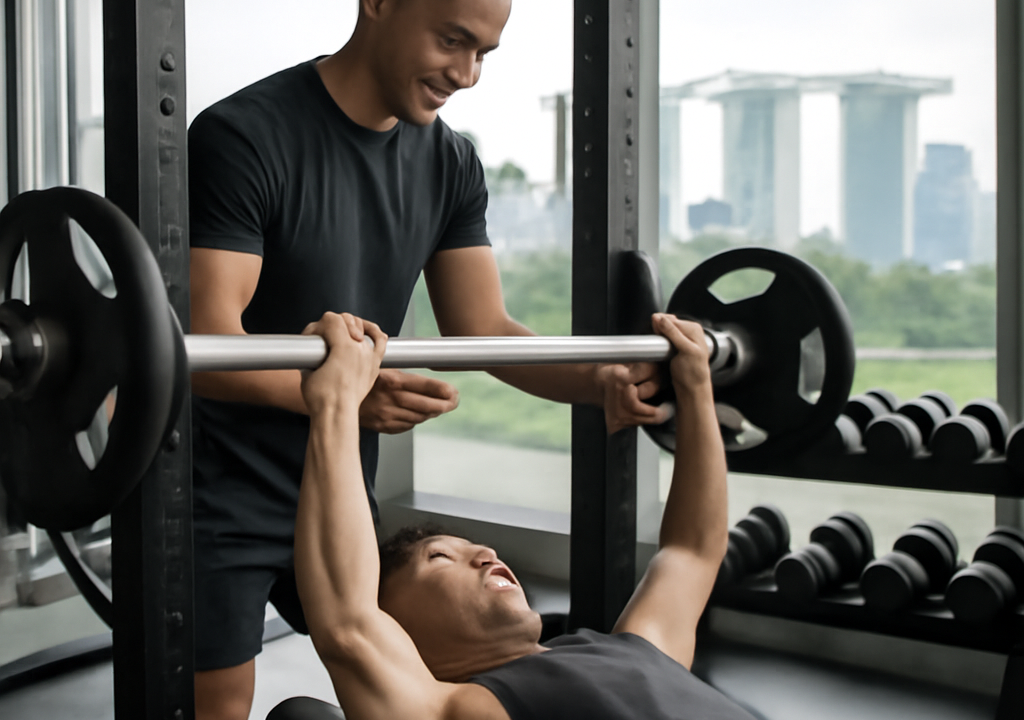
Hiring a personal trainer in Singapore is one of the more personal decisions in the fitness world — you are trusting someone with your body, your time and a meaningful chunk of your budget. This guide is for anyone weighing up one-to-one coaching, whether you want to lose weight, build strength, return from an injury or train safely through pregnancy. Rather than ranking named coaches, we walk through the criteria that actually predict a good fit, so you can judge any trainer on their merits.
The right trainer for a 60-year-old rebuilding mobility is rarely the right trainer for a competitive lifter, so the question is less “who is best” and more “who is best for me”. To compare options, browse our personal training listings.
What to look for in a personal trainer
Singapore’s fitness industry is largely unregulated in the sense that anyone can call themselves a trainer, which makes your own due diligence essential. Run through these criteria before you commit to a package.
Recognised certification
A credible trainer holds a qualification from an internationally recognised certifying body — the kind that requires a real examination and ongoing continuing education rather than a weekend course. Ask which certification they hold and whether it is current. A genuinely qualified coach will share this happily; evasiveness here is telling. For rehab-adjacent work, a background in sports science or a physiotherapy qualification is a meaningful plus.
Specialisation that matches your goal
Personal training is not one skill. Common specialisations include weight loss and body composition, strength and powerlifting, post-injury rehabilitation, and pre- and post-natal training. A coach who works mainly with young athletes may not be the right choice for someone returning to exercise after a slipped disc. Ask directly about their experience with clients like you.
In-gym versus mobile or home training
Trainers in Singapore operate in a few different settings. Some work out of a commercial or boutique gym; some are mobile and come to your condo gym or HDB void-deck fitness corner; some train clients in their own studio. In-gym coaching gives you access to a full range of equipment, while mobile or home training trades some equipment for convenience and privacy. Decide which matters more before you shortlist.
Communication style and rapport
Technical knowledge is necessary but not sufficient. The best trainer for you is one whose coaching style keeps you turning up — encouraging without being a drill sergeant, or firm if that is what you respond to. Many trainers offer a trial or consultation session; use it to gauge whether you actually enjoy working with them.
Typical pricing in Singapore
Personal training in Singapore is usually priced per session, with the rate falling as you commit to larger packages. Understanding the structure helps you avoid overpaying.
- Per-session rates are the headline figure. Expect a wide range depending on the trainer’s experience, certification level and whether sessions are in a premium boutique gym or a public facility.
- Package pricing is the norm — buying ten, twenty or more sessions upfront typically lowers the per-session cost, but ties up your money and assumes the trainer is a good fit.
- Mobile and home sessions often cost more than in-gym ones because the trainer is absorbing travel time and bringing equipment.
- Semi-private or small-group training splits the cost across two or three clients and is a sensible middle ground if a full one-to-one rate stretches your budget.
Rather than chasing the lowest per-session price, weigh it against experience, specialisation and how locked-in the package is. A slightly pricier coach who keeps you consistent for a year is better value than a cheap one you stop seeing after a month. Always ask what happens to unused sessions and whether the package has an expiry date.
How we evaluate a good personal trainer
When assessing trainers for the directory, we weigh the factors that predict real, safe progress over marketing and aesthetics.
Assessment before prescription
A good trainer assesses your movement, history and goals before designing anything — not a generic plan pulled off the shelf. They screen for injuries and limitations and adjust accordingly.
Progressive, individualised programming
Quality coaching shows a clear plan that progresses over weeks, with the trainer tracking your numbers and adapting. Sessions that feel random, or are simply about making you tired and sweaty, are a sign of weak programming.
Form, safety and injury awareness
The best trainers prioritise technique and know when to refer out — to a doctor or physiotherapist — rather than pushing through genuine pain. This is especially important for rehab and pre- or post-natal clients.
Realistic expectations and consistency
Trustworthy coaches set achievable goals and are honest about timelines. Be cautious of anyone promising dramatic transformations on an unrealistic schedule.
Red flags to avoid
- No verifiable certification, or reluctance to say which body certified them.
- Guarantees of rapid, dramatic results — sustainable change takes time, and anyone promising otherwise is selling, not coaching.
- Pushing supplements or restrictive crash diets outside their scope, particularly anything that should come from a doctor or accredited dietitian.
- Ignoring pain or injuries and insisting you train through them regardless.
- High-pressure sales for a large, long-expiry package before you have even trialled a session.
- One-size-fits-all programmes with no real assessment of your goals, history or fitness level.
A short trial session and a few honest questions about certification and specialisation will tell you most of what you need to know. When you are ready to compare coaches, start with our Singapore personal training listings or explore the wider WhitePages.sg directory for related fitness and wellness services.
Related guides
- Fitness & Sports in Singapore: The Complete Guide
- How to Choose a Personal Trainer in Singapore
- Hiring a Personal Trainer in Singapore: How to Choose
- How to Prepare for IPPT in Singapore (2026)
Frequently asked questions
How much does a personal trainer cost in Singapore?
Personal training is usually charged per session, with the rate depending on the trainer’s experience, certification and setting. Buying a package of sessions typically lowers the per-session cost, while mobile or home sessions tend to cost more than in-gym ones. Ask for the all-in package price, the expiry date and what happens to unused sessions so you can compare fairly rather than on the headline rate alone.
What certification should a personal trainer have?
Look for a qualification from an internationally recognised certifying body that requires a proper examination and ongoing continuing education, rather than a brief weekend course. For rehabilitation-focused training, a sports science or physiotherapy background is a strong plus. A credible trainer will state their certification readily, so treat any evasiveness as a warning sign.
Should I train in a gym or have a trainer come to me?
It depends on your priorities. In-gym training gives you the full range of equipment and is well suited to strength work, while mobile or home training offers convenience and privacy, often at a higher rate. If you value flexibility and dislike commuting, home or condo-gym sessions may suit you; if you want maximum equipment, choose an in-gym coach.
Can a personal trainer help me train safely during pregnancy?
Yes, provided they specialise in pre- and post-natal training and you have clearance from your doctor. A suitably qualified trainer will adapt exercises to each trimester and avoid movements that are unsafe at that stage. Always confirm the trainer has genuine experience in this area rather than assuming any coach can guide you through it.
How many sessions a week do I need to see results?
For most people, two to three sessions a week, combined with activity on the days in between, is a common and sustainable starting point. The right frequency depends on your goal, budget and recovery. A good trainer will recommend a realistic schedule rather than pushing the largest package, and will be honest that consistency over months matters more than intensity in any single week.


