
Local Guide
Pottery & Ceramics Classes in Singapore: How to Choose
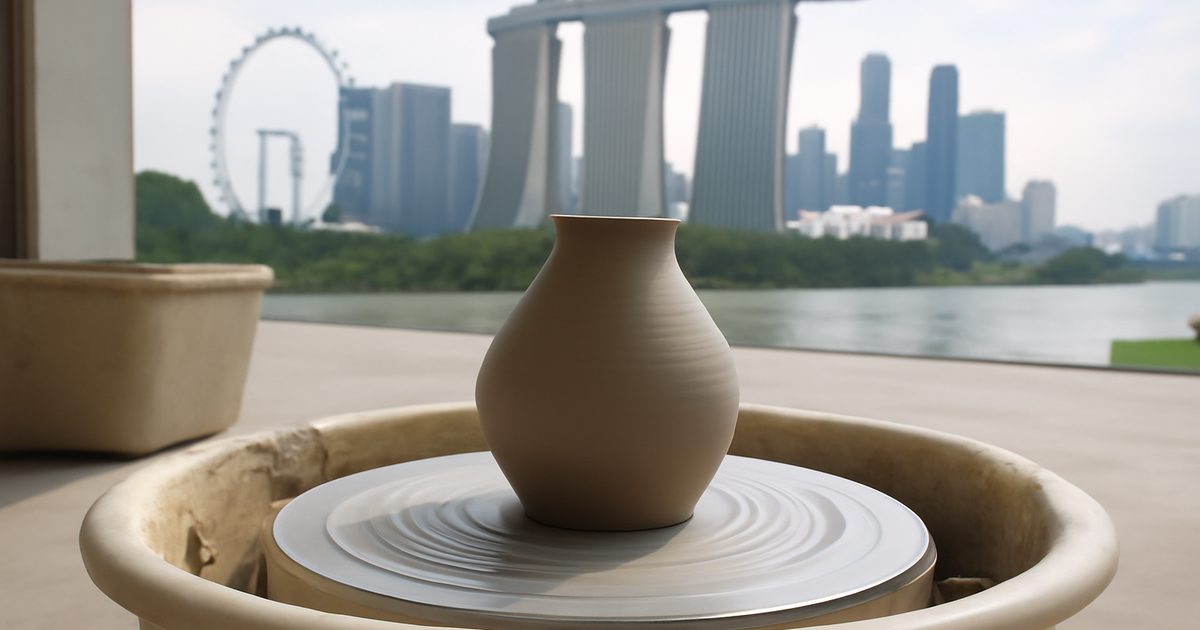
Picking the right pottery class in Singapore comes down to matching a studio’s format to how you actually want to make things — whether that is spinning a wheel for an afternoon or committing to a multi-week course that teaches you to finish your own pieces. This guide is for complete beginners, returning hobbyists, and parents booking for kids, and it walks through the practical questions to ask before you pay. By the end you should know which format suits you, what is realistic for a first session, and roughly what to budget.
Ceramics is a slow craft with real material costs — clay, glaze, kiln time and studio space — so the way a class is priced and structured matters more than in most hobbies. Below we break down the choices, then close with typical pricing ranges and a short FAQ.
Wheel-throwing vs hand-building: which should you start with?
The first fork is the making method, and the two feel completely different in your hands.
Wheel-throwing
Wheel-throwing is the spinning-clay technique most people picture. It is satisfying and a little addictive, but it has a real learning curve — centring the clay alone can take a few sessions to feel natural. If your goal is symmetrical bowls, cups and vases, this is the route, but expect early pieces to be imperfect. A good beginner wheel class keeps the group small so the instructor can put hands on your hands when the clay goes off-centre.
Hand-building
Hand-building (pinch pots, coil work, and slab construction) needs no wheel and is far more forgiving for a first try. It suits people who want something tactile and meditative, prefer organic shapes, or are making with children. Many makers enjoy hand-building long-term for plates, planters and sculptural pieces. If you are nervous about coordination or just want a relaxed taster, start here.
Some studios teach both in a single foundation course, which is the ideal way to discover which you prefer before committing further.
Taster sessions vs term courses
The second decision is format, and it should follow your intent rather than the headline price.
- One-off taster sessions (often 1.5 to 3 hours) are perfect for a date, a gift, a team outing, or simply testing whether you enjoy the craft. You will usually make one or two pieces and the studio handles the rest. The trade-off: you typically do not learn the full process, and your piece is glazed and fired for you.
- Term or multi-week courses (commonly 4 to 8 sessions) actually teach you to make, trim, glaze and finish your own work. This is the right choice if you want a genuine skill rather than a single keepsake, and the per-session cost is usually lower than booking tasters individually.
- Intensive workshops compress a theme — say, mug-making or Japanese-style tableware — into one longer day. Good for focused learning without a long commitment.
A simple rule: if you suspect you will come back, a term course is almost always better value and far more rewarding than repeat tasters. For other hands-on options worth comparing, see our guide to choosing a cooking class in Singapore.
Kids vs adults: what to check
Pottery works beautifully for children, but the setup differs from an adult class.
Classes for children
For younger kids, hand-building is usually the focus — wheels demand strength and patience that suit older children and teens better. Look for age-banded groups, shorter session lengths, and a low student-to-instructor ratio. Ask whether tools and aprons are sized for children and whether the studio is comfortable with messy, exploratory making rather than a fixed “correct” outcome.
Classes for adults
Adult classes range from sociable beginner evenings to serious skill-building terms. If you want a calm, unhurried environment, ask about class size and whether the slot is shared with drop-in members. Couples and friends booking together should confirm there are enough wheels or workstations for everyone in the group.
Firing, glazing and how your piece gets finished
This is the part beginners most often overlook, and it directly affects cost and timeline. Raw clay must be fired in a kiln — usually twice (a bisque firing, then a glaze firing) — and most studios do not let beginners operate the kiln themselves.
Key questions to ask:
- Is firing included? Some taster prices cover firing and glazing of one or two pieces; others charge per piece or by weight afterwards.
- What glaze options are there? Studios offer anything from a small house palette to a wide colour range; more choice sometimes carries a small surcharge.
- How long until collection? Because pieces dry, then queue for two kiln runs, finished work is commonly ready a few weeks later. You collect or arrange delivery — it is not same-day.
- What if a piece cracks? Drying and firing can crack or warp pieces; reputable studios explain this upfront rather than promising perfection.
Understanding the firing model is the single best way to avoid surprise charges and disappointment over timelines.
Open-studio access and memberships
Once you have the basics, the limiting factor becomes practice time. Many studios offer open-studio or membership access — paid time to use wheels, tools and the kiln outside structured classes.
This matters if you intend to keep going. A membership or block of open-studio hours lets you build muscle memory between lessons, and firing is sometimes bundled into the rate. Before signing up, check whether membership requires completing a foundation course first, whether clay and glaze are included or billed separately, and how busy the studio gets during peak evenings and weekends. For casual one-time makers, you can safely ignore this; for anyone catching the bug, it is often the most cost-effective way to continue.
Typical pricing in Singapore
Prices vary with studio location, group size, session length and what is included (clay, firing, glazing). Treat the following as broad guidance rather than fixed quotes — always confirm what the fee covers.
| Format | Typical range (SGD) | Usually includes |
|---|---|---|
| One-off taster (1.5–3 hrs) | $70–$150 per person | Clay and basic firing of 1–2 pieces |
| Multi-week beginner course (per term) | $300–$700 | Several sessions, some clay and firing |
| Kids’ class (per session) | $40–$90 | Hand-building, smaller pieces |
| Open-studio / membership (monthly) | $120–$350 | Studio and equipment access; clay/firing may be extra |
Central and city-fringe studios tend to sit at the higher end. When comparing, divide the term price by the number of sessions to get a true per-session figure, and ask whether extra clay, additional firings or premium glazes are billed separately. To find and shortlist studios near you, browse the art & craft class listings or search the wider WhitePages.sg directory.
Related guides
- Education & Enrichment in Singapore: The Complete Guide
- Best Art Classes in Singapore (2026)
- Best Pottery Classes in Singapore (2026 Guide)
- Best Calligraphy Classes in Singapore (2026 Guide)
- Best Art & Craft Classes in Singapore
FAQ
Is pottery hard for a complete beginner?
Hand-building is genuinely easy to pick up on day one, and most people leave a taster with a finished piece. Wheel-throwing is more challenging — centring the clay can take a few sessions to feel natural — but a good instructor and a small group make a frustrating first attempt much smoother. If you want quick satisfaction, start with hand-building.
How long until I can take my pottery home?
Rarely the same day. After making, a piece must dry, then be bisque-fired and glaze-fired — two separate kiln runs. Most studios have finished work ready for collection a few weeks later, so plan around that timeline if it is meant as a gift.
Should I book a single class or a full course?
If you mainly want a fun one-off experience or a gift, a taster session is ideal. If you want to actually learn to make, trim and glaze your own work, a multi-week course teaches the full process and usually costs less per session than booking tasters repeatedly.
What age can children start pottery?
Many studios run hand-building classes for young children, since it needs no wheel and is very tactile. Wheel-throwing generally suits older children and teens, who have the strength and patience it requires. Look for age-banded groups and a low student-to-instructor ratio when booking for kids.
What should I wear and bring?
Clay is messy, so wear clothes you do not mind staining and keep nails short for wheel work. Most studios provide aprons, tools, clay and glazes, so you usually need to bring nothing else — but confirm when booking, especially for open-studio sessions where materials may be charged separately.
How much do pottery classes cost in Singapore?
Pottery class prices in Singapore depend on whether you book a one-off taster or a multi-week course, the technique taught, class size, and whether clay, glazing and firing are included. Taster sessions, often 1.5 to 3 hours long, cost less upfront than courses but more per hour. Check what is included, as firing and extra pieces are sometimes charged separately.
What is the difference between wheel throwing and handbuilding?
Wheel throwing uses a spinning potter’s wheel to shape clay into symmetrical forms like bowls, cups and vases, and takes practice to centre the clay. Handbuilding uses techniques like pinching, coiling and slab work without a wheel, giving more freedom for sculptural or irregular shapes. Many beginners try both before choosing which to focus on in a longer course.
Is a pottery class a good date or team-building activity in Singapore?
Yes, pottery is a popular date, gift and team-building activity in Singapore because it is hands-on, relaxed and leaves everyone with a keepsake. One-off taster sessions of around 1.5 to 3 hours suit these occasions well. For groups, ask studios about private bookings, minimum numbers and whether finished pieces can be collected or delivered after firing.


