
Local Guide
Best Public Speaking Classes in Singapore (2026 Guide)
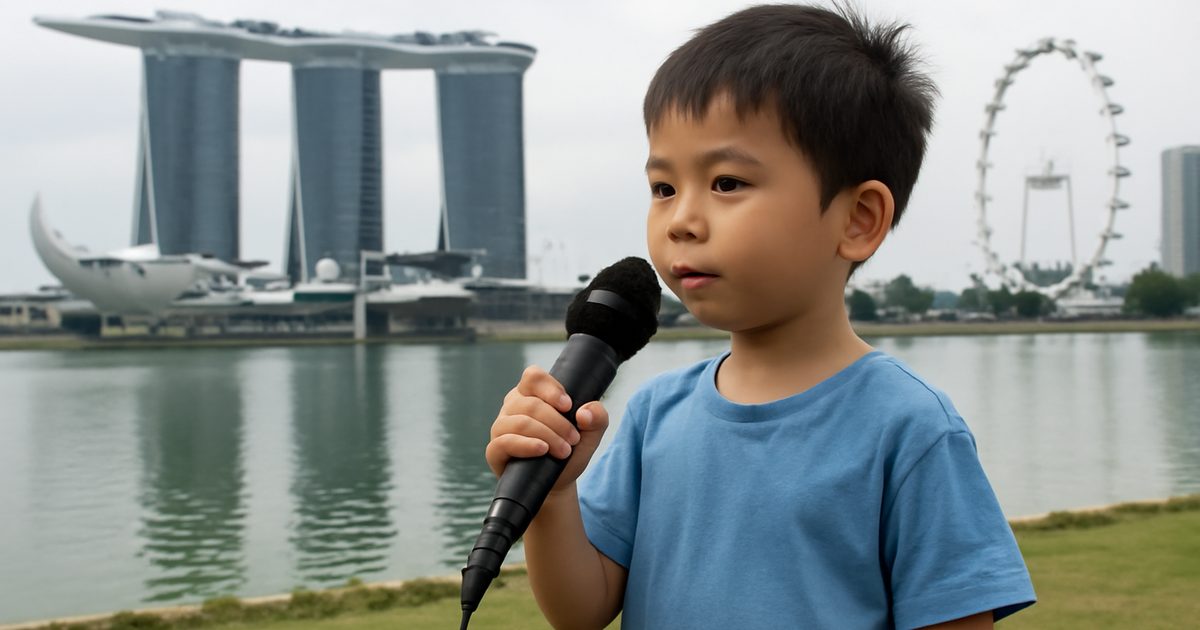
Public speaking in Singapore is a skill that pays off well beyond the classroom — from a child finding the confidence to present in front of peers to an adult delivering a clear pitch at work. This guide is for parents looking to build a shy child’s confidence, students preparing for oral examinations or debate, and professionals who want to present better. We set out what separates a genuinely useful course from one that just hands out certificates.
Unlike subjects with a fixed syllabus, speaking is learned by doing, so the format and the amount of stage time matter enormously. Whether the goal is confidence, polish or competitive debate, the principles below will help you choose well. To compare local providers, browse the STEM and enrichment category.
Matching the course to your goal
“Public speaking” covers several different aims, and the best class for one is rarely the best for another.
Children’s confidence
For younger or shy children, the priority is feeling safe enough to speak at all — through games, show-and-tell, storytelling and short presentations in a supportive group. Progress here looks like a child volunteering to speak rather than freezing, and a good class celebrates small wins instead of drilling technique too early.
Presentation and oral skills
For school-age students, classes often focus on structuring a talk, projecting the voice, eye contact, body language, and handling oral examination formats such as reading aloud and stimulus-based conversation. This is where clear feedback on each speech makes the difference.
Debate and competitive speaking
Older students aiming for debate or speech competitions need argument construction, rebuttal, thinking on their feet, and performing under time pressure. These classes are more rigorous and benefit from coaches with real competitive or adjudication experience.
Adult and professional
Adults usually want to present, pitch or speak at meetings with less anxiety and more impact. Courses here lean towards structuring a message, slide discipline, managing nerves, and Q&A handling, and are often shorter and more intensive than children’s programmes.
Why group size and stage time matter most
Speaking improves only through repetition in front of others, so the single most important question is how much actual speaking each student gets.
- Small groups: A small class means every student speaks multiple times per session and receives individual feedback. This is where confidence and skill build fastest, and it is worth paying more for.
- Large classes: In a big room, a child might present once and spend the rest of the lesson watching. It can still build some comfort, but progress is slower and quieter children are easy to overlook.
- Private coaching: Maximum stage time and tailored feedback, useful for exam preparation, a specific competition, or an adult with a looming presentation — at a higher per-hour cost.
Ask bluntly: how many students per class, and how many times will my child speak in a typical lesson? The answer tells you more than any brochure.
What to look for in a good course
Beyond stage time, these signals separate strong providers.
Instructor experience
Look for instructors with real speaking, teaching, drama or debate backgrounds rather than generic tutors reading from a script. For debate specifically, ask whether coaches have competed or adjudicated. A good instructor models good speaking and gives specific, kind, actionable feedback.
Feedback and structure
The best classes follow a progression — from short talks to longer, more demanding ones — and give each student concrete points to work on, not just generic praise. Ask whether students are recorded or given written feedback, and whether there is a showcase or graded performance to work towards.
Trial and class fit
Most reputable providers offer a trial lesson or assessment. Use it to check the group size, the warmth of the room, and whether your child is encouraged rather than put on the spot in a way that backfires. The right class should leave a nervous child slightly more willing to speak, not less.
The benefits, realistically
Public speaking classes genuinely help most students become more comfortable in front of an audience, structure their thoughts, and handle oral examinations and presentations with less dread. For shy children especially, a supportive class can be a turning point in confidence.
What no course can promise is to transform a reserved child into a natural performer overnight — confidence builds over months of repetition, and a single term sets the foundation rather than finishing the job. Frame it as practice that compounds, and the investment makes sense.
Typical pricing in Singapore
Public speaking classes are usually billed per term of weekly lessons in SGD, with adult courses sometimes sold as short intensives. Rough qualitative tiers:
- Budget tier: Larger group children’s classes and community programmes — the most affordable per-term rate, fine for a first confidence boost.
- Mid tier: Structured small-group programmes with a clear progression, regular feedback and a showcase. This is where most committed families land.
- Premium tier: Specialist debate coaching, exam-focused intensives, or private one-to-one and bespoke adult corporate courses — the highest overall cost.
Always confirm the class size, number of lessons per term, make-up policy, and whether there is a performance or assessment included. Adult courses vary widely in length, so check what each session covers. Rates change between terms, so check current pricing with each provider. To shortlist centres near you, the WhitePages.sg directory is a practical place to start.
Red flags to avoid
Be cautious of large classes marketed as serious speaking training, courses that promise to “cure” shyness in a few sessions, an over-reliance on certificates and trophies rather than visible improvement, and vague answers about how much each child actually speaks. For shy children, also avoid any approach that shames or pressures a reluctant speaker, which tends to entrench the fear rather than ease it. A confident provider will let you trial first.
Related guides
- Education & Enrichment in Singapore: The Complete Guide
- Best Chess Classes in Singapore (2026 Guide)
- Best Phonics Classes in Singapore (2026 Guide)
- Best Coding & STEM Classes for Kids in Singapore
- Best Abacus & Mental Maths Classes in Singapore (2026)
Frequently asked questions
What age should a child start public speaking classes?
Many children begin around six or seven through games and show-and-tell, though there is no fixed right age. Shy children can benefit at almost any age in the right supportive setting. A trial lesson is the best way to judge whether your child is ready and whether the class suits their temperament.
Can public speaking classes really help a shy child?
Yes, often noticeably, but over time rather than instantly. A warm, small-group class that gives a child repeated low-pressure chances to speak tends to build genuine confidence across a term or two. Avoid high-pressure formats that put a nervous child on the spot, as these can backfire.
Do these classes help with school oral examinations?
They can, especially courses that cover reading aloud, stimulus-based conversation, structuring answers and projecting the voice. Ask whether a provider’s programme is geared towards the relevant oral formats if exam preparation is your main goal, since general confidence classes are broader.
Are there public speaking courses for adults?
Yes. Many providers run adult and corporate courses focused on presentations, pitching and managing nerves, often as shorter intensives or one-to-one coaching. These are well suited to professionals preparing for a specific talk or wanting to present more confidently at work.
How do I compare public speaking classes fairly?
Ask each provider the same things: the class size and how often each student speaks per lesson, the instructor’s background, whether there is structured feedback and a showcase, the number of lessons and make-up policy per term, and the current fee. Then use a trial to see how your child responds before committing.
How much do public speaking classes cost in Singapore?
Public speaking class cost depends on the format, such as group classes, private coaching, holiday camps or corporate workshops, plus class length and the trainer’s experience. Children’s enrichment programmes may be priced per term. Ask about trial lessons, class size, performance opportunities and whether video feedback is included.
What skills do public speaking classes teach?
Public speaking classes usually cover voice projection, pacing, body language, eye contact, speech structure, storytelling, handling nerves and answering questions. Advanced programmes may include debate, impromptu speaking and presentation design. Regular practice and constructive feedback are key, so look for classes where every participant gets plenty of speaking time.
How long does it take to see improvement in public speaking?
Many people notice more confidence after a few weeks of regular practice, though lasting improvement takes months. Progress depends on practice frequency, feedback quality and personal comfort level. Applying skills in real situations, such as school presentations or meetings, helps reinforce learning between classes. Recording yourself also makes progress easier to see.


