
Local Guide
Best Reverse Cameras in Singapore (2026 Guide)
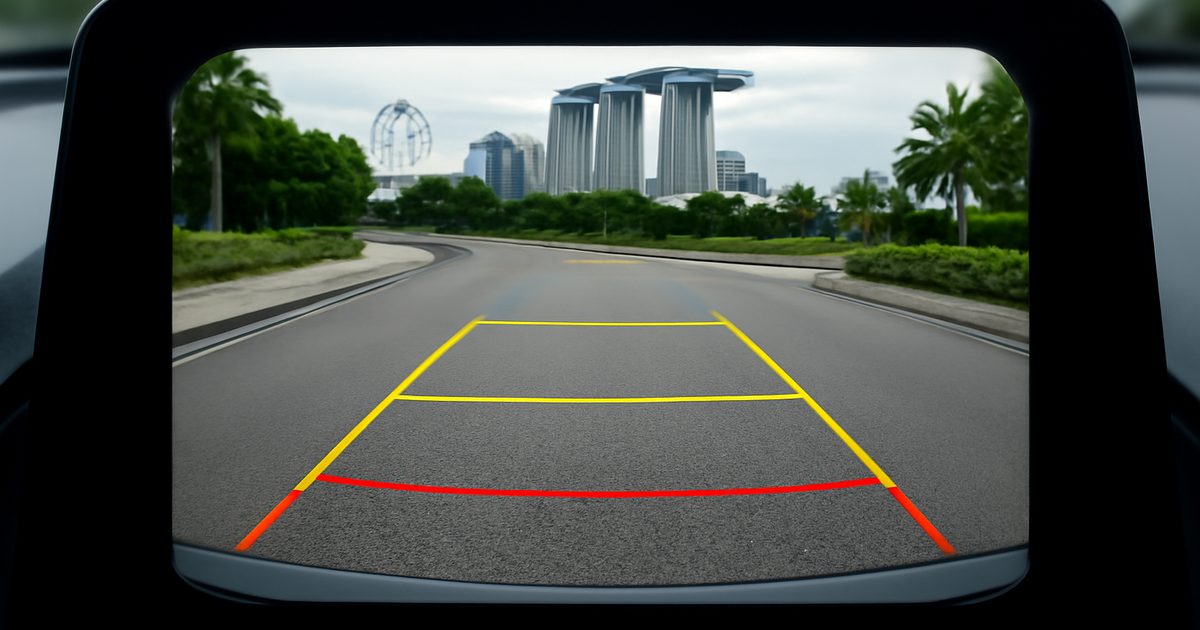
A reverse camera in Singapore turns tight multi-storey carparks and narrow HDB lots from a stressful guess into a clear view of exactly what is behind you. This guide is for owners of older cars without a factory camera, and anyone weighing up a simple rear cam against a full 360-degree system. We focus on display quality, install workmanship and how cameras pair with parking sensors, because a fuzzy picture or a leaky retrofit causes more grief than no camera at all.
With our compact lots, kerbs, pillars and the occasional stray trolley, reliable rear vision is one of the most useful upgrades you can fit. Whether you drive a budget hatch or a continental SUV, the criteria below will help you choose the right system and brief a workshop properly. To compare local fitters and accessory shops, browse the car accessories category.
Reverse camera versus 360 camera
The first decision is how much coverage you want, and it has a large effect on both cost and install complexity.
Single rear reverse camera
A basic reverse camera mounts at the back — near the number plate or boot handle — and shows the view directly behind when you select reverse. It is the most affordable and common retrofit, solves the main problem of not seeing low obstacles and kerbs, and is enough for most drivers. The limitation is that it only sees rearward, so blind spots beside the car remain.
360-degree (surround-view) camera
A 360 system uses four cameras — front, rear and under each mirror — stitched into a bird’s-eye view of the whole car. It is invaluable for squeezing into tight lots, judging kerbs on both sides and parking nose-first. The trade-off is a much higher price, a far more involved install with careful calibration, and the need for a compatible display. It suits larger vehicles, nervous parkers and drivers in very tight carparks.
Front and rear pairing
Some owners add a front camera alongside the rear instead of a full 360 kit, which helps with nose-in parking and judging the front bumper against kerbs at a lower cost than surround view.
What to look for
Picture quality and a clean install matter far more than headline features.
The display
The camera is only as good as the screen showing it. Options range from a small clip-on monitor, to a rear-view mirror with a built-in display, to feeding the image into a head unit or your existing infotainment screen. A larger, higher-resolution screen makes obstacles easier to judge; a mirror-type display keeps the dashboard tidy. Make sure the chosen display switches to the camera automatically when you engage reverse, and that it is bright enough to see clearly in daylight.
Camera image quality and night view
Look for a sharp, wide-angle lens with good low-light performance, since many carparks are dim and you will often reverse at night. Useful extras include guide lines that show your path, and dynamic guide lines that bend with the steering on better systems. A waterproof-rated camera is essential given our rain — a poorly sealed unit fogs up or fails within months.
Install quality and warranty
A retrofit involves routing a cable from the boot to the dashboard and tapping into the reverse light and power. Tidy workmanship means hidden cabling, a properly sealed camera that will not let water in, and a switch-over that triggers reliably on reverse. Ask what warranty covers both the hardware and the labour, and prefer a fitter who guarantees their wiring, because a botched install can cause water ingress, blown fuses or an intermittent picture.
Parking sensors and combining systems
Cameras and sensors solve different parts of the same problem, and many owners fit both.
A reverse camera shows you what is there, while parking sensors beep with increasing urgency as you near an obstacle, alerting you even when you are not looking at the screen. Sensors are especially good at catching low bollards, posts and kerbs that can fall outside or below the camera’s view, and they work in the dark or when the lens is dirty. The two complement each other: the camera gives the picture, the sensors give the audible warning. If you are retrofitting, ask whether a combined camera-and-sensor package makes sense for your car, as fitting both together is usually tidier and cheaper than doing them on separate visits.
Typical pricing in Singapore
Prices vary widely with camera quality, the display type and install complexity, so treat these as qualitative ranges and always get a quote that includes fitting.
- Basic rear camera with a clip-on or mirror monitor: the entry tier, a sensible budget upgrade for an older car.
- Rear camera integrated into a head unit or factory screen: the mid bracket, neater and more popular for everyday owners.
- Reverse camera plus parking sensors bundle: a modest step up that adds audible warnings and is often discounted when fitted together.
- Full 360-degree surround-view systems: the top tier, considerably more because of four cameras, calibration and a longer install.
Most of the cost difference comes from the camera and display quality and the labour involved, so a well-fitted mid-range setup usually beats a cheap kit installed carelessly. Comparing a few workshops helps you judge both price and workmanship — start with the broader WhitePages.sg directory to find fitters near you.
Related guides
- Car Services in Singapore: The Complete Guide
- Best Car Mats in Singapore (2026 Guide)
- Best Dashcams in Singapore (2026 Guide)
- Best Car Accessories Shops in Singapore
- Car Number Plates in Singapore: How to Choose
Frequently asked questions
Do I need a 360 camera or is a reverse camera enough?
For most drivers a single rear camera is enough, since reversing into tight lots is the main challenge. A 360 system is worth the extra cost mainly for larger vehicles, very tight carparks or anyone who finds judging both sides and the front difficult.
Can a reverse camera be fitted to any car?
Almost any car can take a retrofit reverse camera, paired with a clip-on monitor, a mirror display or your existing screen. The install routes a cable from the boot to the dashboard and taps the reverse light, so a workshop fit gives the cleanest, most reliable result.
Should I get parking sensors as well as a camera?
They work well together. The camera shows what is behind you while sensors beep to warn of low obstacles you might miss on screen, including in the dark or when the lens is dirty. Fitting both at once is usually tidier and cheaper than separate visits.
Will a reverse camera work at night or in the rain?
A good camera has decent low-light performance and a waterproof rating, which matters in dim carparks and our frequent rain. Cheaper units struggle in the dark or fog up over time, so prioritise image quality and proper sealing, and keep the lens clean.
How long does a reverse camera installation take?
A basic rear camera is usually a same-day job of a few hours. A 360-degree system takes considerably longer because four cameras must be mounted, wired and calibrated, so check the timing and the warranty on both parts and labour before booking.


