
Local Guide
Best Robotics Classes for Kids in Singapore (2026)
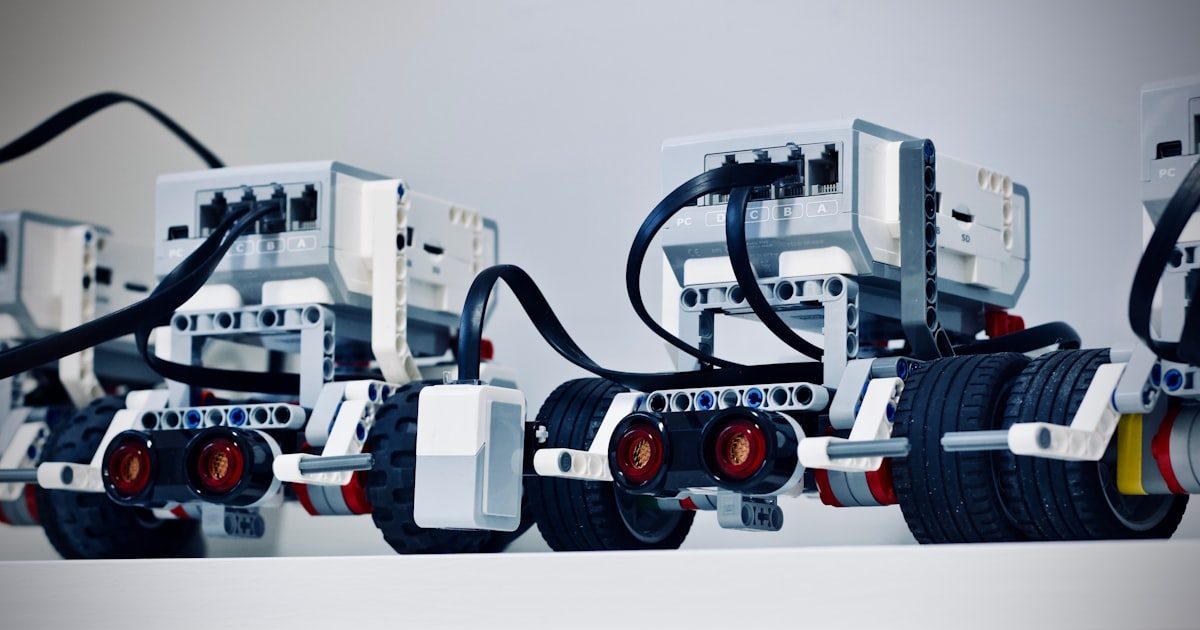
Robotics enrichment has become a fixture of the Singapore education scene, promising to build problem-solving, coding and teamwork skills through hands-on building. This guide is for parents weighing up a robotics class for kids Singapore centres offer and unsure how to tell a genuinely educational programme from an expensive play session. It covers age suitability, the different robotics platforms, competition pathways, class size and trial lessons so you can choose with clear eyes.
We focus on what to look for rather than naming centres or quoting exact fees, because the right robotics class depends on your child’s age, interests and how your family balances fun with academic outcomes.
Matching the class to your child’s age
Robotics is taught very differently across age groups, and a mismatch wastes both money and your child’s interest.
- Preschool and lower primary programmes use chunky, screen-light building kits and simple cause-and-effect logic to build motor skills and early sequencing.
- Upper primary classes introduce programmable robots, sensors and block-based coding, where children build and then program behaviour.
- Secondary level moves towards more advanced platforms, text-based coding and engineering concepts, sometimes with competition in mind.
Ask the centre what a child of your kid’s age actually does in a lesson. A good programme has a clear progression so children move up as their skills grow rather than repeating the same activities.
The main robotics platforms, and what they teach
Different centres build their curriculum around different kits, each with strengths.
Building-block robotics (e.g. Lego-style systems)
These combine construction with motors, sensors and block-based coding. They are intuitive, forgiving and great for younger children, emphasising creativity and mechanical understanding alongside coding.
Competition platforms (e.g. VEX-style systems)
More robust and modular, these target older children and competition teams, teaching sturdier engineering and more structured problem-solving under game rules.
Coding-focused robots
Smaller programmable robots shift the emphasis towards code and logic rather than construction, which suits children more drawn to programming than building.
None is inherently best; what matters is that the platform suits your child’s age and interests and that the teaching builds real understanding rather than copying instructions.
Competition pathways: useful or pressure?
Singapore has an active robotics competition scene, and many centres offer competition tracks.
- Competitions can motivate and stretch keen children, building teamwork, resilience and deadline skills.
- They can also bring pressure, extra cost and time, so they suit children who genuinely enjoy the challenge rather than those pushed into it.
Ask whether competition participation is optional, what extra commitment it involves, and whether the centre’s focus is the experience or trophy-chasing. A balanced centre offers a pathway without making it the only route.
Class size, teachers and the learning environment
The quality of teaching and the ratio of children to instructor shape how much your child actually learns.
- Small class sizes mean each child gets hands-on time with the equipment and individual guidance.
- Knowledgeable, patient instructors who can explain concepts and troubleshoot matter more than fancy kits.
- Enough equipment so children are not idly waiting to share a single robot.
Observe whether children build and program themselves or simply follow a worksheet. Active, guided problem-solving is the point of robotics; passive copying is not.
It also helps to think about how robotics fits your child’s wider week. A class that clashes with rest, play or core schoolwork can do more harm than good, so weigh the commitment honestly. Consider the centre’s location and travel time, since a long commute after school wears children down. And remember that the goal of early robotics is curiosity and confidence with technology, not exam results; a child who stays engaged and keeps wanting to come back will get far more from it over the years than one pushed through a packed, pressured curriculum. To compare centres, browse the STEM enrichment category on WhitePages.sg, or use the wider business directory to find providers near you.
Trial lessons and what to ask
A trial lesson tells you far more than a brochure. Use it to check:
- Whether your child is engaged and challenged, not bored or overwhelmed.
- How the instructor interacts with the children and handles mistakes.
- The curriculum structure and how progression works over terms.
- Practical details such as schedule, make-up class policy and term commitments.
How we suggest evaluating a robotics centre
Robotics enrichment varies enormously in quality, so a consistent set of checks helps you tell a genuinely educational programme from an expensive play session. We suggest comparing each centre against the same questions.
- Is it age-appropriate? Ask exactly what a child of your kid’s age does in a lesson, and whether there is a clear progression as skills grow.
- Does it build real understanding? Watch whether children design and program themselves or simply follow worksheets and copy instructions.
- Is the class small enough? Each child should get hands-on time with a robot and individual guidance, not wait their turn on shared equipment.
- Are the instructors capable? Knowledgeable, patient teachers who can explain and troubleshoot matter more than fancy kits.
- Is competition optional? A good centre offers a competition pathway without pressuring families who simply want their child to learn and enjoy.
Putting each centre through these questions, ideally during a trial lesson, tends to reveal which ones genuinely develop problem-solving skills rather than just keeping children entertained.
Typical pricing in Singapore
Robotics classes are usually billed per term or per package, with fees varying by age level, class length, equipment used and whether materials are included. Competition tracks add cost. Some centres charge a one-time registration or kit fee. Be sure you understand the total term cost, what is included, and the make-up and withdrawal policies before committing, as these vary widely between centres.
Red flags to avoid
- Large classes where children take turns on too few robots.
- Lessons that are mostly following instructions with little real problem-solving.
- Pressure to commit to long packages without a trial lesson.
- Vague answers about curriculum progression or what your child will learn term by term.
- Heavy upselling of competitions or expensive kits regardless of your child’s interest.
Related guides
- Education & Enrichment in Singapore: The Complete Guide
- Best Phonics Classes in Singapore (2026 Guide)
- Best Holiday Camps for Kids in Singapore (2026)
- Best Chess Classes for Kids in Singapore (2026)
- Best Kids’ Enrichment Classes in Singapore (2026)
Frequently asked questions
What age should my child start robotics?
Children can start as young as preschool with simple, screen-light building kits, while programmable robotics and coding typically begin in upper primary. The key is matching the class to your child’s age and developmental stage, so ask the centre exactly what a child of your kid’s age does in each lesson.
Lego-style or VEX-style robotics: which is better?
Neither is universally better. Building-block systems are intuitive and creative, suiting younger children, while competition platforms like VEX-style kits are sturdier and target older children and teams. Coding-focused robots suit children more interested in programming than building. Choose based on age and interest.
Does my child need to join competitions?
No. Competitions can motivate keen children and build teamwork and resilience, but they add cost, time and pressure. They suit children who genuinely enjoy the challenge. A good centre offers competitions as an optional pathway rather than the only route, so confirm participation is not compulsory.
How important is class size?
Very. Small classes give each child hands-on time with the equipment and individual guidance, which is where real learning happens. Large classes with too few robots leave children waiting and watching. Ask about the child-to-instructor ratio and how much equipment is available per lesson.
Will robotics actually help with school?
Robotics builds problem-solving, logical thinking, coding fundamentals and teamwork, which support STEM learning broadly. It is best viewed as enrichment that nurtures curiosity and skills rather than a direct exam booster. The biggest benefit comes when a child genuinely enjoys it and stays engaged over time.
How much do robotics classes cost in Singapore?
Robotics class costs in Singapore depend on the programme level, class size, equipment used and whether competitions are included. Some providers include robot kits in the fees, while others require separate purchase. Term-based programmes are common. Ask about material fees and whether kits can be reused across levels.
Can robotics classes help with coding skills?
Yes, many robotics classes teach coding through block-based or text-based programming, helping children learn logic, sequencing and problem-solving. More advanced classes may introduce Python or other languages. Robotics makes coding more hands-on and engaging. Check the curriculum to see which coding skills are covered at each level.
Are online robotics classes effective for kids?
Online robotics classes can be effective when children have the right kits at home and receive clear guidance. However, hands-on troubleshooting and teamwork are often easier in person. Younger children may need parental support during online lessons. Ask providers how they handle equipment issues and feedback online.


