
Local Guide
Best Scalp Treatment in Singapore (2026 Guide)
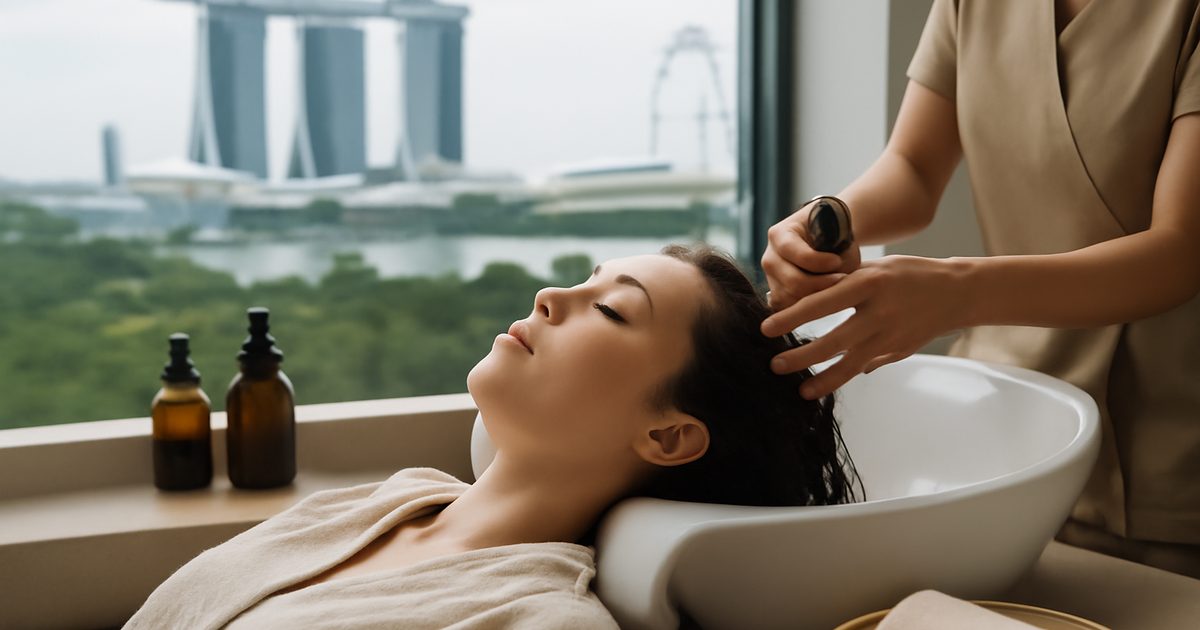
Choosing a scalp treatment in Singapore comes down to matching the service to your actual concern — an itchy, flaky scalp, an oily one that leaves hair limp by midday, sensitivity and redness, or simply the want of a relaxing head spa. This guide is for anyone weighing up the options before booking, whether you suspect dandruff, struggle with build-up in our humid climate, or just want a deep cleanse. We walk through the common treatment types, what genuinely makes a good salon, and the qualitative price tiers so you can shortlist with confidence.
Singapore’s heat and humidity mean scalps here sweat, oxidise styling product and accumulate build-up faster than in cooler climates. That is partly why head spas and scalp clinics have multiplied across the island. The trick is knowing which service addresses your concern — and when a salon is the wrong place to go at all.
Types of scalp treatment and which suits you
The label “scalp treatment” covers a wide range. Knowing the categories helps you book the right thing rather than the most heavily marketed one.
Head spa and deep-cleanse treatments
The most popular category, and largely a wellness service. Expect a thorough cleanse, a scalp massage, sometimes steam, and a treatment mask or serum. A good head spa removes oil and product build-up, eases tension and leaves the scalp feeling fresh. It is ideal for general maintenance, stress relief and oilier scalps, but it is not a cure for a medical condition.
Dandruff and flaking treatments
Aimed at visible flaking and itch. These typically combine an exfoliating cleanse with anti-microbial or soothing actives. They can genuinely help cosmetic, build-up-related flaking. Persistent, severe or painful flaking, however, may be seborrhoeic dermatitis, psoriasis or a fungal issue — conditions that warrant a doctor, not a salon (more on that below).
Oily and clogged-follicle treatments
Designed for scalps that feel greasy quickly or where pores look congested. Deep clarifying cleanses and clay or charcoal-based masks help. Consistency matters more than any single dramatic session.
Sensitive and soothing treatments
For redness, tightness or reactive scalps, the priority is gentle, fragrance-light products and a light touch. Always flag known allergies and ask for a patch test if you are prone to reactions.
Trichology versus a salon head spa
This is the most important distinction to understand. A salon head spa is a cosmetic, feel-good service performed by hairstylists or therapists — wonderful for relaxation and routine cleansing. A trichology centre focuses on hair and scalp health more clinically, often with scalp scanning, structured programmes and consultations targeting concerns such as thinning or chronic scalp conditions.
Neither replaces a medical professional. Trichologists are not doctors, and a head spa is not a diagnosis. Use a salon for maintenance and pampering, consider a reputable trichology programme for structured scalp-health support, and see a doctor for anything that looks medical.
If you are experiencing persistent or sudden hair loss, bald patches, sores, severe itching, pain, or flaking that does not settle, see a GP or a dermatologist. Medical hair loss and scalp conditions need proper diagnosis — a salon treatment cannot fix them and may delay appropriate care.
What makes a good scalp treatment salon
Once you have matched a service type to your concern, judge providers on substance rather than marketing.
- A proper consultation — a good salon asks about your concern, products you use, and any sensitivities before recommending anything, rather than upselling a fixed package on arrival.
- Hygiene — clean basins, fresh towels per client, sanitised tools and a tidy treatment area. Build-up removal is pointless in an unhygienic setting.
- Transparent products — staff who can tell you what they are applying and why, and accommodate allergies or a patch test.
- Honest scope — a trustworthy salon will tell you when your concern is beyond their remit and suggest you see a doctor, rather than promising to “treat” hair loss.
- Experienced therapists — a confident, gentle scalp massage and cleanse is a learned skill; experience shows in the comfort of the session.
To compare options across neighbourhoods, browse the hair salons category and shortlist a few near your home or office.
Typical pricing in Singapore
Prices vary widely by salon positioning, treatment depth and location, so treat these as broad tiers and always confirm current rates and exactly what is included before booking.
- Entry tier — a basic head spa or single-session cleanse at a neighbourhood salon. The most affordable way to try the experience, often with add-on options.
- Mid tier — a more comprehensive treatment with scalp analysis, massage and a targeted mask or serum, typically at established salons or wellness-focused spas.
- Premium tier — extended sessions, advanced scalp scanning, branded product lines, or multi-session trichology programmes. Programmes are usually sold as packages, so work out the per-session cost.
Be wary of large upfront packages pitched as a “cure”. For a one-off concern, start with a single session before committing. You can compare salons and read more local guides via the WhitePages directory.
Red flags to avoid
- Medical claims — any salon promising to “cure” dandruff, “regrow” hair or “reverse” hair loss is overreaching. Those are medical matters.
- High-pressure package selling — being pushed into a costly multi-session bundle before a single trial is a classic warning sign.
- No consultation — applying products without asking about sensitivities or your concern.
- Vague pricing — refusing to quote until you are in the chair, or unclear about what each session includes.
- Poor hygiene — reused towels, dirty basins or unsanitised tools.
Related guides
- Beauty & Wellness in Singapore: The Complete Guide
- Best Keratin Treatment in Singapore (2026 Guide)
- Hair Rebonding Cost in Singapore (2026)
- Kids’ Haircuts in Singapore: How to Choose
- Best Hair Rebonding in Singapore (2026 Guide)
Frequently asked questions
Will a scalp treatment stop my hair loss?
No. A scalp treatment or head spa can improve scalp condition and comfort, but it cannot treat medical hair loss. Persistent or sudden hair loss, thinning or bald patches should be assessed by a GP or dermatologist, who can identify the cause and recommend appropriate, evidence-based treatment.
How often should I get a scalp treatment?
For general maintenance, many people find once a month comfortable, while oilier or build-up-prone scalps may benefit from more frequent sessions. Your salon should recommend a cadence based on your scalp rather than a fixed sales target. Consistent home care between visits matters more than any single treatment.
What is the difference between a head spa and a trichology treatment?
A head spa is a cosmetic, relaxing cleanse-and-massage service. A trichology programme is more clinically focused on hair and scalp health, often with scanning and structured sessions. Neither is a medical service — see a doctor for diagnosed or suspected medical conditions.
Can a scalp treatment fix dandruff?
It can help cosmetic flaking caused by build-up or dryness. Persistent, severe or itchy flaking may be a medical condition such as seborrhoeic dermatitis, which needs a doctor’s care. If flaking does not settle after a couple of treatments, see a GP rather than booking more sessions.
Are scalp treatments safe for sensitive or reactive scalps?
Generally yes, provided you choose a soothing treatment, disclose your sensitivities, and ask for a patch test with any new product. A reputable salon will adjust products and pressure for a reactive scalp. Stop immediately and seek advice if you experience burning, severe itching or a rash.
How much does a scalp treatment cost in Singapore?
Prices vary depending on the treatment type, length and provider. A relaxing head spa at a salon is usually cheaper than a trichology programme at a specialised centre, which may include scalp analysis and multiple sessions. Packages are common, so check how many sessions are recommended and what each includes before committing.
What causes an oily or itchy scalp in Singapore?
Singapore’s heat and humidity can increase sweat and oil production, which may contribute to oiliness, itching and flaking. Other causes include product build-up, infrequent washing, stress and conditions such as seborrhoeic dermatitis. Gentle cleansing and scalp-friendly products can help. Persistent itching, redness or flaking should be checked by a doctor or dermatologist.
When should I see a dermatologist instead of getting a scalp treatment?
See a dermatologist if you have sudden or patchy hair loss, persistent redness, painful bumps, severe flaking or itching that does not improve. These may indicate medical conditions that need diagnosis and treatment. Salon or spa scalp treatments are best for general care and relaxation, not for treating underlying medical problems.


