
Local Guide
Best Spin & Indoor Cycling Studios in Singapore: How to Choose
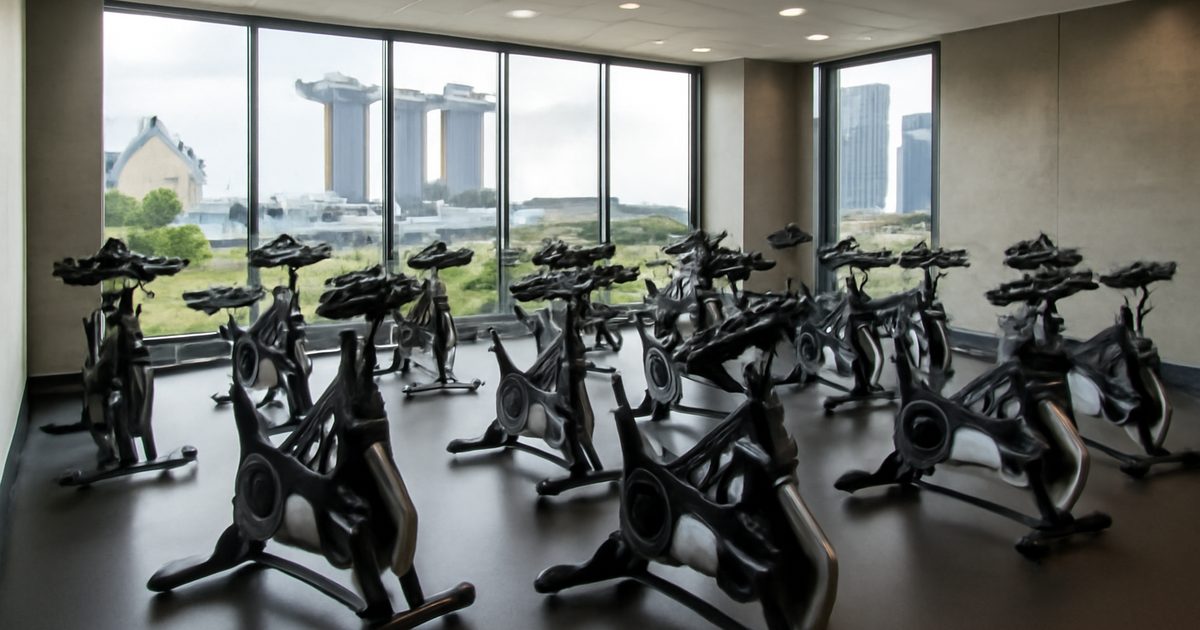
Finding the right spin class in Singapore comes down to matching the studio’s style to what you actually want — a sweaty, music-led party on a bike, or a structured ride that tracks your output watt by watt. This guide is for anyone weighing up boutique studios against gym classes, trying to make sense of class packs versus memberships, or simply nervous about clipping into their first bike. We will walk through the formats, the costs and the practical details so you can book your first ride with confidence.
Boutique spin studios vs gym group classes
The first decision is where you ride. Both options put you on a stationary bike in a group setting, but the experience differs sharply.
Boutique studios are built entirely around indoor cycling. Expect a dark, club-like room, a serious sound system, candle-lit or LED lighting, and an instructor on a raised podium leading every move. The bikes are usually high-end, the towels and amenities are included, and the vibe leans social and energetic. The trade-off is price — you pay a premium for the production value.
Gym group classes come bundled with a general gym membership. The room is usually brighter and more functional, class sizes can be larger, and the bikes are sturdy but rarely top-tier. If you already pay for a gym and want spin as one option among many — alongside weights, yoga or a pool — this is the more economical route. The atmosphere is typically less theatrical, which some riders prefer.
Rhythm cycling vs performance (power) cycling
Spin is not one thing. Studios broadly fall into two camps, and knowing which you are walking into matters more than the brand on the door.
Rhythm cycling
Here the ride is choreographed to the beat. You pedal in time with the music, add upper-body moves like taps and presses, and the instructor builds a sense of collective momentum. Metrics take a back seat — there may be no screen showing your numbers at all. It is fun, cardio-heavy and forgiving for beginners who just want to move and sweat without analysing data. If you love a strong playlist and want the class to feel like a workout disguised as a night out, rhythm cycling is your lane.
Performance or power cycling
Performance studios treat the bike as a training tool. Each bike has a console showing cadence (RPM), resistance and power output (watts), and your numbers may appear on a leaderboard. Classes are structured around intervals, climbs and sprints with measurable targets. This format suits people training for endurance events, anyone who likes to see progress in hard numbers, and riders who want a genuine fitness benchmark. It is less about the choreography and more about the effort.
Class packs vs membership: choosing how to pay
Most spin in Singapore is sold by the class rather than as a flat-rate gym tier, so understanding the pricing structures saves real money.
- Single drop-in: the most expensive per class, but the right call for a one-off try or a guest visit. Many studios offer a discounted first-timer or intro rate, so always ask before paying full price.
- Class packs (credits): you buy a bundle — say 5, 10 or 20 rides — and the per-class cost drops as the pack grows. Most packs carry an expiry window, so be realistic about how often you will actually attend before committing to a large bundle.
- Unlimited membership: a monthly fee for as many classes as you can take. This only pays off if you ride several times a week; do the simple maths against a pack before signing up.
- Aggregator passes: multi-studio subscription apps let you book spin alongside other fitness classes across many venues. Handy if you like variety or want to sample several studios, though popular peak slots can book out quickly and some studios cap how many aggregator spots they release.
A practical approach: start with a single intro class or a small pack, confirm you enjoy the format and the commute, then scale up to the structure that fits your actual frequency.
Shoes, cleats and what to bring
Spin bikes use clip-in pedals, which lock special cycling shoes to the bike for a more efficient, secure pedal stroke. You do not need to own a pair to start.
Nearly every boutique studio offers shoe rental, often included in the class price or available for a small fee. Reception will set you up and show you how to clip in and — importantly — how to clip out by twisting your heel outward. Check the cleat system the studio uses; most use a standard road-style fitting, so if you buy your own shoes later, match the cleat type. Some gym classes use bikes with toe cages instead, letting you ride in normal trainers, so confirm in advance if you would rather not clip in at all.
Otherwise, bring moisture-wicking clothing, your own water bottle (many studios sell or refill them), and a hair tie. Most boutique studios provide towels and basic amenities; gym classes may expect you to bring your own.
Tips for first-timers
- Arrive 15 minutes early. You will need time to collect shoes, set up your bike and learn to clip in without holding up the class.
- Get your bike fitted. Saddle height roughly level with your hip, and handlebars at a comfortable reach. Ask staff — a poor setup is the main cause of knee and lower-back niggles.
- Ride your own ride. You control the resistance dial. Ignore the leaderboard on day one and dial back if you need to; nobody expects a beginner to match a regular.
- Hydrate and sit at the back. A spot near the rear lets you follow others and learn the cues without feeling exposed.
- Expect saddle soreness. It eases after a few rides as you adapt. Padded shorts help if it lingers.
Where spin studios cluster, and what it costs
Indoor cycling studios in Singapore concentrate in the central areas — the CBD, Tanjong Pagar, Orchard and the Bras Basah/City Hall belt — where office crowds fuel early-morning and after-work classes. You will also find well-established studios around Tiong Bahru, Holland Village and the East Coast/Katong stretch, with newer outlets appearing in heartland hubs near MRT interchanges. If you ride before or after work, pick a studio on your commute line; a long journey is the quickest way to abandon a class pack.
On pricing, boutique single classes sit at the higher end of the fitness-class range, with the per-class cost falling noticeably when you buy a pack and falling further on unlimited memberships if you attend frequently. Gym-bundled spin is generally the cheapest way in since the class is included in your existing membership. Shoe rental, when charged separately, is a modest add-on. Always check for first-timer intro offers, which can substantially lower the cost of your first ride.
To compare studios across these areas, browse the gyms and fitness studios category or search the full WhitePages.sg directory. If a low-impact, strength-focused option appeals more than high-intensity cardio, our guide to the best Pilates studios in Singapore is a useful companion read.
Related guides
- Fitness & Sports in Singapore: The Complete Guide
- Best Spin Studios in Singapore (2026 Guide)
- Best Treadmills in Singapore (2026)
- Best Gyms in Singapore: How to Choose
- Best Climbing Gyms in Singapore (2026 Guide)
Frequently asked questions
Is a spin class good for beginners?
Yes. Spin is low-impact on the joints and entirely self-paced — you set your own resistance, so you work as hard or as gently as you like. Choose a rhythm-style or clearly labelled beginner class for your first ride, arrive early to set up your bike, and let staff help you clip in. Most people find their second and third classes far easier as their body adapts.
How much does a spin class cost in Singapore?
A single boutique class is among the pricier fitness options, but the per-class cost drops when you buy a class pack and drops further on an unlimited membership if you ride often. Gym-bundled classes are usually the cheapest because they are included in your membership. Look out for first-timer intro rates, which can significantly cut the cost of trying a studio.
What should I wear to a spin class?
Wear breathable, moisture-wicking activewear — fitted leggings or shorts and a top that lets you move. You will sweat heavily, so avoid heavy cotton. The studio supplies clip-in cycling shoes for rent; bring a water bottle and a hair tie, and consider padded shorts if the saddle feels uncomfortable at first.
Do I need my own cycling shoes?
No. Almost every boutique studio rents clip-in shoes, often included in the class price, and staff will show you how to clip in and out. If you become a regular and want your own pair, simply match the cleat system your studio uses. Some gym classes use toe-cage pedals that work with ordinary trainers, so you can skip clipping in altogether there.
How often should I do spin to see results?
Two to three classes a week is a sensible starting point for noticeable cardiovascular and endurance gains, paired with rest days and ideally some strength work. Consistency matters more than intensity early on, so build a routine you can sustain. If you plan to ride three or more times weekly, an unlimited membership often works out cheaper than buying packs.
What should first-timers expect at a spin class?
Expect a high-energy class with music, lighting and an instructor guiding you through intervals, climbs and sprints. Arrive about 15 minutes early so staff can help set up your bike and clip-in shoes. Go at your own pace, adjust the resistance to suit your fitness, and drink water throughout, as classes can be intense.
Is spin good for weight loss?
Spin can support weight loss because it is a high-intensity cardio workout that burns energy and builds leg strength and endurance. Results depend on how often you train, your diet and overall activity. Combine spin with strength training and balanced eating for best results, and allow rest days to recover and avoid overuse injuries.
Is spinning bad for your knees?
Spinning is generally low-impact and can be easier on the knees than running, but poor bike setup or too much resistance can cause knee pain. Ask the instructor to help set your saddle height and position correctly. If you have existing knee problems, check with a doctor or physiotherapist before starting and listen to your body.


