
Local Guide
Best Swimming Lessons in Singapore (2026 Guide)
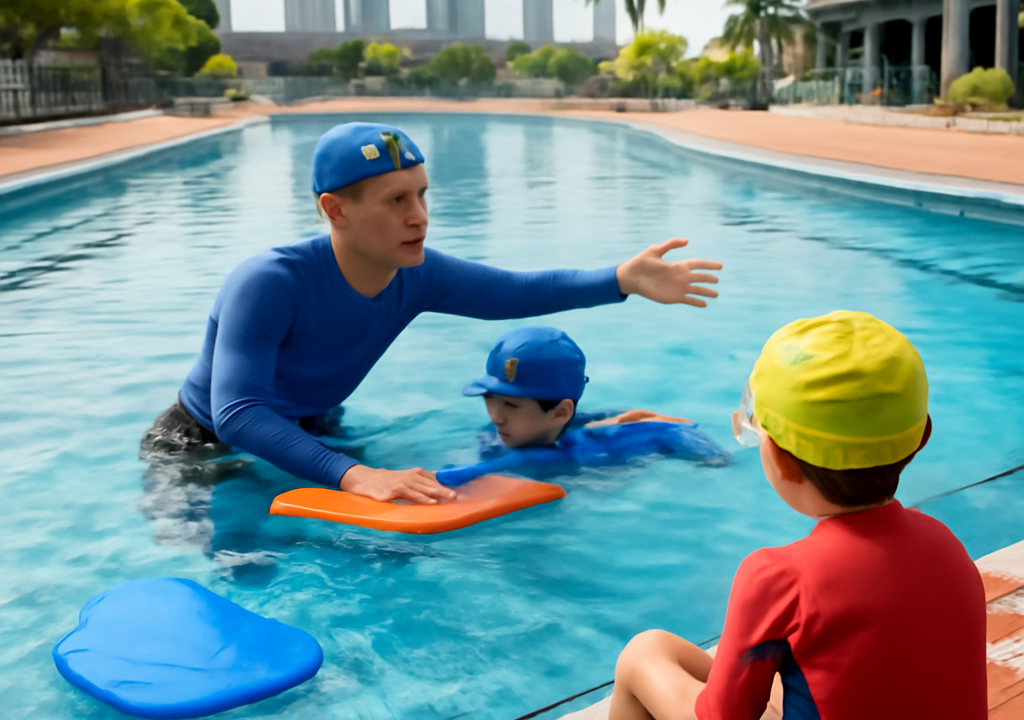
In a country surrounded by water and full of pools, learning to swim is less a hobby than a life skill — which is why choosing the right swimming lessons in Singapore matters so much. This guide is for parents enrolling a child, adults who never learned, and anyone wanting to sharpen their stroke. Rather than ranking named schools, we explain the criteria that separate a safe, structured programme from a casual one, so you can judge any provider on its merits.
The right lesson for a nervous four-year-old is very different from the right lesson for an adult preparing for a triathlon, so start by being clear about who is learning and why. To compare options, browse our swimming lessons listings.
What to look for in swimming lessons
Singapore has a deep pool of instructors and schools, with quality varying widely. Run through these criteria before you enrol.
The SwimSafer programme
For children, the national SwimSafer programme is the benchmark. It is Singapore’s water-survival and swimming-proficiency framework, structured into progressive stages that build from basic water confidence to competent swimming and self-rescue skills. Many reputable schools teach towards SwimSafer stages, which gives you a clear, recognised measure of progress rather than a vague promise that your child is “improving”.
The right class for the swimmer’s age and level
Programmes are typically split by age and ability — infant or parent-accompanied classes for the very young, children’s lessons grouped by stage, and adult classes for beginners or improvers. Infant programmes focus on water familiarisation and safety rather than stroke technique, while adult beginner classes often need an instructor experienced in coaching nervous or anxious learners. Make sure the class genuinely matches the swimmer in front of you.
Private versus group lessons
Private one-to-one lessons offer focused attention and faster progress, and suit nervous swimmers or those with a specific goal. Group lessons are more affordable and add a social, motivating element, though each swimmer gets less individual correction. Small-group classes are a sensible middle ground. Decide which balance of cost, pace and attention fits your situation.
Pool location and type
Lessons run at public pools (ActiveSG), condo pools and private facilities. ActiveSG pools are widely accessible and well maintained, though busier; condo lessons are convenient if the instructor can teach at your development, but you will need to check your management’s rules on external coaches. Consider travel time, pool depth suitability for the learner, and how crowded the venue gets at your preferred slot.
Typical pricing in Singapore
Swimming lessons in Singapore are usually priced per session or per term, and the model varies by format.
- Group lessons are generally the most affordable per session, with several swimmers sharing one instructor.
- Private lessons cost more per session but deliver concentrated attention and typically faster progress.
- Semi-private or small-group rates fall between the two and split the cost across two or three learners.
- Term-based packages bundle a block of lessons, sometimes at a better effective rate, though they assume the instructor and slot suit you.
Pool entry fees at ActiveSG facilities are usually modest and may be charged separately from instruction. Private or condo-based lessons can carry a premium for convenience. Rather than focusing on the cheapest headline rate, weigh it against class size, instructor experience and how structured the curriculum is — a well-run group class can offer better value than a rushed private one.
How we evaluate good swimming lessons
When assessing swimming schools and instructors for the directory, we look at what actually keeps learners safe and progressing.
Instructor accreditation
Credible instructors hold recognised coaching or instructor accreditation and, ideally, current first-aid and lifesaving qualifications. Ask whether the instructor is certified to teach the SwimSafer stages your child is working towards. A professional school will be transparent about its coaches’ credentials.
Structured, progressive curriculum
Good lessons follow a clear progression — water confidence, breathing, kicking, then strokes — with measurable milestones rather than ad-hoc drills. For children, alignment with SwimSafer stages is a strong indicator of structure.
Safety and supervision ratios
Class sizes should be small enough for the instructor to supervise everyone safely, especially with young or beginner swimmers. Reasonable instructor-to-student ratios are a hallmark of a responsible programme.
Patience and a track record with nervous learners
Whether teaching a frightened child or a self-conscious adult, the best instructors are patient and build trust before pushing technique. A consistent reputation for this across many learners is more telling than a single glowing review.
Red flags to avoid
- No verifiable instructor accreditation, or vagueness about coaching qualifications.
- Oversized classes where the instructor cannot safely watch every swimmer.
- No clear curriculum or milestones — just unstructured pool time with little measurable progress.
- Pressure to pay for a long-term package before you have seen how the instructor teaches.
- Casual attitude to safety — poor supervision, or pushing a frightened learner too hard, too fast.
- No first-aid or lifesaving certification among the coaching staff.
A quick check of accreditation, class size and curriculum will steer you towards a safe, effective programme. When you are ready to compare schools, start with our Singapore swimming lessons listings or explore the wider WhitePages.sg directory for related fitness and sports services.
Related guides
- Fitness & Sports in Singapore: The Complete Guide
- Swimming Lessons in Singapore: A Parent’s Guide
- Swimming Lesson Prices in Singapore (2026 Guide)
- Swimming Lessons for Adults in Singapore: How to Choose
- Private vs Group Swimming Lessons in Singapore
Frequently asked questions
What is SwimSafer and why does it matter?
SwimSafer is Singapore’s national water-survival and swimming-proficiency programme, structured into progressive stages that take a learner from basic water confidence to competent swimming and self-rescue. It matters because it gives parents a clear, recognised measure of a child’s progress rather than a vague assurance of improvement. Many reputable schools teach towards SwimSafer stages, so ask whether a programme is aligned with it.
Are private or group swimming lessons better?
Neither is universally better — it depends on the swimmer. Private lessons give focused, one-to-one attention and usually faster progress, which suits nervous learners or those with a specific goal, but cost more per session. Group lessons are more affordable and add a motivating social element, though each swimmer gets less individual correction. Small-group classes offer a middle ground worth considering.
At what age can my child start swimming lessons?
Many schools offer parent-accompanied infant programmes from a young age, focused on water familiarisation and safety rather than stroke technique. Structured stroke-based lessons typically begin once a child is a little older and able to follow instructions. The right starting point depends on your child’s comfort in water, so look for a programme designed for their specific age group.
Can adults who never learned to swim still take lessons?
Absolutely. Many schools run adult beginner classes, and the most important factor is an instructor experienced in coaching nervous or anxious adult learners. A patient instructor who builds water confidence gradually makes a significant difference. Private or small-group adult lessons are a good choice if you would feel self-conscious in a larger class.
Should I choose lessons at a public pool or my condo?
Public ActiveSG pools are widely accessible and well maintained, though they can be busy, while condo lessons are convenient if an instructor can teach at your development. If you go the condo route, check your management’s rules on external coaches and confirm the pool’s depth suits the learner. Weigh travel time and crowd levels at your preferred slot when deciding.


