
Local Guide
Best Taekwondo Classes in Singapore (2026 Guide)
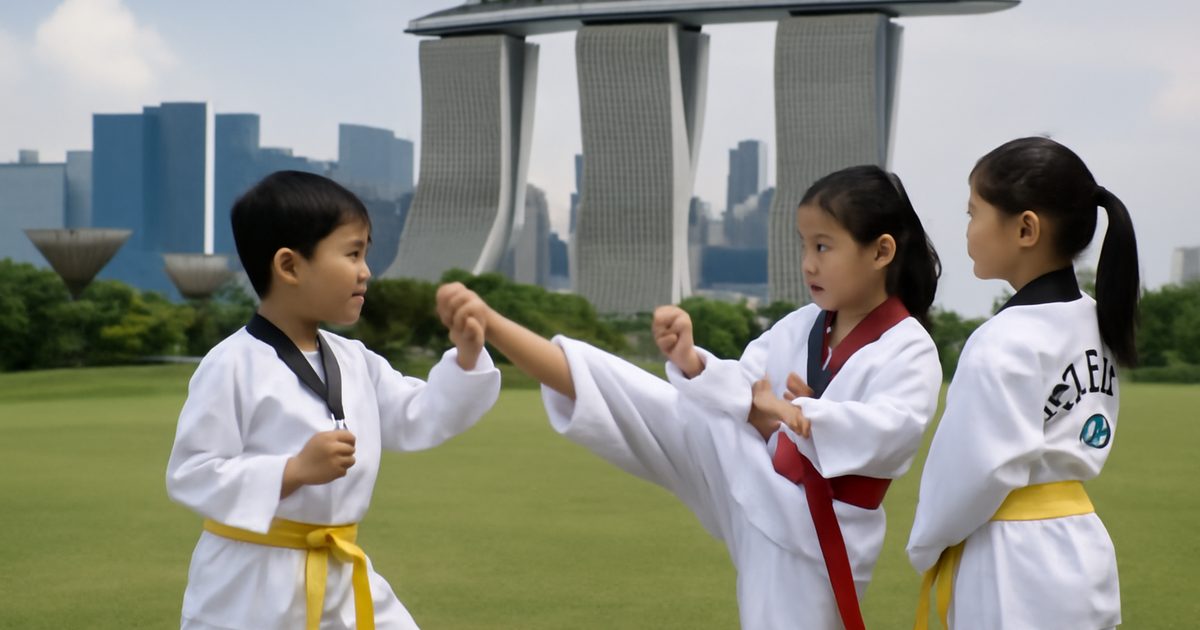
Taekwondo is one of the most popular martial arts for children here, and a growing number of adults take it up too. If you are choosing a taekwondo singapore school for yourself or your child, this guide explains how to assess instructors, belt grading, class structure and value. We keep the advice qualitative so it applies to any dojang you are considering.
The right school matches the class to the student’s age and goals, has credible instructors, and balances discipline with enjoyment. Here is what to look for before signing up.
What to look for in a taekwondo school
Reputable schools are open about their affiliations, instructors and grading. Use these criteria to compare them on substance.
Kids versus adult classes
Children’s classes blend fundamentals with games, discipline and confidence-building, paced for short attention spans. Adult classes focus more on technique, fitness, sparring and self-defence. Some schools run family classes, but the best ones stream by age and level so each student is appropriately challenged and safe.
Instructor credentials
Ask about the instructor’s black-belt grade, teaching experience and affiliation with a recognised governing body. A high personal grade does not always mean a good teacher, so look also for the ability to explain, correct and motivate. Experience teaching your age group, especially young children, matters a great deal.
Style and affiliation
Taekwondo has different styles and federations, with some more sport- and sparring-oriented and others more traditional. If your goal is competition, a sport-focused school affiliated with a recognised body is important for grading and tournament eligibility. For fitness and discipline, the style matters less than the teaching quality.
Class size and safety
Smaller classes give more correction and safer sparring. Look for proper protective gear during contact work, well-maintained mats, and instructors who supervise sparring closely. Sensible warm-ups and a culture of control over aggression are signs of a well-run school.
Belt grading and progression
Belt grading gives structure and motivation, but be wary of schools where every student passes effortlessly and gradings come thick and fast. A credible grading system tests genuine skill, knowledge of patterns and, where appropriate, sparring, with standards that rise meaningfully at each level.
Ask how often gradings happen and whether there are examination fees and new belt costs each time. For children, the steady sense of progress is motivating, but the value lies in the skill earned, not the colour collected. A school that holds standards produces more capable students and a black belt that means something.
Typical pricing in Singapore
Taekwondo is usually billed monthly or per term, with community-centre and CCA-style classes typically more affordable than dedicated private dojangs. Grading examination fees, the uniform, and protective sparring gear are usual additional costs to factor in.
Class frequency affects both progress and price, with most schools offering one or more sessions a week. Group classes are economical, while private or small-group coaching costs more and suits faster or competition-focused progress. Always check whether a trial class is free before committing to a term or package.
What students gain beyond kicks
For many families, the real value of taekwondo is not the kicks but what surrounds them. The structure of bowing in, lining up and following a graded curriculum teaches discipline and respect in a way that appeals to parents of energetic children. The steady progression through belts gives children a tangible sense of achievement, building confidence that often carries into schoolwork and other activities.
For adults, the appeal is frequently fitness and stress relief alongside the technical challenge. The combination of cardio, flexibility and focused practice makes for a workout that does not feel like a chore, and the social aspect of training with the same group week after week keeps motivation high. Self-defence awareness is a genuine benefit too, though a responsible school frames it as confidence and control rather than aggression.
It helps to set expectations before you start. Early sessions focus on stances, basic kicks and patterns, and progress feels gradual rather than instant. The students who thrive are those who treat it as a long-term practice rather than a quick fix. A good school nurtures that patience, celebrating small improvements and keeping the atmosphere positive so that beginners, especially nervous children, want to keep coming back.
How we evaluate a good taekwondo school
We weight teaching quality, safety and honest grading above trophies on the wall. A trial class reveals the most: watch whether the instructor engages students, corrects technique, and maintains discipline without fear, and whether students of similar level train together.
A good belt is earned, not given. Schools that hold their grading standards produce students whose skill matches their rank.
Notice how the school handles younger or nervous students, how sparring is supervised, and how clearly the school communicates about schedules and fees. To compare local schools, browse the martial arts category on WhitePages.sg.
Where to find taekwondo classes
Taekwondo is widely taught across Singapore, and the setting affects both cost and atmosphere. Community clubs and CCs run accessible, affordable classes close to home, making them a popular starting point for families. Dedicated dojangs and martial arts academies offer a more focused environment with a full grading pathway and, often, a stronger competitive track for those who want it.
Schools frequently offer taekwondo as a co-curricular activity, which is convenient for students though tied to the school calendar. Some instructors also teach across several venues, so if you find a teacher you click with, you may be able to follow them. Proximity matters more than people expect, since a class near home or school is one you will attend consistently, and consistency is what drives progress in any martial art.
When choosing where to train, weigh the convenience of a nearby community class against the depth a dedicated academy may offer, based on your goals. A casual learner seeking fitness and discipline is well served by an accessible local class, while someone aiming for serious grading or competition may prefer a specialist school. To explore schools and other activities near you, you can also browse the wider WhitePages.sg directory.
Preparing for your first class
Starting taekwondo is straightforward, and a little preparation eases first-day nerves. Most beginners train barefoot in comfortable, loose clothing before buying the formal uniform, so you do not need to invest in gear before you have tried a class. Bring water, arrive early to introduce yourself, and let the instructor know you are new so they can guide you appropriately.
Everyone starts as a white belt. The students who progress are simply the ones who keep turning up and embrace the basics with patience.
Expect the first sessions to focus on stances, basic blocks and kicks, and the etiquette of the dojang. Progress feels gradual, and that is normal; the fundamentals you build early are what everything else rests on. Approaching it with patience, rather than expecting to spar on day one, sets you up to enjoy the journey.
Red flags to avoid
- Belts handed out too easily. Frequent, undemanding gradings inflate rank without skill.
- Overcrowded classes. Too many students per instructor means little correction and riskier sparring.
- No trial class. A confident school lets you observe or try a session first.
- Vague instructor background. Credible schools are happy to share grades and affiliations.
- Aggressive sales tactics. Pressure to commit to long contracts upfront is a warning sign.
If you are comparing martial arts options near you, you can also explore schools through the WhitePages.sg directory.
Related guides
- Fitness & Sports in Singapore: The Complete Guide
- Best BJJ Gyms in Singapore (2026 Guide)
- Boxing Gyms in Singapore: How to Choose
- Muay Thai Gyms in Singapore: How to Choose
- Best Boxing Gyms in Singapore (2026 Guide)
Frequently asked questions
What age can my child start taekwondo?
Many schools accept children from around preschool or early primary age, with classes that blend fundamentals, games and discipline at a pace suited to young learners. Choose a school that streams by age and level so your child trains with peers of similar stage.
Can adults start taekwondo as beginners?
Yes. Many schools run dedicated adult classes that welcome complete beginners and focus on technique, fitness, sparring and self-defence. Starting as an adult is common, and a good instructor will pace your progress sensibly regardless of age.
How does belt grading work?
Students progress through coloured belts toward black belt by passing gradings that test technique, patterns and often sparring. Be cautious of schools where everyone passes easily, since credible grading holds rising standards and makes each belt genuinely earned.
How much do taekwondo classes cost?
Classes are usually billed monthly or per term, with community-centre classes generally more affordable than private dojangs. Budget for grading examination fees, a uniform and protective sparring gear, and check whether a trial class is free before committing.
How do I choose between taekwondo schools?
Prioritise teaching quality, safety, honest grading and convenient location over trophies or marketing. Attend a trial class to see how the instructor teaches and supervises, ask about credentials and affiliations, and talk to current students or parents about their experience.


