
Local Guide
Where to Buy Car Tyres in Singapore: A Buyer’s Guide
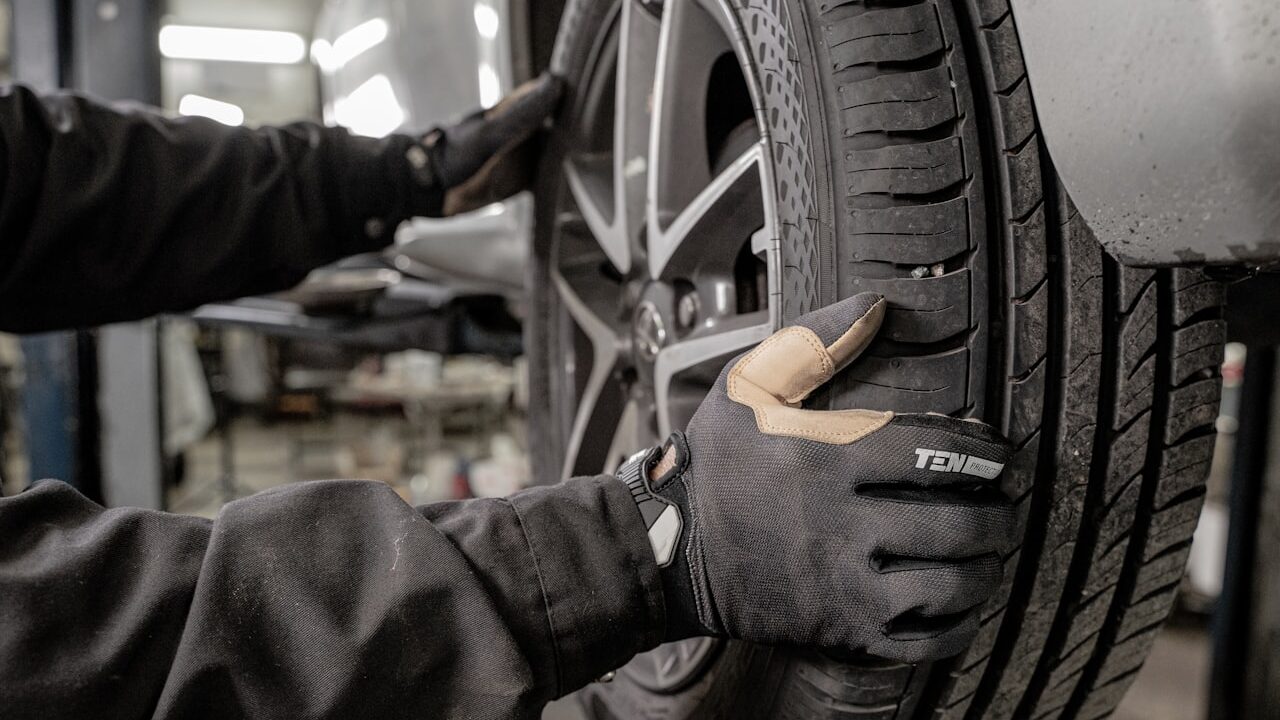
Buying car tyres in Singapore can feel like a leap of faith. You are quoted a price over the phone, you turn up at a shop, and ten minutes later there is talk of alignment, balancing, nitrogen and a “better brand”. This guide is for everyday drivers who want to understand what they are paying for, how to read a tyre, know when to change, and pick a shop that does the job properly without padding the bill.
Tyres are the only thing connecting your car to the road, and on Singapore’s expressways and wet-season downpours they matter more than most accessories you will ever buy. Once you know what to look at, the exercise becomes straightforward.
Understanding tyres: reading the sidewall
Every tyre carries its specification stamped on the sidewall. A typical marking looks like 205/55 R16 91V. It is less cryptic than it appears:
- 205 — the tread width in millimetres.
- 55 — the aspect ratio, meaning the sidewall height is 55% of the width. A lower number means a shorter, stiffer sidewall.
- R — radial construction (almost all modern car tyres).
- 16 — the rim diameter in inches that the tyre fits.
- 91 — the load index (how much weight each tyre can carry).
- V — the speed rating (the maximum speed the tyre is rated for).
The simplest rule: match what is already on your car, or what the manufacturer specifies on the placard inside the driver’s door jamb. A wildly different size affects speedometer accuracy, handling and ride comfort, and can complicate LTA inspection if it deviates from the registered specification.
Treadwear, grip and what the ratings mean
Many tyres carry a UTQG code — treadwear, traction and temperature ratings. A higher treadwear number suggests a longer-lasting compound, often trading away a little ultimate grip. For Singapore’s stop-start traffic and frequent rain, wet grip and durability matter more than the last percent of dry performance.
Tyre types: comfort vs performance vs fuel-efficient, and run-flats
There is no single “best” tyre — only the right tyre for how you drive:
- Comfort / touring tyres prioritise a quiet, soft ride. Ideal for family cars and daily commuting on the PIE or CTE.
- Performance tyres use softer, grippier compounds for sharper handling. They wear faster and can be noisier — a fair trade only if you genuinely value the handling.
- Fuel-efficient (low rolling resistance) tyres reduce the energy lost as the tyre rolls, which can help economy and EV range — a sensible default for cost-conscious drivers.
- Run-flats let you drive a limited distance after a puncture, with no spare needed. Common on some European cars, they ride firmer and cost more to replace. If your car came with run-flats and has no spare wheel, stick with them unless you fit a repair kit.
When to change your tyres
Three things drive the decision: tread depth, age and wear pattern.
Tread depth and the legal 1.6mm minimum
In Singapore, the minimum legal tread depth is 1.6mm across the tyre. Below that your car can fail LTA periodic inspection, and grip in the wet is compromised long before the tyre is bald. Most tyres have moulded tread-wear indicators — small raised bars in the grooves; when the tread is flush with those bars, the tyre is at the limit. Many drivers change well before 1.6mm, because wet braking falls off sharply in the last couple of millimetres. A proper depth gauge or an honest shop is more reliable than the 20-cent coin trick.
Age
Rubber ages, so a tyre several years old can lose grip and develop fine cracks regardless of mileage — relevant in Singapore’s heat and for low-mileage cars. Check the manufacturing date (see below) and treat very old tyres with suspicion even if they “look fine”.
Uneven wear
If the tyre is worn more on one edge, feathered or cupped, that points to an alignment, suspension or inflation problem — not just normal wear. Fitting fresh tyres without fixing the cause simply wears the new set the same way, so ask the shop to investigate it.
What tyre shops offer
A full-service tyre shop does more than swap rubber:
- Supply and fit — selling the tyre, mounting it on the rim, and disposing of the old one.
- Wheel balancing — adding small weights so the wheel spins without vibration; done every time a tyre is fitted.
- Wheel alignment — adjusting the wheel angles so the car tracks straight and tyres wear evenly. Strongly recommended with a new set, or any time you notice pulling or uneven wear.
- Nitrogen inflation — a paid add-on; it holds pressure slightly more stably, but plain air checked regularly is fine for most drivers.
- Tyre rotation — swapping front and rear tyres periodically to even out wear and extend the life of the set.
Tyre specialists in Singapore tend to cluster in a few industrial pockets — Sin Ming (the long-standing “car hub” off Sin Ming Avenue), Kaki Bukit and the Ubi area in the east. Clustering works in your favour: you can compare quotes within walking distance and shops compete on price and service. Our tyres & wheels category archive lists shops across the island, and the full WhitePages business directory lets you cross-check workshops by area.
What to look for in a tyre shop
- Genuine new tyres and the manufacturing date. Every tyre has a four-digit DOT date code on the sidewall — for example “2425” means the 24th week of 2025. Insist on recently manufactured tyres; you should not be sold rubber that is already a few years old as “brand new”.
- Fair, transparent pricing. A good shop quotes the tyre, fitting, balancing and disposal clearly, and tells you upfront whether alignment is extra.
- Alignment included or offered. The best shops check alignment as part of a new-tyre fit, or at least recommend it and show you the readings.
- Warranty. Reputable tyres come with a manufacturer warranty against defects, and good shops stand behind their fitting. Ask what is covered and get it in writing on the invoice.
If you are weighing up a workshop more broadly, our guide on choosing a car workshop in Singapore covers the same trust signals for servicing and repairs.
Typical pricing context in Singapore
Tyre prices vary enormously by size, brand tier and tyre type, so treat any single number with caution. As a guide to how the costs stack up:
- Smaller, common sizes on budget and mid-tier brands sit at the lower end; large-diameter, performance or run-flat tyres cost considerably more per piece.
- Premium brands command a clear premium over value brands for the same size — sometimes justified by longevity and wet grip, sometimes not for a modest daily car.
- Wheel balancing is usually a modest per-wheel charge, often bundled with fitting; wheel alignment is a separate one-off charge for the car.
- Nitrogen and disposal are small add-ons — fine to accept, but they should be itemised, not slipped in.
Always get the full out-the-door price — tyres, fitting, balancing, alignment if needed, and disposal — before you commit, so two quotes are comparable.
Red flags to avoid
- Old stock sold as new. If the DOT date code shows a tyre that is several years old, walk away or negotiate hard. Hardened rubber is worse value at any price.
- Aggressive upselling. Being pushed from your chosen tyre to a pricier “recommended” one, or pressured into add-ons you did not ask for, is a sign to slow down.
- No alignment or balancing after fitting. A car that pulls to one side or vibrates at speed after new tyres usually means balancing or alignment was skipped or done poorly. Either should be re-done.
- Vague or verbal-only quotes. If a shop won’t itemise the bill or put the warranty on the invoice, that is a problem.
Related guides
- Car Services in Singapore: The Complete Guide
- Best Wheel Alignment in Singapore (2026 Guide)
- Best Tyre Shops in Singapore (2026 Guide)
- Tyre Replacement Cost in Singapore (2026)
- Buying Car Tyres in Singapore: How to Choose
FAQ
What is the minimum legal tyre tread depth in Singapore?
The minimum legal tread depth is 1.6mm across the tyre. Below that the car can fail LTA periodic inspection and wet grip is badly reduced. Many drivers sensibly replace before reaching that limit, as braking in the rain deteriorates in the last couple of millimetres.
Do I need to change all four tyres at once?
Not always, but it is best to replace tyres in pairs on the same axle so grip is balanced left to right. If your remaining tyres are also worn or aged, changing all four keeps handling predictable on slippery roads.
How can I tell if a “new” tyre is actually old stock?
Check the four-digit DOT date code on the sidewall — the first two digits are the week, the last two the year of manufacture. Insist on recently made tyres and be wary of any sold as new that are already a few years old.
Is wheel alignment really necessary when I buy new tyres?
It is strongly recommended. Alignment ensures the new tyres wear evenly and the car tracks straight. If you noticed uneven wear on the old tyres or the car pulling to one side, it is essential rather than optional.
Is nitrogen worth paying for?
Nitrogen holds tyre pressure slightly more stably and is fine to accept if it is cheap and itemised. For most drivers, plain air with regular pressure checks works perfectly well.


