
Local Guide
Car Coating Cost in Singapore (2026)
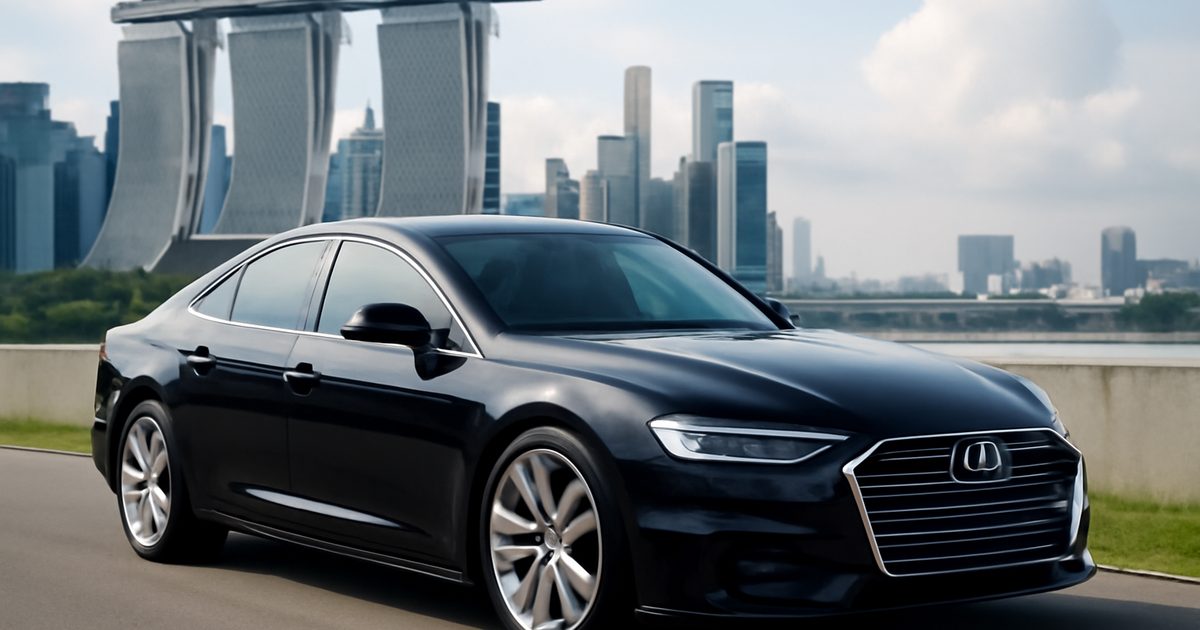
If you are protecting a new car or refreshing an older one, the car coating cost in Singapore varies far more than most owners expect, driven by the type of coating, the number of layers, and how much paint preparation is included. This guide is for owners deciding whether to coat and how to compare detailers. It explains how a quote is built up, what genuinely affects value, and the questions that separate a lasting job from an expensive disappointment.
What you are actually paying for
A coating quotation bundles several things together, and the cheapest figure is not always the most coating. Knowing the components helps you compare offers honestly.
The coating type
Ceramic coatings are the mainstream choice and span a wide range depending on grade and brand. Glass coatings overlap heavily with ceramics in marketing terms. Graphene coatings are the newer premium option, promoted for slickness and heat behaviour, and they typically sit at the higher end. The product itself is only part of the story, but it sets the baseline.
Number of layers
More layers generally mean more material, more labour and more curing time, which raises the price. A single base layer protects; multiple layers are sold for added depth, gloss and longevity. Whether the extra layers are worth it depends on how long you plan to keep the car.
Paint preparation and correction
This is the part owners most often overlook and detailers most often differentiate on. A coating only looks as good as the paint beneath it, so a proper job includes a thorough wash, decontamination and, on a used car, some level of paint correction to remove swirls and marks. Correction is labour-intensive and is frequently the biggest single reason two quotes diverge.
Vehicle size and condition
A large SUV has more surface area than a compact hatchback, and a neglected finish needs more correction than a well-kept one. Both push the price up.
Car Coating Cost in Singapore
In Singapore, the typical cost for professional ceramic car coating ranges from $500 to $1,800. This price range generally covers most vehicles and standard service levels, providing a durable layer of protection for your car’s paintwork. The cost can vary based on several factors, including the size of the vehicle, the condition of the paint, and the specific coating package selected. Larger vehicles like SUVs and MPVs usually incur higher costs due to the increased surface area requiring more product and labour.
For those seeking premium options, prices can extend up to $2,500 or more, reflecting additional layers of coating, longer warranties, or the use of high-end products. Conversely, budget-conscious car owners might find basic packages starting around $300, though these may offer less comprehensive protection or shorter durability.
Ultimately, the final cost is influenced by the level of paint correction needed before application, the reputation of the service provider, and the complexity of the coating process. Investing in a quality ceramic coating can significantly enhance your vehicle’s appearance and longevity, making it a worthwhile consideration for car owners in Singapore.
Durability and value over time
Coatings are sold on how long they last, often expressed in years, but real-world durability depends heavily on preparation, application quality and how the car is maintained afterwards. A premium coating applied over poorly prepared paint will underperform a mid-grade coating applied properly. When comparing value, look past the headline durability claim and ask about the prep, the warranty terms, and whether any maintenance or top-up regime is required to keep the protection valid. A coating that needs careful washing to last is only as good as the care it receives.
How we would evaluate a detailer
A good detailer treats prep as the job, not an upsell. We would look for a few clear signals.
- They inspect before quoting. A firm price without seeing the car’s paint condition is guesswork.
- They explain the prep. Decontamination and any paint correction should be described, not glossed over.
- They specify the product and layers. The coating grade and number of layers should appear in the quote.
- They offer a written warranty. Clear terms on coverage and any maintenance conditions show confidence.
- They give honest aftercare advice. How to wash and maintain the car to protect the coating.
To shortlist, it helps to compare a few car grooming and detailing studios in Singapore and see how each presents prep, product and warranty before you book an inspection.
Red flags to avoid
Be wary of a price that is unusually low, since the saving almost always comes from skipped preparation rather than a better deal on the coating. Watch for detailers who quote firmly without seeing the car, who cannot name the product or layer count, or who promise unrealistic durability with no maintenance attached. A warranty that exists only verbally, or one with conditions so strict that any normal washing voids it, deserves scrutiny. Pressure to decide on the spot to secure a discount is another reason to slow down; a coating is a job worth getting right rather than fast.
New car versus used car
The state of the paint when it arrives changes the job significantly, and it is worth thinking about separately. A brand-new car usually has paint in good condition, so the preparation is lighter and the coating is largely about locking in and protecting a fresh finish. The value here lies in starting protection early, before swirls and contamination build up from washing and daily driving.
A used car is a different proposition. Years of washing, parking under trees and exposure to the elements leave swirls, water spots and embedded contamination that a coating would otherwise seal in. Restoring the finish through correction is more labour-intensive, which is why a coating on a neglected used car can cost considerably more than the same coating on a new one. The upside is that the result can be dramatic, since the correction itself transforms how the paint looks before any coating goes on. Being clear about which situation you are in helps you judge whether a quote is fair for the work involved.
Maintaining the coating after the job
A coating is not a fit-and-forget treatment, and understanding the upkeep affects the real value of what you pay. Coated paint still needs regular, careful washing to stay slick and to keep its protective properties, and harsh or careless washing can shorten its effective life. Some coatings come with a recommended maintenance regime or periodic top-up to keep a warranty valid, so it is worth asking what is required before you commit. The owners who get the most from a coating are usually those who maintain it sensibly afterwards, which means the cheapest path to good results is often a mid-grade coating cared for properly rather than a premium one left to fend for itself.
Planning the job sensibly
Start by deciding how long you intend to keep the car, since that shapes whether a single layer or a multi-layer premium package makes sense. Be realistic about your paint’s condition, especially on a used car, because correction is where much of the value and cost sits. Then gather two or three quotes for the same brief so you are comparing like with like. If you are arranging other vehicle work at the same time, the wider WhitePages.sg directory is a useful place to find related automotive services and coordinate sensibly.
Related guides
- Car Services in Singapore: The Complete Guide
- Best Car Wrap in Singapore (2026 Guide)
- Best Car Wash in Singapore: How to Choose
- Best Car Grooming & Detailing in Singapore
- Car Scratch Repair in Singapore: How to Choose
Frequently asked questions
How much does car coating cost in Singapore?
It ranges widely with the coating type, the number of layers, the amount of paint correction and the size of the car. An entry ceramic on a small, well-kept car is at the lower end, while a multi-layer or graphene package with correction on a large vehicle is much higher. An inspection-based quote is the reliable way to get a real figure.
What is the difference between ceramic, glass and graphene coatings?
Ceramic is the mainstream option across many grades, glass overlaps heavily with ceramic in marketing terms, and graphene is the newer premium choice promoted for slickness and heat behaviour. Graphene typically costs more, but application quality and preparation matter more to the result than the product label alone.
Is paint correction necessary before coating?
On a used car with swirls or marks, some correction is usually worthwhile because the coating locks in whatever is underneath. On a brand-new car, lighter prep may suffice. Correction is labour-intensive and often the main reason two quotes differ, so clarify what is included.
How long does a coating last?
Durability is often quoted in years, but real-world life depends on preparation, application and aftercare. A well-applied coating on properly prepped paint, maintained with careful washing, lasts longer than a premium product applied carelessly. Always check the warranty terms and any maintenance conditions.
What affects the price the most?
Paint preparation and correction tend to move the price more than the coating product itself, followed by the number of layers and the size and condition of the car. A higher quote that includes thorough correction can represent better value than a cheap one that skips it.
Can I wash my car right after ceramic coating?
No, you should wait before washing a newly coated car so the coating can cure properly. Most installers advise avoiding washing for at least several days and keeping the car out of rain if possible. Follow your installer’s aftercare instructions, as curing times vary between products and affect the warranty.
How do I maintain a coated car in Singapore?
Wash it regularly with a pH-neutral shampoo and soft microfibre mitt, and avoid automated brush washes that can scratch the finish. Remove bird droppings and tree sap quickly, as Singapore’s heat bakes them on. Many installers offer periodic maintenance or top-up sessions, which may be required to keep the warranty valid.


