
Local Guide
Car Servicing Cost Guide Singapore (2026)
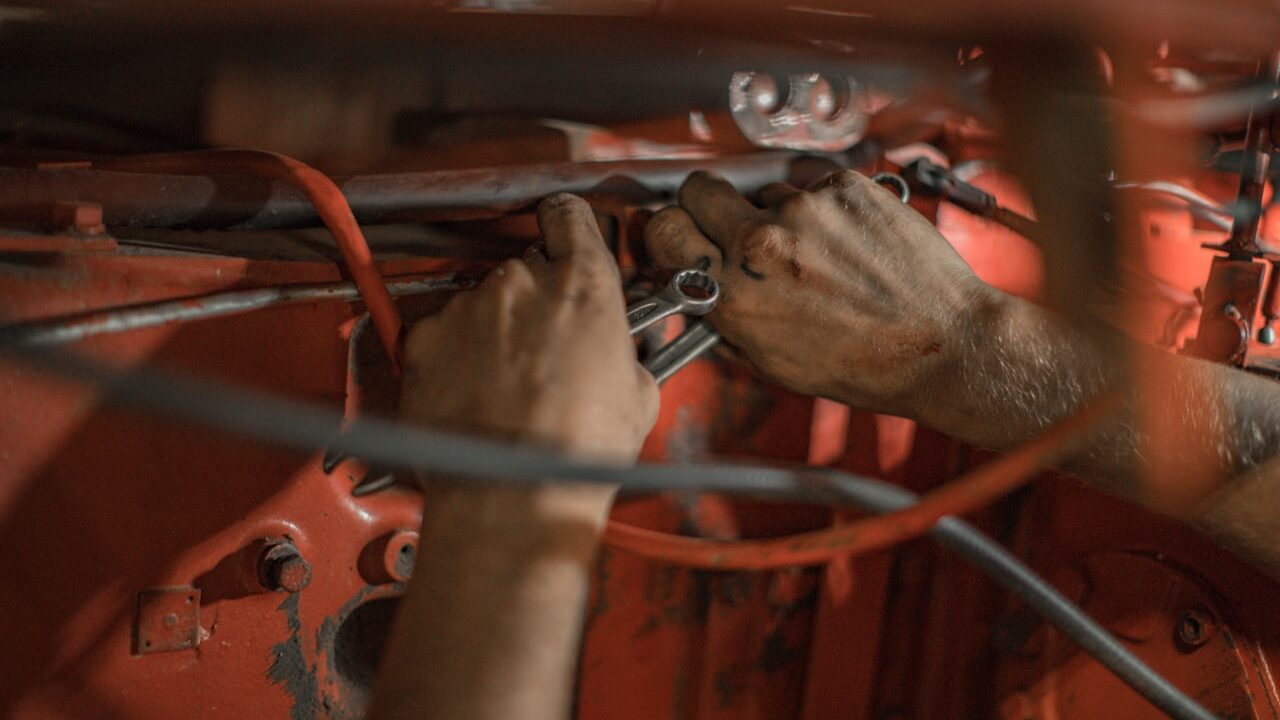
If you own a car in Singapore, regular servicing is the single cheapest way to avoid a five-figure repair bill later. This guide breaks down typical car servicing cost in Singapore — minor versus major service, how prices shift by car type, and what genuinely affects the quote — so you can compare workshops without overpaying or under-maintaining your vehicle.
Every figure below is a broad market range, not a fixed price. Always confirm with the workshop before committing, as costs depend on your make, parts used and the workshop’s location.
Minor vs major servicing: what you actually pay for
Most workshops in Singapore work on a mileage or time interval — commonly every 10,000 km or every six to twelve months, whichever comes first. Servicing falls into two broad tiers.
Minor (interim) service
A minor service usually covers engine oil, oil filter, a multi-point inspection and topping up of fluids. It is the routine visit most drivers make. For a typical mass-market saloon or hatchback, a minor service often falls in the region of $80–$200, depending on the oil grade (semi-synthetic versus fully synthetic) and whether genuine or aftermarket filters are used.
Major (full) service
A major service adds wear items on a longer cycle — air filter, cabin/aircon filter, fuel filter, spark plugs, brake inspection and sometimes transmission or coolant fluid. Because more parts and labour are involved, a major service commonly runs from $250 to $600+ for ordinary cars, and considerably higher once larger jobs are bundled in.
Car Servicing Cost in Singapore
In Singapore, the cost of car servicing typically ranges from $180 to $300 for a basic service package. This includes essential maintenance such as an engine oil change, oil filter replacement, and a comprehensive multi-point inspection. For more extensive maintenance, a major service package costs between $400 and $700, covering additional replacements like spark plugs, air filters, and cabin filters.
For Japanese or Korean sedans, standard servicing costs are generally lower, ranging from $120 to $180. In contrast, servicing for Continental models is higher, typically between $200 and $350, influenced by the oil grade and specific filters required.
Authorised dealer workshops offer customised packages, with prices starting from $231 for brands like Toyota and Honda, and going up to $414 for brands such as Mitsubishi, Kia, and Mercedes Benz. These packages often vary based on the car model and the specific services included.
While these are the typical costs, some service centres may offer promotional rates or discounts, especially for first-time customers or during off-peak periods. It’s advisable to compare different service providers and consider the specific needs of your vehicle to ensure optimal maintenance and value for money.
Authorised dealer vs independent workshop
Where you service matters as much as what you drive.
- Authorised dealer / agent: uses genuine parts and keeps your full service record, which can help resale and protects an in-force warranty. Expect to pay a premium — often noticeably more than an independent for the same job.
- Independent / neighbourhood workshop: typically cheaper on labour and flexible on parts. A reputable independent can service most cars to manufacturer standards; just confirm they log the work properly if your car is still under warranty.
Under consumer protection norms in Singapore, servicing at an independent workshop does not automatically void a manufacturer warranty, but the workshop should use parts and oils that meet the maker’s specification. When in doubt, keep receipts.
What affects the price
- Oil grade and quantity: fully synthetic oil costs more than semi-synthetic, and larger engines hold more litres.
- Genuine vs aftermarket parts: OEM-equivalent filters and plugs can cut cost; genuine parts cost more but suit warranty cars.
- Mileage and condition: high-mileage or neglected cars often need extra wear items replaced on the day.
- Added jobs: brake pads, tyres, wheel alignment, battery, aircon regas or timing belt are separate from the base service and can dwarf it.
- Location and labour rate: central or CBD-adjacent workshops may charge more than heartland or industrial-estate units.
How to compare quotes
Get an itemised quote, not a lump sum. A trustworthy workshop will list oil type and quantity, each filter, labour and any inspection findings separately. When comparing two workshops, make sure they are quoting the same oil grade and parts standard — a cheaper number often means a lower-spec oil or fewer items. Ask which items are due now versus which can safely wait. You can shortlist and contact car servicing specialists through our car servicing & repair category, or browse the full business directory to find workshops near you.
Red flags to avoid
- A quote with no breakdown, or pressure to approve big-ticket repairs on the spot.
- “Free inspection” that suddenly uncovers many urgent, expensive faults.
- Refusal to return your old replaced parts when you ask to see them.
- Vague answers on oil grade or whether parts meet your car’s specification.
- Prices that look far below market — corners are usually being cut on oil or parts quality.
Related guides
- Car Services in Singapore: The Complete Guide
- Best Car Aircon Servicing in Singapore: How to Choose
- Car Workshops in Singapore: How to Choose
- Car Respray Cost in Singapore (2026 Guide)
- Best Car Workshops in Singapore (2026 Guide)
Frequently asked questions
How much does a basic car service cost in Singapore?
A basic (minor) service for a typical mass-market car usually falls in the region of $80–$200, covering engine oil, an oil filter and a multi-point inspection. Fully synthetic oil and genuine parts push it towards the higher end.
How often should I service my car?
Most cars in Singapore are serviced every 10,000 km or every six to twelve months, whichever comes first. Check your owner’s handbook, as the interval varies by make and oil type, and Singapore’s stop-start traffic can warrant the shorter interval.
Is servicing at an authorised dealer worth the extra cost?
For a car under warranty or one you plan to resell at a premium, a full dealer service record can be worth it. Otherwise a reputable independent workshop using the correct oil and parts can do the same job for less.
Do electric cars cost less to service?
Generally yes for routine servicing, because EVs have no engine oil, spark plugs or fuel filters. You still pay for tyres, brake fluid, cabin filters, coolant for the battery system and software updates, so it is cheaper rather than free.
Why is my Continental car so much more expensive to service?
European marques typically require specific synthetic oils, pricier genuine parts and sometimes specialist diagnostic equipment, all of which raise both parts and labour costs compared with mass-market models.
What is the difference between a minor and major car service?
A minor service covers basics like an engine oil and oil filter change plus general checks, often costing around $80 to $200 for a mass-market car. A major service adds parts such as spark plugs, air filters and cabin filters, commonly running $250 to $600 or more. Your manufacturer’s schedule tells you which is due at each interval.
Will servicing at an independent workshop void my car warranty?
Generally, using an independent workshop should not automatically void your warranty as long as servicing follows the manufacturer’s schedule and uses parts and fluids of the correct specification. However, warranty terms differ between brands and dealers, so read your warranty booklet carefully. Keep itemised invoices as proof that each service was done on time.
How can I tell if a car workshop in Singapore is trustworthy?
Look for workshops that give itemised written quotes, explain what needs replacing and why, and return old parts on request. Accreditation schemes and consistent online reviews also help. Avoid workshops that push expensive repairs without showing you the problem. Getting a second opinion before major work is reasonable, especially for costly jobs.


