
Local Guide
How to Choose a Physiotherapy Clinic in Singapore
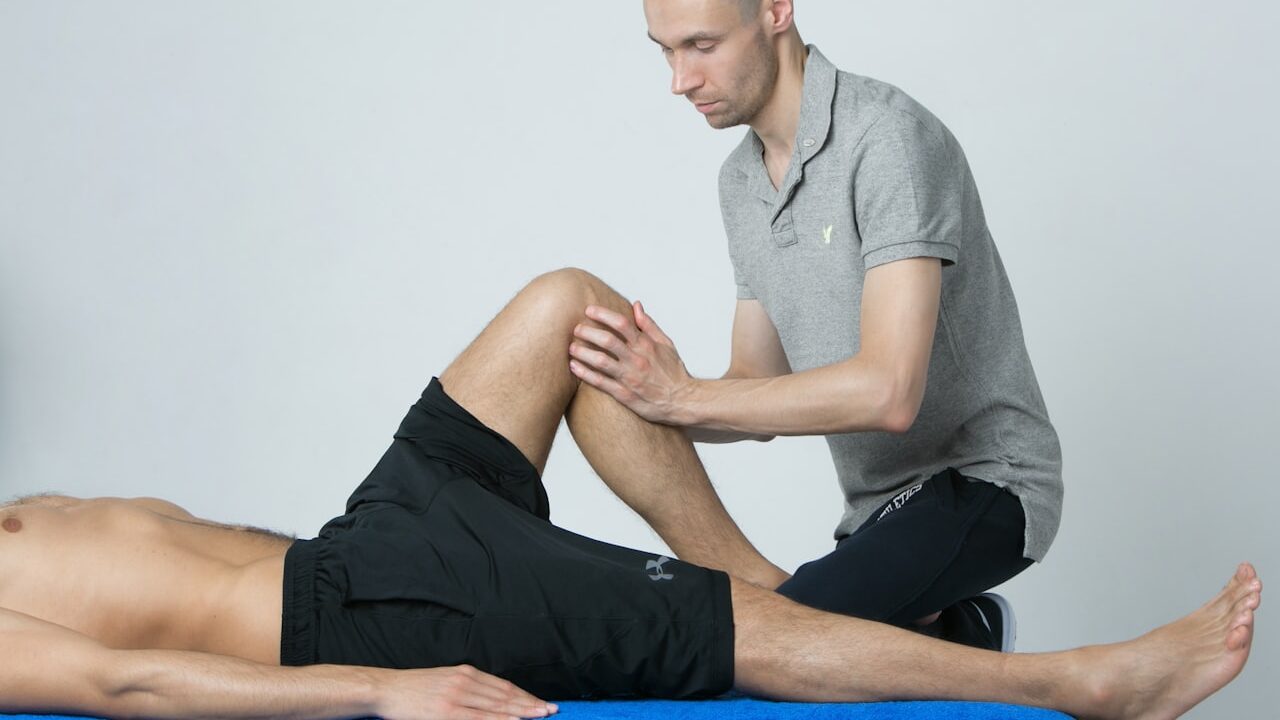
Choosing the right clinic for physiotherapy in Singapore can be the difference between a quick recovery and months of stop-start frustration. Whether you are rehabbing after surgery, managing back or neck pain from desk work, or recovering from a sports injury, the clinic and the therapist you pick shape your results. This guide is for anyone deciding where to go for physio, and it explains how to check credentials, what sessions cost, and how to tell a thorough clinic from a rushed one.
Singapore has strong options across public hospitals, polyclinics and private practices. To compare clinics by location and specialty, browse our physiotherapy & rehab directory.
What to look for in a physiotherapy clinic
Registered, qualified physiotherapists
In Singapore, physiotherapists are registered with the Allied Health Professions Council (AHPC). Confirm your therapist holds a recognised qualification and current registration. For complex cases, ask whether they have relevant post-graduate training or experience in your specific area — sports, orthopaedic, neurological or women’s health physio are quite different.
A proper assessment before treatment
A good first session is mostly assessment: history-taking, movement testing and a clear explanation of what is going on. Beware clinics that jump straight to a machine or a generic routine without understanding your problem.
Hands-on care, not just machines
Quality physio combines manual therapy, guided exercise and education. Clinics that rely heavily on passive modalities (heat packs, ultrasound, electrical stimulation) for every patient, with little hands-on work or progressive exercise, often deliver weaker outcomes.
A home exercise programme
Recovery happens between sessions. A good physiotherapist gives you specific exercises to do at home and adjusts them as you progress. If you leave with nothing to work on, that is a warning sign.
Public vs private physiotherapy
You have two broad routes in Singapore, each with trade-offs:
- Public (restructured hospitals and polyclinics): generally lower out-of-pocket cost, often subsidised, but you may wait longer for appointments and see different therapists across visits. A referral is usually involved.
- Private clinics: faster appointments, longer one-on-one sessions and continuity with the same therapist, at a higher price. Many accept self-referral, so you can book directly.
For post-surgical rehab tied to a hospital, the public pathway may be most coordinated. For ongoing or sports-related issues where continuity and longer sessions matter, private practice often suits better.
Typical physiotherapy pricing in Singapore
Costs depend heavily on setting and session length. Treat these as broad guidance and confirm before booking:
- Subsidised public physiotherapy: the lowest out-of-pocket cost per session for eligible patients, though waiting times can be longer.
- Private clinic sessions: typically fall in a higher per-session band, with the first assessment session often costing more than follow-ups.
- Specialised or home-visit physiotherapy: sits at the top of the range, reflecting travel and one-to-one time.
Ask whether the quoted price covers the full session time and whether your condition may be claimable under MediSave for certain approved treatments, or through your insurance — coverage varies, so check with your provider rather than assuming.
How we evaluate a good physiotherapy clinic
- Credentials — AHPC-registered therapists, with relevant experience for your condition.
- Thorough assessment — they diagnose and explain before treating.
- Active rehabilitation — manual therapy plus progressive, individualised exercise.
- Clear goals and timelines — you understand what recovery should look like.
- Continuity — ideally the same therapist across your treatment.
- Honest session planning — they don’t book you for endless visits without measurable progress.
Location matters for consistency too — a clinic near home, work or an MRT line means you actually keep your appointments. Our Singapore business directory lets you filter clinics by area.
Red flags to avoid
- No real assessment — straight onto a machine with no explanation.
- One-size-fits-all routines regardless of your specific injury.
- Pressure to prepay long packages of sessions before you’ve seen any progress.
- Vague or evasive answers about the therapist’s qualifications or registration.
- No home exercises and no measurable goals.
- Claims of miracle cures or guaranteed results — genuine recovery has ups and downs.
If progress stalls and the clinic keeps booking you without changing the plan, it is reasonable to seek a second opinion.
Matching the clinic to your type of injury
Not every physiotherapy clinic is set up for every problem, so part of choosing well is matching the practice to what you actually need. A sports-focused clinic geared towards runners, footballers and gym injuries works differently from a musculoskeletal practice handling desk-related neck and back pain, which in turn differs from a rehabilitation setting supporting stroke, neurological or post-operative recovery. Before booking, it is worth asking which of these the clinic sees most often.
A few practical pointers when weighing up the fit:
- Sports injuries: look for therapists experienced in return-to-sport progressions and load management, ideally with access to space for running, jumping or strength work rather than just a treatment plinth.
- Musculoskeletal and office strain: a clinic comfortable with posture, ergonomics and graded exercise for recurring back, neck or shoulder pain is usually the better match.
- Neurological or post-surgical rehabilitation: continuity of care and coordination with your surgeon or specialist matters most, so a hospital-linked or rehab-oriented setting often suits.
Location plays into this too. Pick somewhere you can reach consistently across a course of treatment, whether near home, work or an MRT line, since missed sessions slow recovery. If you would rather start by area, you can browse listings for clinics in central Singapore and compare what each practice focuses on before you commit.
Related guides
- Health & Medical Services in Singapore: The Complete Guide
- Physiotherapy Cost in Singapore: A Price Guide
- Home Physiotherapy in Singapore: How to Choose
- Best Physiotherapy Clinics in Singapore (2026 Guide)
- Physiotherapy vs Osteopathy in Singapore: How to Choose
FAQ
Do I need a doctor’s referral to see a physiotherapist in Singapore?
For private clinics, you can usually self-refer and book directly. Public hospital and polyclinic physiotherapy typically involves a referral, especially for post-surgical or subsidised care. If you are unsure about your condition, seeing a doctor first is sensible.
How many physiotherapy sessions will I need?
It depends on the injury and your goals — some issues resolve in a few sessions, while post-surgical or chronic conditions take longer. A good physiotherapist sets expected timelines, reviews progress and adjusts the plan rather than booking open-ended visits. If there is no measurable improvement, ask why.
Can I claim physiotherapy under MediSave or insurance?
Some approved treatments may be claimable under MediSave in specific circumstances, and many insurance and corporate plans cover physiotherapy. Coverage varies widely, so confirm the details with the clinic and your insurer or MediSave guidelines before booking rather than assuming.
What’s the difference between physiotherapy and chiropractic care?
Physiotherapists treat a broad range of musculoskeletal and movement problems using assessment, manual therapy, exercise and education, and are registered with the AHPC. Chiropractors focus mainly on spinal manipulation. For rehabilitation and progressive recovery, physiotherapy’s exercise-based approach is generally the better-evidenced choice.
How do I choose between public and private physiotherapy?
Public physiotherapy is more affordable and well-suited to hospital-linked rehab, but waiting times are longer and you may see different therapists. Private clinics offer faster access, longer sessions and continuity at a higher cost. Match the choice to your budget, urgency and need for one-on-one care.
How much does physiotherapy cost in Singapore?
Costs depend on whether you visit a public hospital or private clinic, the session length and the type of treatment. Subsidised physiotherapy at public institutions usually requires a referral and is cheaper. Private clinics offer quicker access but cost more per session. Ask about initial assessment and follow-up fees before booking.
What conditions can physiotherapy help with?
Physiotherapy helps with back and neck pain, sports injuries, joint problems, post-surgery recovery, stroke rehabilitation, balance issues and some breathing conditions. Physiotherapists use exercise, manual therapy and education to restore movement and reduce pain. They also help prevent re-injury through tailored home exercise programmes that you continue between sessions.
What should I wear to a physiotherapy session?
Wear comfortable, loose clothing that allows easy movement and access to the area being treated, such as shorts for knee problems or a loose top for shoulder issues. Bring any scans, medical reports and a list of medications. Comfortable shoes are useful if exercises are included.


