
Local Guide
EV vs Petrol Car in Singapore: Which to Buy
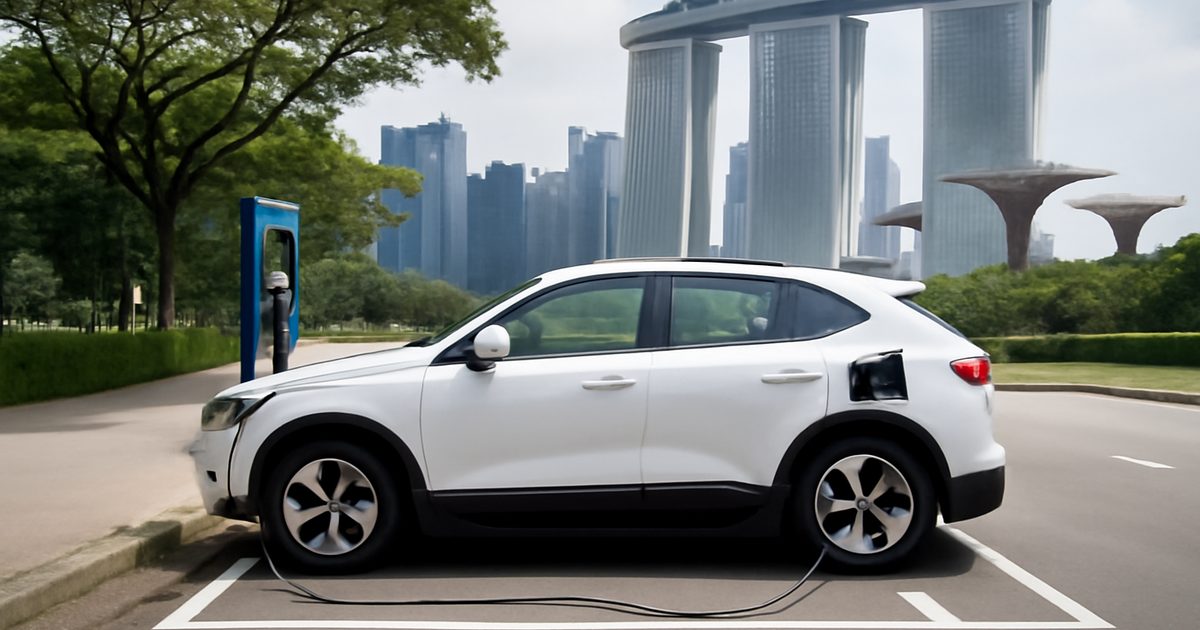
The EV vs petrol car Singapore decision is no longer fringe. Electric models now sit across showrooms at every price point, and the question for most buyers is genuinely open rather than a foregone conclusion. This guide compares the two on the things that actually move the needle here: upfront cost, running cost, charging access where you live, range, resale and how each fits Singapore’s COE system. The aim is to help you work out which suits your situation rather than to crown a single winner.
We have kept the figures qualitative on purpose. COE prices swing from tender to tender and incentives are periodically revised, so we describe directions and trade-offs rather than quoting numbers that may be stale by the time you read this.
Upfront cost: where they differ
On a like-for-like basis an EV often carries a higher sticker price than a comparable petrol car, driven largely by the battery. Singapore narrows that gap with EV-specific incentives layered on top of the usual taxes, which can bring the effective cost of an electric model closer to its petrol equivalent, particularly in the mass-market segment. The catch is that both are still gated by the same COE, which can dwarf the price difference between the two powertrains. When you compare quotes, look at the all-in cost after rebates rather than the headline price, and remember the COE component applies regardless of what is under the bonnet.
Running cost: the EV’s strong suit
This is where electric cars generally pull ahead. Charging at home overnight, especially on an off-peak rate, typically costs far less per kilometre than petrol, and EVs have fewer serviceable parts, so routine maintenance tends to be lighter. There is no engine oil, no spark plugs and less brake wear thanks to regenerative braking.
The picture changes if you cannot charge at home. Relying on public fast chargers is more expensive than overnight home charging and erodes the running-cost advantage. Petrol, by contrast, is predictable: you pay the pump price and you are done. For high-mileage drivers with home charging, the EV’s lower running cost compounds quickly; for low-mileage drivers without it, the gap shrinks.
Charging access: the deciding factor for many
Where you park overnight often settles the decision. Drivers in landed homes or condominiums with an installed charger get the full benefit of cheap, convenient overnight charging. The harder cases are HDB dwellers and those in older condos without chargers.
- HDB carparks. Charger rollout across HDB carparks has expanded considerably, but availability still varies by estate, and shared chargers mean you cannot always count on a free bay when you need one.
- Condominiums. Installing a charger usually needs management committee approval and may involve electrical capacity checks, so it is not always quick or guaranteed.
- Public network. Singapore is compact, so public chargers are never far, but planning around them is a lifestyle change petrol drivers never think about.
If you have no realistic overnight charging option, a petrol car may simply be less hassle today, even if the long-term economics favour electric.
Range, resale and COE considerations
Range anxiety is overstated for an island the size of Singapore. Even a modest EV battery comfortably covers a typical week of city driving, and most owners charge before they ever approach empty. Long cross-causeway trips need a little more planning, but day to day, range rarely bites here.
Resale is the bigger unknown. The used market for EVs is still maturing, and buyer concerns about battery health and replacement cost can weigh on resale values, though strong demand for newer models pushes the other way. Both EVs and petrol cars are tied to the COE clock, so factor in whether you intend to renew the COE or deregister at the ten-year mark, since that decision interacts with battery age for an EV.
Who each suits
An EV makes the most sense for drivers with reliable home or workplace charging, higher annual mileage, and a preference for lower running costs and a quieter, smoother drive. A petrol car remains the pragmatic pick for those without dependable charging, lighter or irregular usage, frequent long-distance trips, or anyone who values a refuel-and-go simplicity without thinking about bays and cables. Many buyers also sit in between, in which case a careful look at your parking situation usually tips the balance.
Whichever way you lean, compare offers from more than one seller. You can browse the car dealers category on WhitePages.sg to line up quotes, or start from the main directory to find servicing and insurance providers in the same trip.
Related guides
- Car Services in Singapore: The Complete Guide
- How to Sell a Car in Singapore (2026)
- Best Car Dealers in Singapore (2026 Guide)
- How to Transfer Car Ownership in Singapore
- How to Scrap or Deregister a Car in Singapore
FAQ
Is an EV cheaper than a petrol car in Singapore?
It depends on how you measure it. EVs often cost more upfront before incentives, though rebates narrow the gap, while running costs are usually lower if you charge at home overnight. For high-mileage drivers with home charging the total cost of ownership often favours an EV; without home charging the advantage shrinks.
Can I charge an EV if I live in an HDB flat?
Increasingly, yes. Charger installation across HDB carparks has expanded, though availability varies by estate and chargers are shared. Check whether your specific carpark has accessible chargers before buying, as relying solely on public fast chargers raises running costs.
Do EVs have enough range for Singapore?
For everyday driving, comfortably. Singapore is small enough that even a modest battery covers a typical week, and most owners top up before running low. Longer trips across the Causeway need a little more planning, but range is rarely a real constraint on the island.
How does the COE affect the EV vs petrol decision?
Both powertrains require a COE, which can exceed the price difference between an EV and a petrol car. The COE also sets the ten-year ownership clock, so consider whether you plan to renew or deregister, as battery age factors into that choice for an EV.
Which should I buy if I am unsure?
Start with your parking. If you have reliable overnight charging and drive a fair amount, an EV usually rewards you over time. If charging is uncertain or your mileage is low and irregular, a petrol car is often the simpler choice. Comparing quotes from several dealers helps clarify the real cost for your situation.


