
Local Guide
Occupational Therapy Cost in Singapore (2026 Guide)
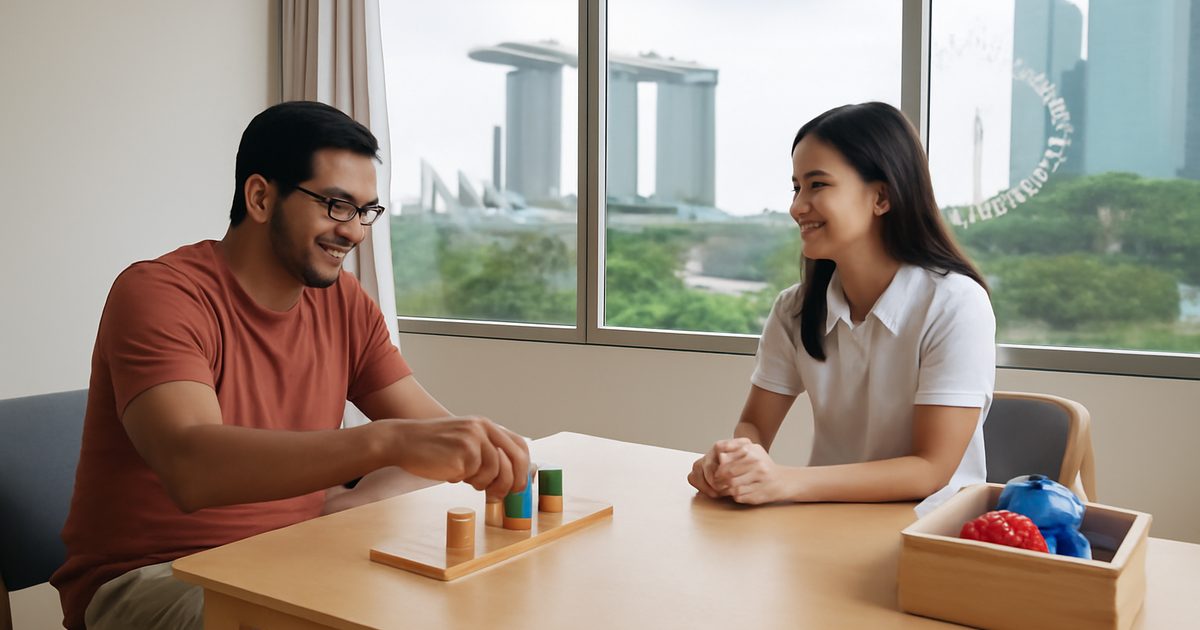
If a doctor or school has suggested occupational therapy, your next question is probably the occupational therapy cost in Singapore and how the sessions add up over time. This guide explains the difference between an initial assessment and follow-up sessions, how paediatric and rehabilitation services compare, where subsidies may apply, and what moves the price. It is for parents, carers, and adults arranging therapy for themselves or a loved one.
We keep to qualitative ranges rather than fixed figures, as fees vary by setting and the type of therapy involved. Nothing here is medical advice.
What Occupational Therapy Covers
Occupational therapy helps people build or regain the skills needed for everyday activities, from a child developing handwriting and sensory regulation to an adult relearning daily tasks after illness or injury. Because the field is broad, costs differ depending on the specialism and the intensity of support.
Two common settings dominate. Paediatric occupational therapy supports children with developmental, sensory, or learning challenges. Adult rehabilitation occupational therapy helps people recover function after a stroke, surgery, accident, or with a long-term condition.
Assessment versus session
A first appointment is usually a longer, more detailed assessment that establishes goals and a plan, and it typically costs more than a standard follow-up. Subsequent sessions are shorter and priced lower per visit, but they recur, so the cumulative cost matters as much as the per-session rate.
Occupational Therapy Cost in Singapore
In Singapore, the cost of occupational therapy sessions typically ranges from $46 to $286 per session in private settings. For those who qualify for subsidies, the cost can be reduced to approximately $32 to $200 per session, depending on the level of subsidy and the patient’s means test results. These prices generally cover outpatient rehabilitation services and may vary based on the complexity of the therapy required and the seniority of the therapist.
For children, a single 60-minute therapy session usually starts at around $190, with package deals for multiple sessions reducing the per-session cost to about $171. Additional charges may apply for home-based therapy due to transport costs, and weekend sessions may also incur higher fees.
It is important to note that these costs do not include expenses for consumables, equipment purchases, or additional therapeutic services that might be necessary as part of the treatment plan. Patients seeking occupational therapy services should consider these potential additional costs when budgeting for their therapy needs.
Budgeting for a Course of Therapy
Unlike a one-off procedure, occupational therapy is usually a journey rather than a single appointment, so the figure that matters is the total over a programme, not just one session. A child working on handwriting or sensory regulation, or an adult recovering function after a stroke, may attend weekly or fortnightly for an extended period. Multiply a per-session rate by the likely number of visits and the picture changes considerably.
This is exactly why the initial assessment is so important to the cost conversation. A good therapist uses it to set out a realistic plan: roughly how many sessions, how often, and what milestones to expect along the way. With that in hand, you can budget properly and decide whether a subsidised pathway, a private clinic, or some combination makes sense for your situation. It also lets you have an honest discussion about pacing, since some families spread sessions out to manage cost while still making progress.
For children, schools and early-intervention programmes sometimes provide or coordinate therapy, which can change the out-of-pocket maths significantly. For adults, therapy delivered as part of a hospital rehabilitation stay is costed differently from standalone outpatient sessions at a private clinic. Always ask how your particular pathway is funded before assuming a per-session rate applies across the board.
Make every session count
Because cost accumulates, getting value from each visit matters. Therapists often set home exercises or strategies between sessions, and following through on these can mean faster progress and, ultimately, fewer sessions. Engaged carers and consistent practice at home are among the biggest factors in keeping a programme both effective and affordable.
Choosing Between Settings
Deciding where to receive occupational therapy is as much a practical question as a clinical one. Public and subsidised pathways can be considerably more affordable for those who qualify, but they often involve referrals, eligibility assessments, and waiting times. For families managing a child’s developmental needs or an adult’s recovery, those waits can feel long when you want to start straight away, which is part of the appeal of private clinics.
Private settings offer quicker access, more choice over therapists, and flexible scheduling, all at higher fees. Some families use a blended approach: starting privately to begin promptly while a subsidised place is arranged, or topping up subsidised therapy with occasional private sessions. There is no single right answer; it depends on urgency, budget, and the specific support needed.
Whatever the setting, continuity matters. Switching therapists frequently can slow progress, as each new practitioner needs time to understand the case. Where possible, aim for consistency with a therapist you trust, and keep good records of assessments and goals so that, if you do move between settings, the new therapist can pick up smoothly rather than starting from scratch.
What Affects the Price
- Assessment versus follow-up — the initial, longer evaluation costs more than routine sessions.
- Specialism — paediatric and specialised rehab work can be priced higher than general sessions.
- Setting — subsidised public care, charity-supported programmes, and private clinics differ widely.
- Session frequency and length — more frequent or longer sessions raise the total cost of a programme.
- Subsidy eligibility — means-tested support and scheme eligibility can lower fees significantly.
- Reports and equipment — detailed reports or recommended aids can add to the overall outlay.
How to Choose a Provider
Look for therapists registered with the relevant professional body and experienced in the specific area you need, whether that is paediatric sensory work or post-stroke rehabilitation. A good provider sets clear, measurable goals and reviews progress, so you are not paying open-endedly without a sense of direction.
To compare clinics and therapists, browse the occupational therapy category on WhitePages.sg. If location matters for regular visits, you can shortlist providers near you, for instance in the east region, to keep the commute manageable for frequent sessions.
Questions worth asking
Ask how the assessment fee compares with follow-up sessions, how many sessions a typical programme involves, whether any subsidy or scheme applies to your situation, and how progress will be measured and reviewed.
Red Flags to Watch For
- Open-ended programmes — be cautious of plans with no clear goals or review points.
- Pressure to prepay large packages — paying upfront for many sessions reduces your flexibility if progress stalls.
- No mention of subsidies — a provider who never raises eligible support may not have your budget in mind.
- Vague reporting — for children especially, you should receive clear updates you can share with schools or doctors.
Related guides
- Health & Medical Services in Singapore: The Complete Guide
- How to Choose an Occupational Therapist in Singapore
- Best Occupational Therapists in Singapore (2026 Guide)
Frequently Asked Questions
How much does occupational therapy cost in Singapore?
At private clinics, an initial assessment often falls in the mid-to-high three-figure range, with follow-up sessions in the low-to-mid three-figure range each. Subsidised public and scheme-supported pathways can be considerably lower for eligible residents.
Is paediatric occupational therapy more expensive?
It can be, because it often uses specialised sensory and play-based equipment and involves longer sessions. The exact difference depends on the clinic and the child’s needs, so compare assessment and session fees when shortlisting providers.
Are there subsidies for occupational therapy?
Subsidised therapy may be available through public healthcare and government-supported early-intervention or disability schemes for those who qualify. Eligibility is usually based on assessed need and means, so check directly with providers and the relevant agencies.
How many occupational therapy sessions will I need?
This varies enormously with the goal and condition, from a short course of a few sessions to ongoing support over months. A good therapist sets a plan with review points so you can see progress and adjust rather than committing indefinitely.
Do I need a referral for occupational therapy?
Private clinics often accept self-referrals, while subsidised public and scheme-based pathways usually require a referral and an assessment of eligibility. A referral can also help ensure the therapy is matched to the right specialism for your situation.
What does occupational therapy help with?
Occupational therapy helps people of all ages develop or regain the skills needed for daily living and work. For children, it often addresses fine motor skills, sensory processing and developmental delays. For adults, it supports recovery after strokes, injuries or surgery, and helps people with long-term conditions manage everyday tasks.
Can I use MediSave for occupational therapy in Singapore?
MediSave may be used for some outpatient rehabilitation in specific circumstances, such as after hospitalisation, subject to limits. Subsidised occupational therapy at public institutions costs about $32 to $200 per session, compared with $46 to $286 in private settings. Check with the provider and the CPF Board about eligibility and claims.
How long is an occupational therapy session?
Occupational therapy sessions are often around an hour long, though length varies by provider and the patient’s needs. For children, a single 60-minute session usually starts at around $190, with package deals reducing the per-session cost to about $171. Your therapist will recommend how often to attend based on your goals and progress.


