
Local Guide
Best Aerial Yoga in Singapore (2026 Guide)
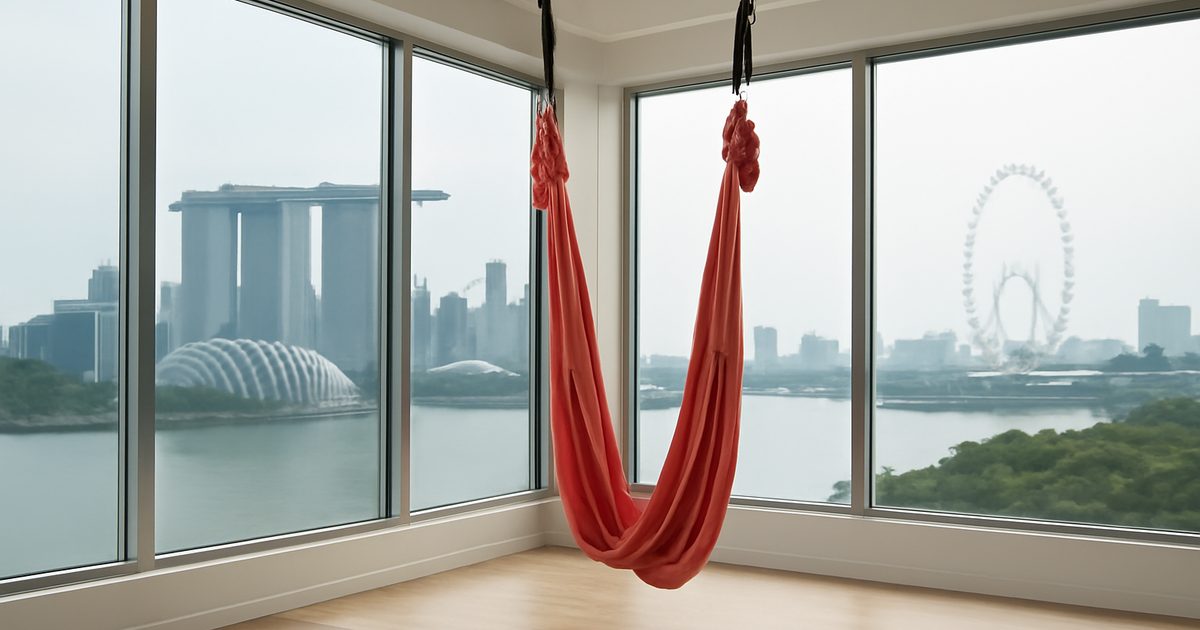
Aerial yoga has become one of the most photogenic and surprisingly accessible ways to move in Singapore, using a soft fabric hammock to support and deepen familiar yoga poses. This guide to aerial yoga in Singapore is for curious beginners wondering whether they need any flexibility or strength to start, and for regulars deciding between drop-in classes, packages and studio memberships. We focus on how to pick a class that suits your level, comfort and budget.
The appeal is that the hammock takes pressure off your joints and spine, letting you experience inversions and gentle stretches that feel intimidating on a mat. Whether you want a calming, decompressing session or a playful strength-and-flexibility challenge, the points below will help you choose well. To compare local studios directly, browse the yoga and pilates category.
How aerial yoga works
Understanding the format helps you walk into your first class knowing what to expect rather than feeling out of your depth.
The hammock and anti-gravity poses
Each student works with a suspended fabric hammock anchored to the ceiling. You use it to support your weight, assist balance and stretch deeper, and to move into gentle inversions — hanging upside down — that decompress the spine. The “anti-gravity” name simply describes letting the hammock carry part of your body weight.
What a class feels like
Sessions usually blend supported stretching, core and strength work, and a relaxing wind-down where you cocoon in the hammock. The pace is steady and the focus is on control, not acrobatics. You stay close to the floor for most beginner work, so there is far less height involved than the photos suggest.
Restorative versus dynamic styles
Some classes lean restorative — slow, gentle and stretch-focused, ideal for relaxation and back relief. Others are more dynamic, adding strength holds and flowing transitions. Check which a class is before booking so the intensity matches what you want that day.
Is it beginner-friendly?
Yes — aerial yoga is genuinely approachable, and you do not need to be flexible or strong to start.
The hammock does the hard work
Because the fabric supports you, beginners can access stretches and inversions that would be difficult unaided. You build confidence gradually, starting low and learning to trust the hammock before attempting anything more adventurous.
Look for a dedicated beginners class
Studios that run specific beginner or fundamentals sessions teach you how to grip, wrap and position safely from the start. This matters more in aerial than in mat yoga, since correct hammock technique keeps you secure.
Tell the instructor about any concerns
A good instructor will check for first-timers, demonstrate each entry clearly, and offer modifications. The attentiveness you get in your first class is a strong signal of a well-run studio.
Who should be cautious or avoid it
Aerial yoga suits most people, but the inversions and pressure points mean some should check with a doctor first or skip it.
- Pregnancy: Most studios advise against aerial yoga during pregnancy because of the inversions and abdominal pressure. Seek medical guidance and look for a suitable prenatal alternative.
- Eye, ear or blood-pressure conditions: Inversions raise pressure in the head, so glaucoma, recent eye surgery, inner-ear issues or uncontrolled blood pressure are reasons to consult a doctor first.
- Recent surgery or injury: If you have had recent surgery, a hernia, or significant spine, shoulder or wrist injuries, get medical clearance before starting.
- Heart conditions and vertigo: Anyone with a heart condition, severe vertigo, or who feels faint when inverted should be cautious and discuss it with their instructor and doctor.
A responsible studio will ask you to complete a short health questionnaire before your first class. Take that as a good sign, and answer it honestly.
What to look for in a studio
Safety, instruction and atmosphere decide whether aerial yoga is a joy or a worry. Look for these signals.
Instructor training and rigging
Aerial work depends on properly installed, load-rated anchor points and well-maintained hammocks. Ask whether the instructor is trained specifically in aerial yoga, not just mat yoga, and whether the rigging is professionally installed and regularly checked. A confident studio will answer these questions readily.
Class size
Class size matters more here than in most fitness classes, because each student needs a hammock, floor space and the instructor’s attention for safe entries. Smaller groups mean closer supervision and faster progress — a packed class with too few instructors for first-timers is best avoided.
Hygiene and the hammocks
You wrap your body in the fabric, so hammock cleanliness matters. Ask how often hammocks are cleaned, and wear fitted clothing that covers the backs of the knees and underarms to stay comfortable in the fabric. Avoid zips, buckles or jewellery that could snag.
Venue and timing
Good air-conditioning and ventilation make a difference in Singapore’s heat. Check the class times and a location near an MRT or your neighbourhood genuinely fit your week — convenience is the biggest predictor of whether you keep it up.
Typical pricing in Singapore
Aerial yoga is billed in SGD per class, as a package, or by membership, and tends to cost a little more than mat yoga because of the equipment and smaller classes. Rough qualitative tiers:
- Budget tier: Introductory offers and beginner workshops, often the cheapest way to try aerial without committing — ideal for first-timers testing whether they enjoy it.
- Mid tier: Studios selling drop-ins and class packages with trained instructors and a fuller experience. Where most regulars settle.
- Premium tier: Boutique studios with polished facilities, very small classes or unlimited memberships, at the highest overall cost.
Many studios offer a discounted intro package or a first trial class — use it before committing, and check the validity period and cancellation policy on any credits you buy. Confirm current rates and the schedule directly with each provider, since timetables and prices change. To shortlist studios near you, the WhitePages.sg directory is a good starting point.
Red flags to avoid
Be cautious of studios that cannot confirm their rigging is professionally installed and inspected, instructors without specific aerial training, or classes so large that beginners get no individual supervision during inversions. A studio that skips any health screening before your first inverted class is not taking safety seriously. Pressure to buy a long package before a single trial, vague answers about hammock hygiene, or unclear terms on credit expiry and refunds are further warning signs — a confident studio lets you trial first and gives clear terms.
Related guides
- Fitness & Sports in Singapore: The Complete Guide
- Best Yoga Mats in Singapore (2026)
- Best Hot Yoga in Singapore (2026 Guide)
- Best Yoga & Pilates Studios in Singapore
- Best Prenatal Yoga in Singapore: How to Choose
Frequently asked questions
Do I need to be flexible or strong to start aerial yoga?
No — aerial yoga is beginner-friendly precisely because the hammock supports your weight and assists each stretch. You build flexibility and strength gradually as you go, starting low to the ground and learning to trust the fabric. Look for a dedicated beginners class, tell the instructor you are new, and you will be guided through every position safely.
Is aerial yoga safe, and who should avoid it?
It is safe for most people in a well-run studio with proper rigging and trained instructors. However, it is generally not advised during pregnancy, or for those with glaucoma, recent eye or ear conditions, uncontrolled blood pressure, heart conditions, severe vertigo, hernias or recent surgery. If any apply, consult your doctor first and tell your instructor before class.
Will I be hanging high in the air?
Not as a beginner. Most introductory work keeps you close to the floor, using the hammock for support and gentle, low inversions rather than dramatic height. The photogenic high poses come much later and only if you choose to pursue them. If height worries you, mention it — instructors keep beginners low and supported.
What should I wear and bring?
Wear fitted clothing that covers the backs of the knees and the underarms, since bare skin against the fabric can feel uncomfortable during wraps. Avoid zips, buckles, rough seams and jewellery that could snag the hammock, and remove sharp accessories. Bring water and arrive a little early to complete any health form and meet your instructor.
Should I buy a package straight away?
Start with an intro offer or a single trial class first. Aerial yoga feels different from mat yoga, so confirm you enjoy it and that the studio and instructor suit you before buying a block of credits or a membership. Once you know how often you will attend, a package lowers the per-class cost — just check the validity period before committing.


