
Local Guide
Best Yoga Mats in Singapore (2026)
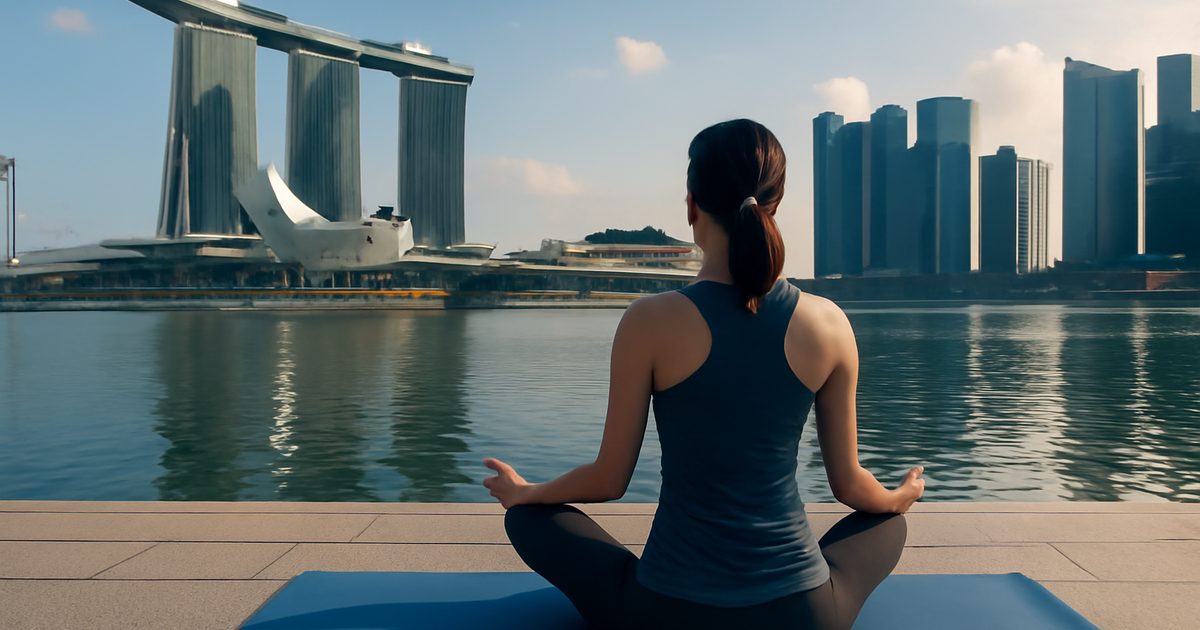
Choosing the best yoga mat in Singapore comes down to grip, thickness and the right material for our warm, sweaty climate. This guide explains how thickness affects comfort and stability, compares TPE, rubber and cork, weighs eco options, and covers portability for studio-hoppers. It is written for beginners and regular practitioners who want a mat that supports their practice without slipping.
Thickness: Comfort vs Stability
Mat thickness is the first trade-off to understand. A thin mat keeps you close to the floor, giving excellent stability for standing and balance poses where you want to feel grounded. The downside is less cushioning for knees, wrists and the spine during kneeling or lying poses.
A thick mat cushions joints generously, which suits restorative practice, Pilates floor work, or anyone with sensitive knees. The trade-off is reduced stability and a wobblier feel in balance poses, plus more bulk to carry. Standard-thickness mats sit in the middle and are the safe all-rounder for most people doing general yoga or flow.
For hard HDB or condo flooring, a little extra cushioning helps, but if you practise a lot of standing and balancing work, do not go too thick. Think about your dominant style before choosing, and if in doubt, a standard thickness serves most practitioners well.
Grip: The Make-or-Break Factor in Singapore
In our heat and humidity you will sweat, and grip is what stops your hands sliding forward in downward dog. A mat that grips when dry but turns slippery once damp is frustrating and unsafe. This is the single most important quality for practising here.
Grip depends on both the surface texture and the material. Natural rubber and cork tend to grip better as they get damp, which is a real advantage in hot yoga or a sweaty home session. Some mats have a textured or moisture-absorbing top layer designed specifically for sweaty practice. If you run hot, prioritise a mat known for wet grip, or plan to use a yoga towel over the top during intense sessions.
Material: TPE vs Rubber vs Cork
The material shapes grip, weight, durability, smell and eco-credentials.
TPE
TPE (thermoplastic elastomer) is lightweight, affordable, cushioned and free of PVC. It is a popular beginner choice and easy to carry, though its wet grip is generally less reliable than rubber or cork, and very cheap versions wear faster. A solid entry point for casual practice.
Natural Rubber
Natural rubber offers excellent grip and durability and is a favourite for serious practitioners. It is heavier and can have a rubbery smell when new, and those with latex sensitivities should avoid it. It grips well even as you sweat, making it strong for our climate.
Cork
Cork tops, usually over a rubber base, are naturally antimicrobial and grip better the more you sweat, which suits hot, humid practice. Cork is sustainable and resists odours, though it can feel firmer and is often pricier. Many find it the most pleasant surface for sweaty sessions.
Eco-Friendly Options
If sustainability matters to you, look beyond cheap PVC mats, which are durable but not biodegradable. Natural rubber, cork and jute mats are more eco-friendly choices, made from renewable materials and free of the worst plastics. TPE is a middle ground, recyclable and PVC-free though still synthetic.
Eco mats usually cost more and may wear differently, but many practitioners value the lower environmental footprint and the absence of strong chemical smells. If you are buying for a long-term practice, an eco mat in rubber or cork often justifies its price through durability and grip. You can find studios and gear through the yoga and Pilates listings if you want to try surfaces before buying.
Portability for Studio-Goers
If you commute to a studio by MRT or bus, weight and packability matter as much as performance. Thick, heavy rubber mats are wonderful at home but a chore to lug across town. Lighter TPE mats or thin travel mats roll up small and slip into a bag, ideal for studio-hoppers and travellers.
Some practitioners keep two mats: a cushioned one at home and a slim, light one for the studio or office lunchtime class. Look for a mat that rolls without curling at the edges, and consider a carry strap or bag. If you mostly practise at home, prioritise comfort and grip over weight. Browse the wider business directory to find retailers and studios stocking different options.
Pricing and How to Choose
Yoga mats in Singapore span a broad range. Basic TPE and entry mats are affordable and fine for beginners testing the waters. Mid-range mats with better grip and durability cost more, while premium natural rubber and cork mats sit at the top, justified by superior wet grip and longevity. A good mat is a long-term purchase, so for a committed practice it is worth investing rather than replacing flimsy mats repeatedly.
To choose, start with how and where you practise. A sweaty hot-yoga regular should prioritise wet grip in rubber or cork. A beginner doing gentle home sessions can start with affordable TPE. A studio commuter needs portability. Match the mat to your reality rather than buying the most expensive option by default.
Caring for Your Mat in the Heat
A yoga mat lasts far longer with simple care, and in our humid climate, hygiene is a real concern because sweat soaks in and warmth encourages bacteria and odours. Wipe your mat down after sweaty sessions with a gentle mat spray or a mild soap-and-water solution, avoiding harsh chemicals that degrade rubber and cork. Let it dry fully before rolling it up, since storing a damp mat in our humidity invites mould and a musty smell that is hard to remove.
Roll the mat with the practice side facing out, or as the maker recommends, to stop the edges curling. Keep it out of direct sunlight when not in use, because prolonged sun can dry out and crack natural materials. Natural rubber and cork mats may need a little more gentle care than synthetic ones but reward it with longer life. A clean, well-kept mat also grips better, since built-up oils and sweat reduce traction over time, which matters more here than almost anywhere.
Red Flags to Avoid
Be wary of mats that turn slippery the moment you sweat, that give off a strong chemical smell that does not fade, or that flake, peel and shed within weeks. Extremely cheap mats often compress flat quickly and lose cushioning. Vague material descriptions, no thickness specified, and mats that curl persistently at the corners are all signs of poor quality. For our climate, ignore wet grip at your peril, because it is the difference between a safe practice and a sliding one.
Related guides
- Fitness & Sports in Singapore: The Complete Guide
- Best Hot Yoga in Singapore (2026 Guide)
- Best Yoga & Pilates Studios in Singapore
- Best Aerial Yoga in Singapore (2026 Guide)
- Best Prenatal Yoga in Singapore: How to Choose
Frequently Asked Questions
What thickness yoga mat is best for beginners?
A standard thickness is the safest all-rounder, balancing joint comfort with stability. Go thicker only if you do lots of kneeling or floor work and need extra cushioning, and thinner if you focus on balance and standing poses.
Which yoga mat is best for sweaty, hot yoga in Singapore?
Natural rubber and cork mats grip better as they get damp, making them ideal for our humidity and hot yoga. A moisture-absorbing top or a yoga towel over the mat also helps prevent slipping.
Is TPE or rubber better?
TPE is lighter, cheaper and good for beginners, while natural rubber offers superior grip and durability for serious practice. Rubber is heavier and can smell when new, so weigh portability against performance.
Are cork yoga mats worth it?
Cork is naturally antimicrobial, odour-resistant and grips better the more you sweat, which suits our climate well. It costs more and feels firmer, but many find it the most pleasant and sustainable surface.
How long should a good yoga mat last?
A quality rubber or cork mat used regularly can last for years, while cheap mats compress and wear within months. Investing in a durable mat usually works out cheaper over time than repeatedly replacing flimsy ones.


