
Local Guide
Best Car Battery Replacement in Singapore: How to Choose
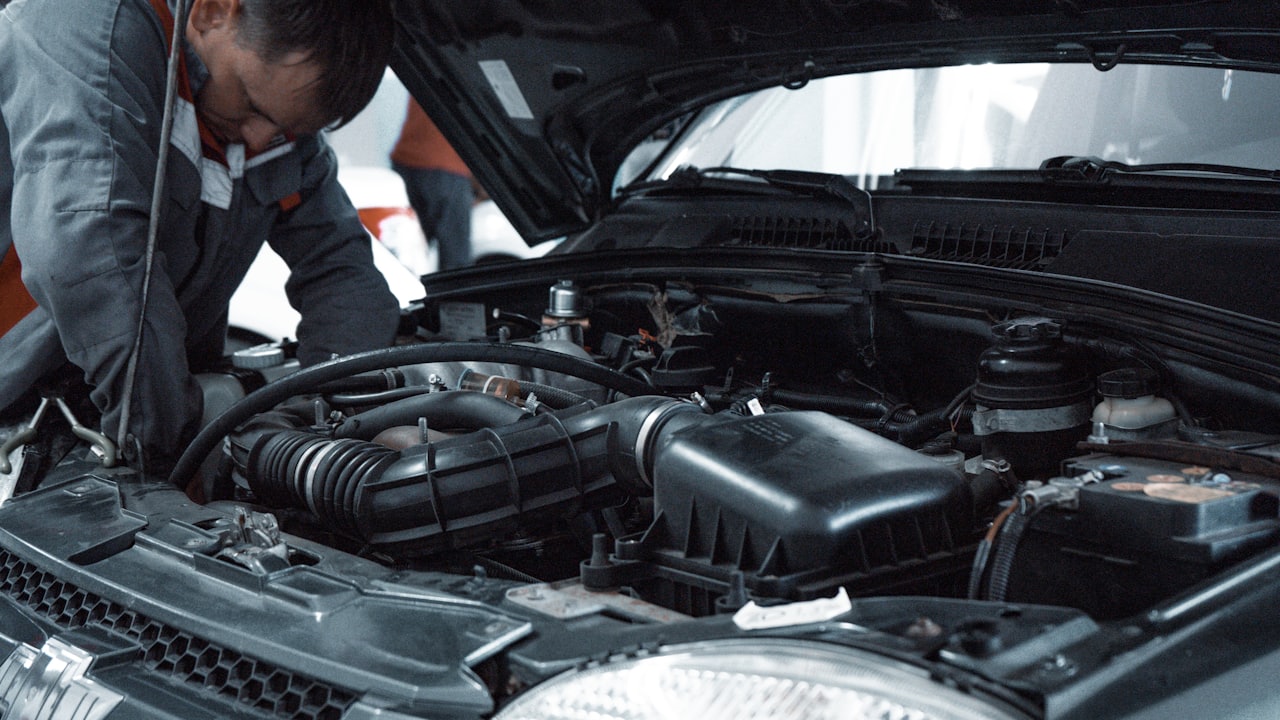
A flat battery is the most common reason a car refuses to start, and in our climate it tends to happen at the worst moment. This guide to car battery replacement in Singapore explains how to spot a failing battery, the difference between lead-acid, AGM and EFB types, when start-stop cars need a specific battery, and how on-site mobile replacement works. We do not name individual workshops; use the criteria below, then shortlist real options through the directory.
Singapore’s constant heat is hard on batteries — high temperatures accelerate the chemical wear inside them — so local batteries often last only two to four years rather than the longer life seen in cooler climates. Knowing the signs early saves you a roadside breakdown.
Signs your battery is weak
Batteries rarely die without warning. Watch for these symptoms and act before you are stranded.
- Slow or laboured cranking — the engine turns over sluggishly, especially first thing in the morning.
- Dim lights and weak electronics — headlights that brighten when you rev, or a flickering dashboard.
- Clicking on start — a rapid clicking with no crank usually points to insufficient power.
- Warning light — the battery or charging symbol on the dash should never be ignored.
- Age — most batteries here last two to four years, so a battery past three years is worth testing.
- Frequent jump-starts — needing a boost more than once is a clear sign the battery is at the end of its life.
A quick voltage and load test at a workshop confirms the condition in minutes, so test rather than guess.
Battery types: lead-acid, AGM and EFB
The right battery type is dictated by your car, not just your budget — fitting the wrong one can shorten its life or upset the charging system.
Conventional lead-acid
The traditional flooded battery is the most affordable and suits older cars without start-stop systems. It is reliable for basic electrical loads but is not designed for the deep, repeated cycling that modern features demand.
EFB (Enhanced Flooded Battery)
An upgraded flooded design built to handle more charge cycles, EFB is commonly specified for entry-level start-stop cars. It withstands the repeated stopping and restarting better than a standard lead-acid battery.
AGM (Absorbent Glass Mat)
The most robust mainstream option, AGM batteries handle heavy cycling and high electrical demand, and are usually required for cars with advanced start-stop, regenerative braking or many power-hungry features. AGM costs more, but fitting a cheaper lead-acid in an AGM car can lead to early failure.
Start-stop cars need the correct battery
If your car switches the engine off at traffic lights, it almost certainly needs an EFB or AGM battery rather than a standard one, and the replacement often needs registering or “coding” to the car’s battery management system. Fitting a plain lead-acid battery, or skipping the coding step, can cause the start-stop function to stop working, trigger warnings or shorten battery life. Always confirm the workshop knows your car has start-stop and can supply and register the correct type. To compare workshops near you, browse the car servicing and repair category on WhitePages.sg, or explore the wider WhitePages.sg directory to shortlist services in your area.
On-site and mobile replacement
One of the conveniences of battery replacement is that it can come to you, which is invaluable when the car will not start.
- Mobile call-out — many providers will drive to your home, office or carpark, test the battery and fit a new one on the spot.
- Memory protection — a good fitter uses a backup power supply during the swap so your radio code, clock and settings are preserved.
- Battery coding — for start-stop cars, confirm the mobile service can register the new battery to the car, not just bolt it in.
- Old battery disposal — a reputable service takes the old battery away for proper recycling.
- Response time and coverage — check call-out times and whether your area is served, especially late at night.
Warranty and what to look for
A battery is only as good as its warranty and the fit. Look for a genuine, branded battery of the correct specification, a clear warranty (commonly in the region of one to two years), and a fitter who tests the charging system — a faulty alternator can kill a brand-new battery. Confirm the warranty terms in writing, check the manufacture date so you are not sold old stock, and make sure start-stop coding is included where needed. Transparency on the brand, type and warranty is the mark of a trustworthy provider.
Typical pricing in Singapore
Price is driven by battery type and size. Treat the following SGD ranges as indicative only, and always get a quote for your specific car.
- Conventional lead-acid — often from around $90–$180 fitted for a small to mid-size car.
- EFB — commonly in the region of $180–$320 depending on size and brand.
- AGM — typically $250–$500 or more, as these are larger and more advanced.
- Mobile call-out — some providers fold call-out into the price, while others add a modest fee, especially after hours.
Larger SUVs, European cars and premium brands sit at the upper end, so always ask for the fitted price including any coding and disposal.
Red flags to avoid
A few warning signs are worth heeding before you commit.
- Recommending a cheaper lead-acid battery for a start-stop car to win the sale.
- No willingness to test the alternator and charging system before fitting.
- Vague or missing warranty terms, or stock with an old manufacture date.
- Skipping battery coding on a car that requires it.
- No proper disposal of the old battery or unclear pricing on call-out fees.
Related guides
- Car Services in Singapore: The Complete Guide
- Car Battery Replacement in Singapore: How to Choose
- Car Servicing Cost Guide Singapore (2026)
- Car Workshops in Singapore: How to Choose
- Car Respray Cost in Singapore (2026 Guide)
Frequently asked questions
How long does a car battery last in Singapore?
Typically two to four years, which is shorter than in cooler climates because our constant heat accelerates the chemical wear inside the battery. Short trips that never fully recharge the battery shorten its life further. Once a battery passes three years, it is worth having it load-tested at a service, and any car needing repeated jump-starts is signalling that replacement is due.
What are the signs my car battery needs replacing?
Common signs include slow or laboured cranking, dim headlights that brighten when you rev, a rapid clicking with no start, and the battery warning light. Needing a jump-start more than once is a strong indicator. As batteries here usually last two to four years, age alone is a reason to test. A quick voltage and load test confirms the condition in minutes.
What is the difference between lead-acid, EFB and AGM batteries?
Conventional lead-acid is the cheapest and suits older cars without start-stop. EFB is an enhanced flooded battery built for more charge cycles, common in entry-level start-stop cars. AGM is the most robust, handling heavy cycling and high demand, and is usually required for advanced start-stop and regenerative-braking systems. Fitting a cheaper type than your car specifies can cause early failure.
Can a car battery be replaced at my home or carpark?
Yes. Many providers offer mobile call-out, driving to your home, office or carpark to test and fit a new battery on the spot — invaluable when the car will not start. A good fitter uses backup power to preserve your settings, takes the old battery for recycling, and for start-stop cars can register the new battery to the car. Check coverage and call-out times, especially after hours.
How much does car battery replacement cost in Singapore?
As a guide, a conventional lead-acid battery often costs around $90–$180 fitted, an EFB roughly $180–$320, and an AGM around $250–$500 or more. Larger SUVs and European cars sit at the upper end, and a mobile call-out may add a small fee. These figures are indicative, so get a fitted quote that includes any start-stop coding and old-battery disposal.


