
Local Guide
Best Car Evaluation & Inspection in Singapore (2026)
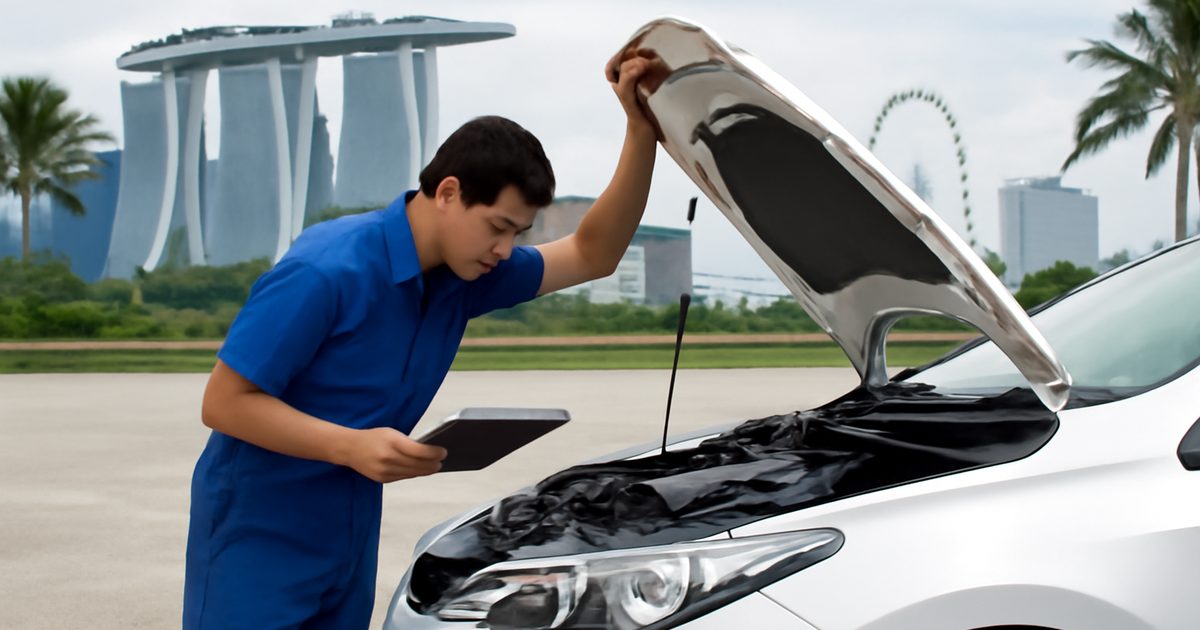
A proper car evaluation in Singapore protects you whether you are buying a used car or trying to value one for sale — it surfaces hidden accident damage, flood history, mechanical faults and a fair price before money changes hands. This guide is for buyers wanting an independent pre-purchase inspection, sellers seeking an honest valuation, and anyone unsure what a thorough check should actually cover. We explain the types of evaluation, what gets examined, how independent inspectors differ from STA-style checks, and typical SGD pricing.
The types of car evaluation
“Evaluation” covers a few distinct services, and you should match the one you need to your situation.
Pre-purchase inspection (buying)
An independent inspector examines a used car before you commit, looking for accident repairs, rust, mechanical issues and signs of tampering. This is the most valuable check for a private or open-market purchase, where you have less recourse than buying from a dealer with a warranty.
Valuation for selling or trade-in
A valuation estimates what your car is realistically worth given its condition, mileage, COE situation and the current market. Sellers use it to set an asking price or to sanity-check a dealer’s trade-in offer. Note that a valuation is about price, while an inspection is about condition — though a good evaluation considers both.
Accident and flood history check
Beyond the physical inspection, you can check a vehicle’s background for past accident claims or flood damage. Flood-damaged cars are a particular hazard in the region: water intrusion causes long-term electrical and corrosion problems that may not show up on a quick test drive.
What a thorough inspection covers
A genuinely useful pre-purchase inspection goes well beyond a walk-around. Expect it to examine, at minimum:
- Structural integrity: chassis, pillars and panel gaps for signs of major accident repair or straightening.
- Paint and bodywork: paint-thickness readings and panel alignment that reveal resprays or hidden damage.
- Engine and transmission: leaks, noises, error codes via a diagnostic scan, and behaviour under a test drive.
- Underbody and suspension: rust, corrosion, worn bushings and signs of flood exposure.
- Electrical and electronics: warning lights, infotainment, sensors and ECU fault codes.
- Tyres, brakes and fluids: wear, condition and any deferred maintenance.
- Mileage and documentation: consistency between the odometer, service history and overall wear.
Ask for a written report with photos. A verbal “looks fine” is not an evaluation you can rely on or refer back to.
Independent inspector vs STA-style centre
You broadly have two routes. An authorised inspection centre (such as the established testing centres used for periodic inspection) offers standardised checks and a recognised report. An independent inspector or workshop can often be more flexible — coming to the seller’s location, doing a deeper diagnostic, and giving candid buying advice. Many buyers use an independent specialist precisely for that frankness and convenience. Whichever you choose, what matters is a documented, systematic process rather than a cursory glance, and an evaluator with no stake in the sale.
Typical pricing in Singapore
Evaluation cost depends on depth, whether it includes a diagnostic scan and paint readings, and whether the inspector travels to the car. As a qualitative guide:
- Basic pre-purchase inspection: a modest fee in the low-to-mid hundreds for a standard report.
- Comprehensive inspection with diagnostics and paint-thickness: higher, reflecting the extra time and equipment.
- Selling valuation: some services value a car at low cost or bundle it with a sale enquiry; standalone formal valuations cost more.
- Background/history checks: typically an add-on fee on top of the physical inspection.
Set against the price of a used car, a thorough inspection is cheap insurance. Get a written quote stating exactly what is included before booking.
How to choose a good evaluator
Independence and thoroughness are everything. Look for:
- No conflict of interest: an inspector who is not selling you the car and has no incentive to gloss over faults.
- A documented checklist and written report: with photos and a clear summary you can use to negotiate or walk away.
- Proper equipment: a diagnostic scanner and paint-thickness gauge, not just eyes and a torch.
- Flood and accident history checks: offered or advised where the car’s background is unclear.
- Candid advice: willingness to tell you to walk away, which is the whole point of paying for an independent opinion.
Compare dealers, inspectors and valuation services on our car dealers category page, or browse the full WhitePages.sg directory for related automotive services.
Red flags to avoid
- No written report — only a verbal verdict you cannot refer back to.
- An “inspector” connected to the seller or the sale, creating a conflict of interest.
- No diagnostic scan or paint-thickness check on a modern car.
- Reluctance to check accident or flood history when the background is unclear.
- Pressure to skip the inspection to “secure the deal” — the surest sign you need one.
Related guides
- Car Services in Singapore: The Complete Guide
- How to Sell a Car in Singapore (2026)
- Best Car Dealers in Singapore (2026 Guide)
- How to Transfer Car Ownership in Singapore
- EV vs Petrol Car in Singapore: Which to Buy
Frequently asked questions
How much does a car inspection cost in Singapore?
A basic pre-purchase inspection typically costs in the low-to-mid hundreds, with comprehensive checks that include diagnostics and paint-thickness readings costing more. Set against a used car’s price, it is inexpensive insurance. Always confirm what the fee includes before booking.
Should I get an independent inspection before buying a used car?
Yes, especially for private or open-market purchases where you have limited recourse. An independent inspector with no stake in the sale can surface hidden accident repairs, flood damage or mechanical faults before you commit, giving you grounds to negotiate or walk away.
How do I check if a used car has flood or accident history?
Beyond a physical inspection, you can request a background check on past accident claims or flood exposure. A thorough inspector also looks for tell-tale signs — underbody corrosion, water lines, musty interiors and inconsistent electrical behaviour — that point to flood damage.
What is the difference between an inspection and a valuation?
An inspection assesses a car’s condition and mechanical health, while a valuation estimates its market price. Buyers usually want an inspection; sellers usually want a valuation. A good evaluation considers both, since condition strongly affects value.
Where can I get a car evaluation in Singapore?
You can use an authorised inspection centre for a standardised report or an independent inspector or workshop for a deeper, more flexible check, often at the car’s location. Browse our car dealers category and the WhitePages.sg directory to compare options.


