
Local Guide
Car Polishing & Paint Correction in Singapore (2026)
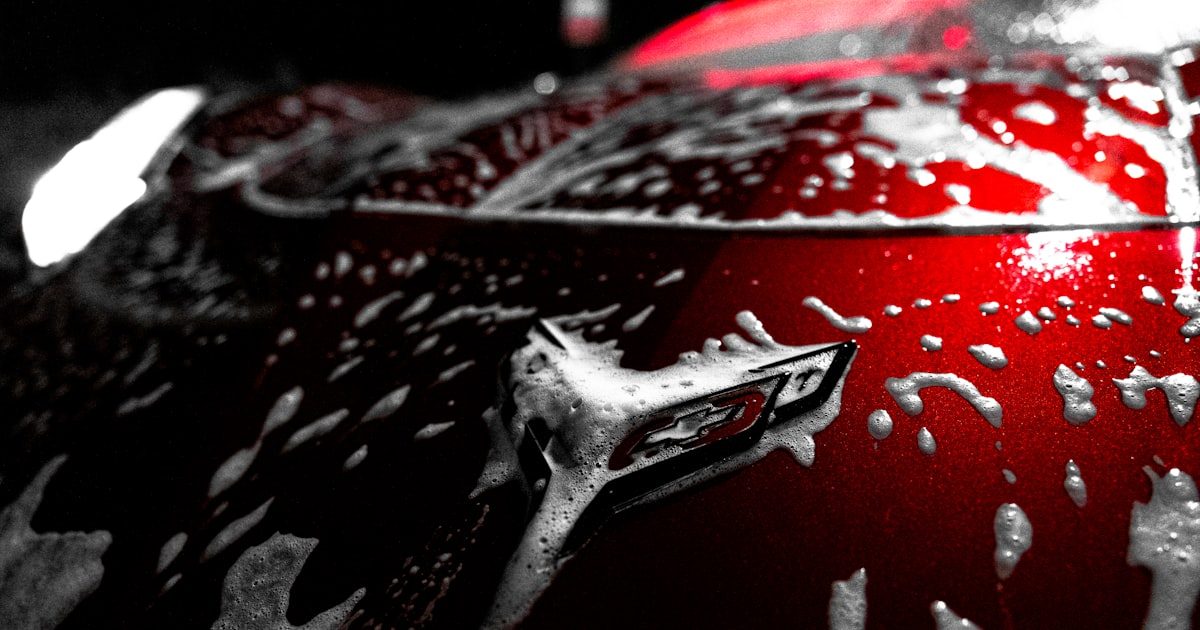
If your car’s paint looks dull, hazy or covered in fine spider-web swirls, car polishing in Singapore is often the fix — and it is also where a lot of confusing jargon lives. This guide is for owners who want to understand the difference between a quick machine polish and proper paint correction, how it relates to coatings, and what a fair price looks like. We focus on how to choose a good detailer rather than naming specific businesses, so you can judge any workshop on its merits.
What polishing and paint correction actually mean
These terms get used loosely, but they describe different levels of work. Knowing which one you need stops you overpaying — or under-buying.
Machine polish (enhancement)
A single-stage machine polish uses a buffing machine and a mild polish to remove light swirls, restore gloss and even out the surface. It improves the look significantly without removing much clear coat. This suits cars in reasonable condition that just look tired.
Paint correction
Paint correction is more thorough. It uses cutting compounds and progressively finer polishes to remove deeper swirls, scratches, water spots and oxidation, levelling the clear coat to restore clarity. Because it removes a controlled amount of clear coat, it should be done carefully and not repeated endlessly.
Single-stage vs multi-stage
A single-stage correction makes one pass to improve most defects, while multi-stage correction uses several steps (cut, polish, refine) for badly marred paint or for a near-flawless finish. More stages mean more labour and a higher price, so match the level to your car’s actual condition rather than the most expensive option offered.
Polishing versus coating — they solve different problems
One of the biggest points of confusion is the difference between polishing and a protective coating.
- Polishing corrects and restores the paint surface itself.
- A coating (such as a ceramic coating) is a protective layer applied after the paint has been corrected, to add gloss and make the surface easier to maintain.
Good practice is to correct the paint first, then protect it. If a workshop applies a coating over swirled, uncorrected paint, you are simply sealing in the flaws. When you ask for a coating, check that paint correction is part of the package.
What to look for in a good detailer
In Singapore’s sun, heat and frequent rain, paint takes a beating, so technique and honesty matter. Look for:
- An honest assessment: a good detailer inspects your paint under proper lighting and tells you whether you need a simple polish or full correction — not always the priciest tier.
- Clear scope: they explain how many stages, what defects they expect to remove, and what may remain (some deep scratches cannot be safely polished out).
- Proper prep: a thorough wash and decontamination before polishing, so they are not grinding dirt into the paint.
- A controlled environment: an indoor, well-lit, dust-managed space gives a better and safer result than an open-air car park.
- Before-and-after evidence: willingness to show you the paint under inspection lights before and after.
- Realistic promises: beware anyone guaranteeing a “100% scratch-free” finish on any car.
Typical pricing in Singapore
Prices vary with your car’s size, paint condition and the number of correction stages, so treat these as qualitative ranges rather than fixed quotes.
- Basic machine polish / enhancement: the most affordable option, suitable for lightly swirled paint.
- Single-stage paint correction: a step up in price, reflecting more careful, time-consuming work.
- Multi-stage correction: the most expensive, as it involves several passes and many hours of labour.
- Car size: a larger SUV or MPV costs more than a compact hatchback because there is more surface area to work.
Correction is often bundled with a coating; if so, ask the workshop to itemise the correction and the coating separately so you understand what you are paying for. To compare providers, browse the car grooming and detailing category, and explore related listings through the main WhitePages.sg directory.
How to judge whether the result is good
After the work, inspect the car in good light, ideally under the workshop’s inspection lamps and again in sunlight. Look for even gloss, a clear reflection, and the absence of fresh holograms or buffer trails (faint streaky marks left by careless machine work). A reputable detailer will happily walk around the car with you and point out what was corrected and what remains.
Red flags to avoid
- “Guaranteed scratch-free” claims — deep scratches that have gone through the clear coat cannot be safely polished out.
- Coating sold without correction — locking swirls under a coating is poor practice.
- Polishing dirty paint with no proper wash or decontamination first.
- Vague pricing that changes after the work starts.
- Holograms or buffer trails visible in the finished result.
- Pressure to always buy the most expensive multi-stage package regardless of your paint’s condition.
Related guides
- Car Services in Singapore: The Complete Guide
- Car Coating Cost in Singapore (2026)
- Best Car Wrap in Singapore (2026 Guide)
- Best Car Wash in Singapore: How to Choose
- Best Car Grooming & Detailing in Singapore
Frequently asked questions
What is the difference between car polishing and paint correction?
Polishing is a broad term, but a simple machine polish mainly enhances gloss and removes light swirls, while paint correction is a more thorough, multi-step process that levels the clear coat to remove deeper swirls, scratches and oxidation. Correction takes longer and costs more, so match it to your paint’s actual condition.
Do I need polishing or a ceramic coating?
They do different jobs. Polishing corrects the paint surface, while a coating protects it afterwards. Ideally you correct first, then coat. If a workshop offers a coating, check that paint correction is included rather than applied over swirled paint.
How often should I polish my car?
Polishing removes a little clear coat each time, so it should not be done too frequently. Many owners correct occasionally and rely on good washing habits and protection in between. A detailer can advise based on your paint’s thickness and condition.
Can polishing remove every scratch?
No. Light swirls and shallow marks can usually be polished out, but scratches that have cut through the clear coat into the paint cannot be safely removed by polishing and may need touch-up or respray. Be cautious of anyone promising a completely scratch-free result.
How much does car polishing cost in Singapore?
It depends on your car’s size, paint condition and the number of correction stages. A basic enhancement polish is the most affordable, single-stage correction costs more, and multi-stage correction is the priciest. Ask for an itemised quote, especially when a coating is bundled in.
How long does car polishing take in Singapore?
A basic polish may take a few hours, while multi-stage paint correction can take a full day or longer depending on paint condition, car size and the level of correction required. Detailers may need extra time for coating or curing. Ask for a realistic timeline and whether a courtesy pickup service is available.
Will polishing damage my car paint?
Polishing removes a very thin layer of clear coat, so excessive or poorly done polishing can thin or damage paint over time. A skilled detailer measures paint thickness, uses suitable pads and compounds, and avoids unnecessary aggressive correction. Beware anyone guaranteeing a 100% scratch-free finish on any car.
How can I maintain my car paint after polishing?
Wash your car with pH-neutral shampoo, use clean microfibre towels, and avoid automatic washes with harsh brushes. Park in shaded or covered areas when possible to reduce sun damage. Regular waxing, sealant or coating maintenance helps protect the finish. Ask your detailer for a care routine suited to your paint.


