
Local Guide
Best Cooking Classes in Singapore (2026 Guide)
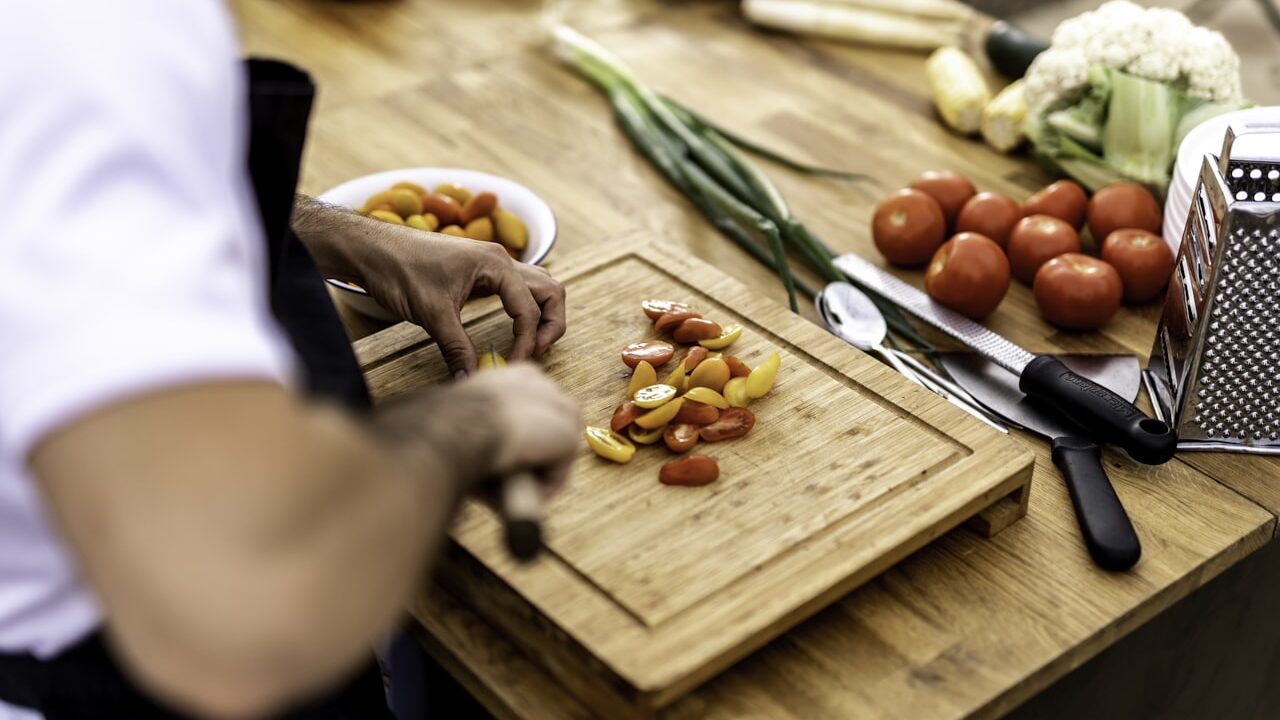
Whether you want to master a single signature dish or build a proper repertoire, cooking classes in Singapore now span everything from laksa and Peranakan kueh to sourdough, fresh pasta and French patisserie. This guide is for home cooks, couples planning a date, parents booking a school-holiday activity and managers organising a team outing — written to help you choose the right format rather than to push any one studio. We organise classes by cuisine type, by format, by area and by price tier, with notes on what’s usually included so you know what you’re paying for.
Class names, schedules and prices change often, so treat everything below as a qualitative guide and check current details with the provider before you book.
Cooking classes by cuisine type
The first decision is what you actually want to cook. Most providers specialise, so pick the cuisine before the studio.
- Asian and local. The most popular category — laksa, Hainanese chicken rice, char kway teow, nasi lemak, Thai green curry, dim sum, sushi and ramen. Good for learning the wet-market ingredients, sauces and techniques behind everyday Singaporean and regional dishes.
- Peranakan and heritage. Nyonya cooking — ayam buah keluak, babi pongteh, kueh and rempah-pounding — is a niche worth seeking out for its cultural depth and the slower, hands-on prep it demands.
- Baking and pastry. Bread, sourdough, viennoiserie, cakes, macarons and tarts. These lean technical, with precise weighing, proving and oven work, so look for small groups and enough oven access per person.
- Pasta and Italian. Fresh pasta from scratch, gnocchi, risotto and pizza. A satisfying hands-on class because you eat what you shape, and the skills transfer easily to weeknight cooking at home.
- Western and patisserie. French technique, plated mains, sauces and desserts for those who want restaurant-style skills rather than a single cuisine.
Hands-on vs demonstration classes
Format matters as much as cuisine. The same dish can be taught two very different ways.
- Hands-on classes. You cook at your own station, knife in hand, and leave with muscle memory rather than just notes. Best for skills you want to repeat at home — pasta, bread, knife work, wok control. Look for small class sizes so the instructor can correct your technique.
- Demonstration classes. The chef cooks while you watch, take notes and taste. More relaxed and often cheaper, and useful for complex or fiddly dishes where doing it yourself first time is unrealistic. Less suited to people who learn by doing.
- Hybrid formats. Many classes demo a technique, then have you replicate it. This is often the sweet spot for beginners, combining guidance with practice.
One-off classes vs multi-session courses
Decide whether you want a single fun session or genuine progression.
- One-off classes. A two-to-four-hour session focused on one dish or theme. Ideal for a date, a gift, a tourist experience or simply trying something new with no commitment.
- Multi-session courses. A structured series — say four to eight weeks — that builds foundations such as knife skills, stocks, doughs or a whole cuisine step by step. Better value per skill learned, and the right choice if you want to genuinely improve rather than tick off a one-time experience.
- Kids and family workshops. Often run during school holidays, these are shorter, simpler and supervised, focused on fun bakes and no-flame steps. Check the minimum age and the adult-supervision policy.
Cooking classes for team-building and groups
Cooking is a popular corporate and group activity because it forces collaboration and ends with a shared meal.
- Team-building sessions. Groups split into stations and either race or jointly plate a menu. Good for breaking the ice and rewarding a team. Ask about maximum group size, whether the venue can be booked exclusively, and whether dietary needs can be accommodated.
- Private and bespoke classes. Many providers run private sessions for hen parties, birthdays and family gatherings, sometimes built around a cuisine or dietary preference you request.
- What to confirm. Group ratios (how many instructors per head), apron and equipment provision, and whether the price includes the meal you cook plus drinks.
What’s usually included
Before comparing prices, check what each fee actually covers. Reputable providers are clear about this.
- Ingredients and equipment. Most hands-on classes include all ingredients, aprons, tools and a workstation. Confirm there’s no surcharge for premium ingredients.
- The food you make. You usually eat what you cook on the spot, or pack it to take home. Baking classes often let you box up your bakes.
- Recipes and follow-up. A printed or digital recipe card to recreate the dish is standard and genuinely useful.
- Drinks and extras. Some classes include a welcome drink or wine pairing; others charge separately. Check before you assume.
Typical pricing in Singapore
Prices vary widely with format, ingredients and group size, so think in tiers rather than fixed figures, and always confirm the current rate.
- Budget tier. Group demonstration classes and community-style workshops sit at the lower end — a relaxed, affordable way to learn one dish.
- Mid tier. Most hands-on single-session classes with all ingredients included fall here. The bulk of the market.
- Premium tier. Small-group patisserie, private sessions, multi-course menus or classes using costlier ingredients (seafood, fine baking) command higher fees. Multi-week courses cost more overall but often work out better value per skill.
How to choose by area
Singapore’s cooking studios cluster in a few familiar zones, so factor travel into your choice.
Central and city
The widest range of studios sits in and around the city and central neighbourhoods, convenient by MRT and well suited to after-work and weekend classes.
East and west
The east and heartland areas host plenty of home-based and neighbourhood studios, often friendlier on price and good for local and baking classes closer to where you live.
To find providers near you, browse our art and craft classes category, which lists workshops and studios by area, and use the wider WhitePages.sg directory to compare options before booking.
Related guides
- Education & Enrichment in Singapore: The Complete Guide
- Best Kids’ Cooking Classes in Singapore (2026 Guide)
- Best Art & Craft Classes in Singapore
- Best Pottery Classes in Singapore (2026 Guide)
- Best Baking Classes in Singapore: How to Choose
Frequently asked questions
How much do cooking classes in Singapore cost?
It depends on the format. Group demonstration classes are the most affordable, hands-on single sessions sit in the middle, and small-group patisserie, private or multi-week courses cost the most. Prices change often, so confirm the current rate and exactly what it includes before booking.
Are cooking classes suitable for complete beginners?
Yes. Many classes are designed for beginners, with the instructor demonstrating each step before you try it. Look for small class sizes and a hybrid demo-then-practise format, and tell the provider your level when you book so they can pitch it right.
Do cooking classes include the ingredients and the food?
Most hands-on classes include all ingredients, equipment and aprons, and you eat or take home what you make. A recipe card to recreate the dish is usually provided. Always check whether drinks and any premium ingredients carry an extra charge.
Can I book a cooking class for a group or team-building?
Yes. Many providers run private and team-building sessions for offices, birthdays and hen parties. Ask about the maximum group size, instructor-to-guest ratio, exclusive use of the venue, and whether dietary requirements can be accommodated.
Where can I find cooking classes near me?
Start with our art and craft category for workshops organised by area, then use the full directory to compare studios, formats and locations near you.
What cuisines can I learn at cooking classes in Singapore?
Cooking classes in Singapore cover local dishes such as laksa, chicken rice and Peranakan cuisine, plus Asian cuisines like Thai, Japanese and Indian, and Western baking, pasta and pastry. Some schools specialise in vegetarian, halal or healthy cooking. Choose based on what you want to cook at home, and check whether classes are hands-on or demonstration.
Are there cooking classes for kids in Singapore?
Yes, many cooking schools in Singapore run kids’ classes, holiday camps and parent-child sessions focused on simple baking and safe kitchen skills. Classes are usually grouped by age, with closer supervision for younger children. Check the age range, allergy policies and whether parents need to stay for the session before booking.
Do cooking classes in Singapore cater to dietary restrictions?
Many cooking classes can accommodate dietary needs such as vegetarian, halal or allergy-related restrictions if you let them know in advance. Some schools run dedicated vegetarian or halal-friendly classes. Confirm when booking whether substitutions are possible, since shared kitchens and set recipes may make certain allergens hard to avoid completely.


