
Local Guide
Best Kids’ Cooking Classes in Singapore (2026 Guide)
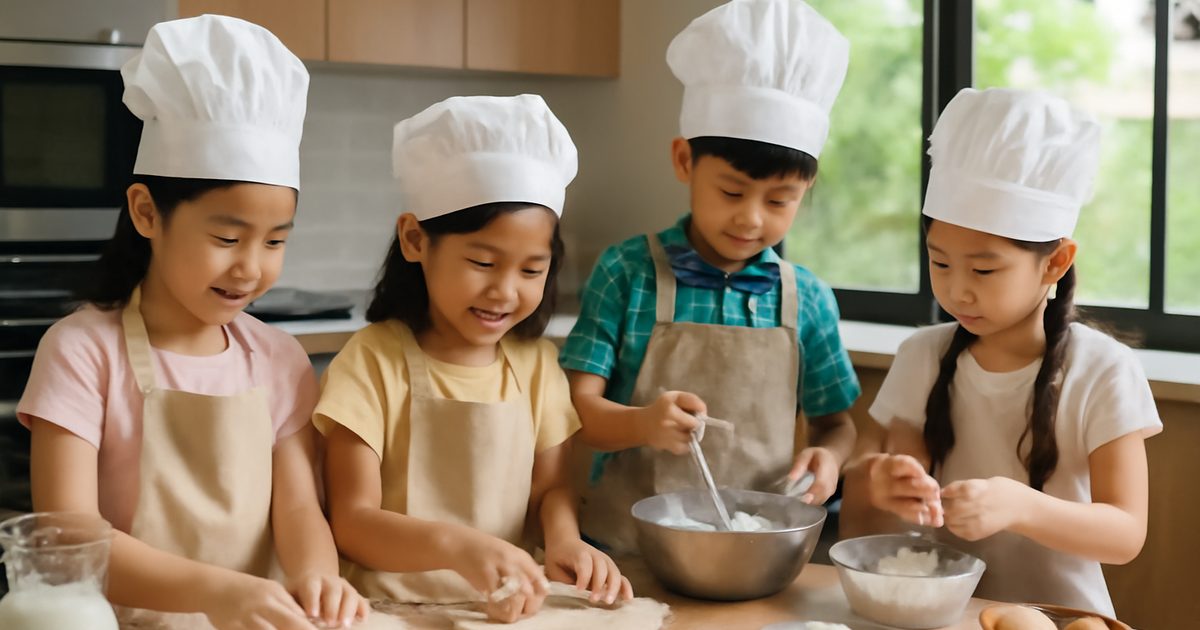
Cooking is one of the most rewarding hobbies a child can pick up, and good kids’ cooking classes in Singapore teach far more than recipes — they build confidence, motor skills, an adventurous palate and a sense of independence in the kitchen. This guide is for parents choosing a first class, a regular enrichment activity, or a fun holiday workshop. We cover age groups, safety and hygiene, baking versus cooking, class size, and how pricing works so you can choose with confidence.
The right class depends heavily on your child’s age and whether you want a one-off fun session or ongoing skills. If you would rather compare providers directly, browse the art and craft category for shortlisted options around the island.
Baking vs cooking classes
Children’s classes generally split into baking and savoury cooking, and they offer quite different experiences.
Baking and decorating
Baking — cupcakes, cookies, simple cakes — is hugely popular with younger children because it is colourful, hands-on and ends in something sweet to take home. Decorating sessions add a creative, craft-like element that suits children who love arts and crafts. The measuring and following of steps also gently builds maths and reading-instruction skills.
Savoury cooking
Cooking classes covering pizzas, pasta, dumplings or simple local dishes lean more towards real-life skills and broadening a child’s palate. They often involve more knife work and heat, so they tend to suit slightly older children and place a higher premium on supervision and safety. Many providers offer both streams, so you can match the class to your child’s interests.
Age groups: matching the class to your child
Age suitability is the single most important factor, because a class pitched wrong will either overwhelm or bore a child.
- Younger children (roughly preschool to lower primary): Expect simple, mostly no-knife, low-heat activities — mixing, rolling, decorating, assembling — with close adult support and short, engaging sessions.
- Middle primary: Children can handle more steps, child-safe knives under supervision, and follow a recipe more independently, building real technique.
- Older children and teens: Classes can introduce proper knife skills, stovetop cooking and more ambitious dishes, fostering genuine kitchen independence.
Always check the stated age range for a class and be honest about your child’s experience and confidence rather than just their age — a cautious eight-year-old and a bold one may suit different sessions.
Safety and hygiene: what to check
With children, heat, sharp tools and food handling, safety is non-negotiable. This is the area to scrutinise before booking:
- Adult-to-child ratio: The lower the ratio, the more closely each child is supervised around knives and heat. Ask how many helpers there are per group.
- Age-appropriate tools: Good providers use child-safe knives and supervise or handle hot-stove and oven steps themselves for younger groups.
- Hygiene routine: Look for handwashing at the start, aprons, hair tied back, and clean, well-maintained stations — basic food-hygiene habits the class should both model and teach.
- Allergy handling: Ask how the provider manages common allergens (nuts, eggs, dairy, gluten) and whether they can accommodate or substitute. Always declare your child’s allergies clearly when booking.
- Dietary options: Some providers offer halal-friendly, vegetarian or other options — confirm in advance if this matters for your family.
Class size and format
Class size affects both safety and how much your child actually does. Smaller groups mean closer supervision and more genuine hands-on time, whereas large classes can leave children watching or waiting their turn. Ask whether each child gets their own station and ingredients or works in a shared group, since individual hands-on cooking is far more engaging and educational than taking turns.
Consider the format too. Regular weekly or termly classes build skills progressively and suit children who take to cooking, while one-off sessions are great for trying it out, a birthday treat or a school-holiday activity without a long commitment.
Holiday workshops and one-off sessions
School-holiday cooking workshops are a popular, lower-commitment way in. They often run as multi-day camps or themed single sessions — festive bakes around the holidays, for example — and are ideal for keeping children busy and learning during the breaks. Because they are intensive, ask about the daily schedule, group size and whether the same skills build across days or each session stands alone. Holiday workshops also make a good trial before committing to a full term of regular classes.
Typical pricing in Singapore
Kids’ cooking classes are usually billed per session, per workshop or as a term package, with rates depending on session length, ingredients, class size and whether it is a one-off or a course. As rough qualitative tiers in SGD:
- Single trial or drop-in session: A one-off class is the most flexible option and a good way to test the waters, typically priced per child per session.
- Holiday workshops and camps: Multi-day or multi-session packages, generally priced as a bundle — work out the per-session cost to compare fairly.
- Regular term courses: Weekly classes over a term often come at a better per-session rate than drop-ins and build skills progressively.
Check whether ingredients, aprons and take-home containers are included or charged separately, and confirm current rates directly with the provider, as these change. For verified enrichment providers across Singapore, the WhitePages.sg directory is a good place to start comparing.
Related guides
- Education & Enrichment in Singapore: The Complete Guide
- Best Cooking Classes in Singapore (2026 Guide)
- Best Art & Craft Classes in Singapore
- Best Pottery Classes in Singapore (2026 Guide)
- Best Baking Classes in Singapore: How to Choose
Frequently asked questions
What age can children start cooking classes?
Many providers run classes for children from the preschool years upward, with younger groups focused on safe, no-knife activities like mixing, rolling and decorating. As children grow, classes introduce child-safe knives and supervised stovetop work. Always check the stated age range and pick a class matched to your child’s age and confidence.
Are kids’ cooking classes safe with knives and heat?
Reputable providers manage this carefully — using child-safe knives, keeping a low adult-to-child ratio, and having instructors handle or closely supervise hot-stove and oven steps, especially for younger groups. Before booking, ask about supervision ratios and how they handle sharp tools and heat for your child’s age group.
How do classes handle food allergies?
Good providers ask about allergies at booking and can often substitute or accommodate common allergens like nuts, eggs, dairy and gluten, though policies vary. Always declare your child’s allergies clearly and confirm how a specific class manages them before you sign up, rather than assuming.
Baking or cooking classes — which is better for my child?
Baking and decorating are colourful, creative and very popular with younger children, while savoury cooking leans towards real-life skills and broadening the palate for slightly older ones. Many providers offer both, so match the class to your child’s interests and age. A one-off session is a good way to see which they enjoy more.
Are holiday cooking workshops worth it?
Yes, for many families. Holiday workshops keep children engaged and learning during the breaks, work as a low-commitment trial before a full term, and often come as good-value multi-day bundles. Check the daily schedule, group size and whether the sessions build on each other or stand alone.
How much do kids’ cooking classes cost in Singapore?
Kids’ cooking class cost depends on the format, such as one-off workshops, term courses or holiday camps, plus class length, ingredients and group size. Hands-on classes where each child cooks a full dish usually cost more. Check what is included, such as aprons, ingredients and take-home food, and ask about sibling or package discounts.
What do children learn in a cooking class?
Children typically learn kitchen safety, hygiene, measuring, following recipes, basic knife skills appropriate to their age and simple cooking or baking techniques. Classes also build confidence, teamwork and an interest in healthy food. Older children may learn more advanced dishes. Ask the school for a sample syllabus to see how skills progress.
Can kids’ cooking classes be booked for birthday parties?
Yes, many cooking studios in Singapore host birthday parties where children bake cupcakes, make pizzas or decorate cookies together. Packages often include ingredients, aprons, a host and party space. Book a few weeks ahead, confirm the number of children and age range, and share any food allergies so the menu can be adjusted.


