
Local Guide
Dance Classes in Singapore: How to Choose
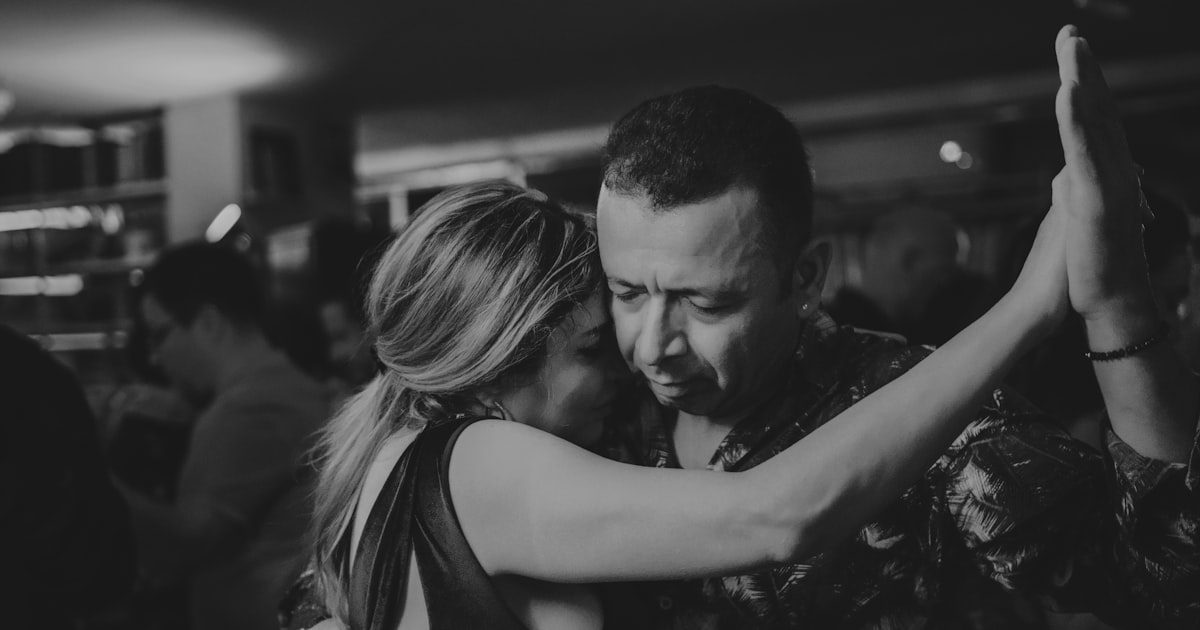
Picking the right dance class in Singapore comes down to matching the style, format and teaching to what you actually want — whether that is getting fit, learning a routine for fun, or working towards a graded exam. This guide walks you through the popular styles on offer, the difference between casual drop-ins and structured courses, and the practical things to check before you commit, from studio facilities to instructor experience. It is written for adults and parents alike, so you can ask the right questions and avoid paying for a programme that does not fit.
Popular dance styles and who they suit
Singapore studios cover a broad spread of genres, and the style you choose shapes everything from class energy to footwear. Trying a taster class in two or three styles is the quickest way to find your fit before paying for a term.
- Hip-hop and street — high energy, beginner-friendly, and popular across all ages. Great if you want a workout with attitude and do not mind learning choreography in groups.
- Contemporary and lyrical — expressive and floor-based, blending modern and balletic movement. Suits those who want range, control and a more emotional style of performance.
- K-pop and dance covers — fast-growing in Singapore, built around learning routines from popular tracks. Ideal for fans who enjoy nailing a polished, camera-ready cover.
- Ballroom — partner dancing such as waltz, foxtrot and quickstep. Often chosen by couples, social dancers and those preparing for events or weddings.
- Latin — salsa, bachata, cha-cha and rumba, taught socially or competitively. Vibrant and sociable, with plenty of party nights to practise.
- Jazz and ballet — the technical foundations behind much of stage dance. Ballet in particular underpins posture and discipline, and is common as a base for children.
Kids versus adults: what changes
The right programme looks quite different depending on age, so it is worth being clear about who is enrolling.
For children
Younger learners are usually grouped by age and ability, with shorter sessions and a strong focus on coordination, musicality and confidence. Many studios structure children’s tracks around progression — moving up levels each year — and may build towards a year-end recital or a graded examination. Look for class sizes small enough that the teacher can give individual correction, and ask whether parents can observe occasionally.
For adults
Adult classes lean towards fitness, social connection and self-expression, with more flexible attendance. Beginners are common, so do not be put off if you have never danced — most studios run dedicated entry-level sessions. Evening and weekend slots are the norm to fit around work, and some venues offer ladies-only or seniors-friendly options.
Drop-ins versus structured courses
How a studio sells its classes affects both cost and how quickly you improve. There is no single best answer — it depends on your goals and schedule.
Beginner drop-ins let you pay per class and attend when you like. They are forgiving for busy schedules and great for sampling styles, but because the group changes week to week, progress can feel slower and choreography may restart each session.
Structured courses or terms follow a syllabus over a set number of weeks, with the same cohort building on previous material. You will generally improve faster, enjoy a more consistent group, and often pay less per session — but you commit upfront and missing classes can leave gaps. If you are serious about technique, a course usually delivers better value than ad-hoc drop-ins.
Recitals, graded exams and performance pathways
If you or your child want a goal to work towards, ask how a studio handles performance and assessment.
Recitals and showcases are end-of-term performances that build stage confidence and give a tangible milestone. Check whether costume and ticket fees are extra, as these can add up.
Graded examinations — common in ballet and some other genres — follow an internationally recognised syllabus and award certificated levels as students progress. These suit families wanting a structured, long-term pathway. Exams typically carry separate entry fees and require extra preparation classes, so factor that into your budget and time. For casual dancers, exams are entirely optional and many studios run purely recreational tracks.
Studio facilities and instructor experience
Two studios teaching the same style can offer very different experiences. A quick visit or trial class tells you more than any website.
What to check in the studio
- Flooring — sprung or cushioned floors reduce strain on joints and are important for jumping-heavy styles. Bare concrete is a red flag.
- Mirrors and space — full-length mirrors and enough room to move without colliding matter for learning and safety.
- Ventilation and sound — good air-conditioning and a clear sound system make a real difference in Singapore’s climate.
- Location — proximity to an MRT station or parking affects how consistently you will actually attend.
Judging the instructor
Experience matters more than titles. Ask how long the instructor has taught, whether they perform or compete, and how they handle mixed-ability groups. A good teacher breaks moves down clearly, gives individual corrections, and adjusts pace to the room. Smaller class sizes generally mean more attention per student.
Typical pricing in Singapore
Dance pricing varies with style, studio location and instructor reputation, so treat the following as broad ranges rather than fixed figures. Trial classes are often discounted or free, and packages reward commitment.
- Single drop-in class: typically around $25–$45 per session, sometimes higher for specialist or guest-led classes.
- Multi-class packages: buying a bundle of classes usually lowers the per-class rate compared with paying as you go.
- Term or course enrolment: often the best value per class, billed as a lump sum across a set number of weeks.
- Private one-to-one lessons: command a premium given the individual attention, and are popular for ballroom, wedding-dance prep or exam coaching.
Always ask what is included — registration fees, costume or exam fees, and term commitments can change the true cost. To compare studios near you, browse the dance studios category or search the full WhitePages.sg directory. If general fitness is also a goal, a gym membership guide may help you weigh your options.
Related guides
- Fitness & Sports in Singapore: The Complete Guide
- Best Dance Studios & Classes in Singapore
- Best Hip-Hop Dance Classes Singapore (2026)
- Best Zumba Classes in Singapore (2026 Guide)
- Best Zumba Classes in Singapore (2026 Guide)
Frequently asked questions
Do I need any experience to join a dance class in Singapore?
No. Most studios run dedicated beginner classes and welcome complete first-timers. Look for sessions explicitly labelled “beginner” or “foundation”, and consider a trial class first so you can gauge the pace and the teaching style before committing to a term.
What age can children start dancing?
Many studios accept children from around three or four years old in playful, movement-based classes, with more formal technique introduced as they grow. Classes are usually grouped by age and ability, so there is generally a suitable level whether your child is a toddler or a teenager.
How often should I attend to see progress?
Once a week is enough to learn steadily and enjoy yourself, while two or more sessions a week noticeably speeds up improvement. Consistency matters more than intensity, so pick a frequency you can realistically sustain around work or school.
Are graded dance exams worth it?
They are worthwhile if you want a structured, certificated pathway and a clear sense of progression, which appeals to many families. For purely recreational dancers, exams are optional — plenty of studios run social and performance tracks with no assessment at all.
What should I wear to my first class?
Comfortable, breathable clothing you can move freely in is fine to start. Footwear depends on the style — trainers for hip-hop, specific shoes for ballroom or Latin, and bare feet or socks for contemporary — so check with the studio, as many let beginners hold off on buying specialist gear.


