
Local Guide
Best Dance Studios & Classes in Singapore
Whether you want your child to sit graded ballet exams, fancy learning a K-pop routine, or simply want an adult beginner class that won’t leave you feeling out of place, finding the right dance class in Singapore comes down to matching the studio to your goals. This independent guide walks through the main styles on offer, what separates a good studio from a mediocre one, the pricing you can realistically expect, and the red flags worth avoiding before you sign a term package.
Singapore has a dense and varied dance scene — from established schools running RAD and ISTD syllabi to nimble street and K-pop studios clustered around town and the heartland malls. We’ve kept this practical and qualitative: no fabricated rankings, just the criteria a sensible Singaporean would use to choose.
Dance styles and who they suit
Most studios specialise in a few styles rather than everything, so it helps to know what you’re after before you browse.
Ballet & kids’ graded exams (RAD, ISTD)
Ballet is the most structured pathway, especially for children. Schools following the Royal Academy of Dance (RAD) or Imperial Society of Teachers of Dancing (ISTD) syllabi offer graded examinations that build technique progressively and give a recognised record of achievement. This suits parents who want a long-term, disciplined programme. Adult ballet classes also exist for those returning to it or starting fresh.
Hip-hop & street
Hip-hop, breaking, popping and locking are hugely popular with teens and young adults, and many studios run open-level classes you can drop into. Street styles are generally less rigid than ballet, focus on groove and freestyle, and are a good entry point for people who find structured technique classes intimidating.
K-pop & cover dance
K-pop classes teach choreography from popular tracks, often as a one-off “learn this routine” session or a short series. They’re sociable, beginner-friendly and a fun way to get moving without committing to a syllabus. Some studios run cover-dance teams and showcase performances for the more committed.
Jazz & contemporary
Jazz blends technique with performance flair and pairs well with musical-theatre interests. Contemporary emphasises fluidity, floorwork and expression, and often appeals to dancers who’ve outgrown ballet’s formality but still want grounding in technique. Both are commonly offered for older children, teens and adults.
Latin, ballroom & social dance
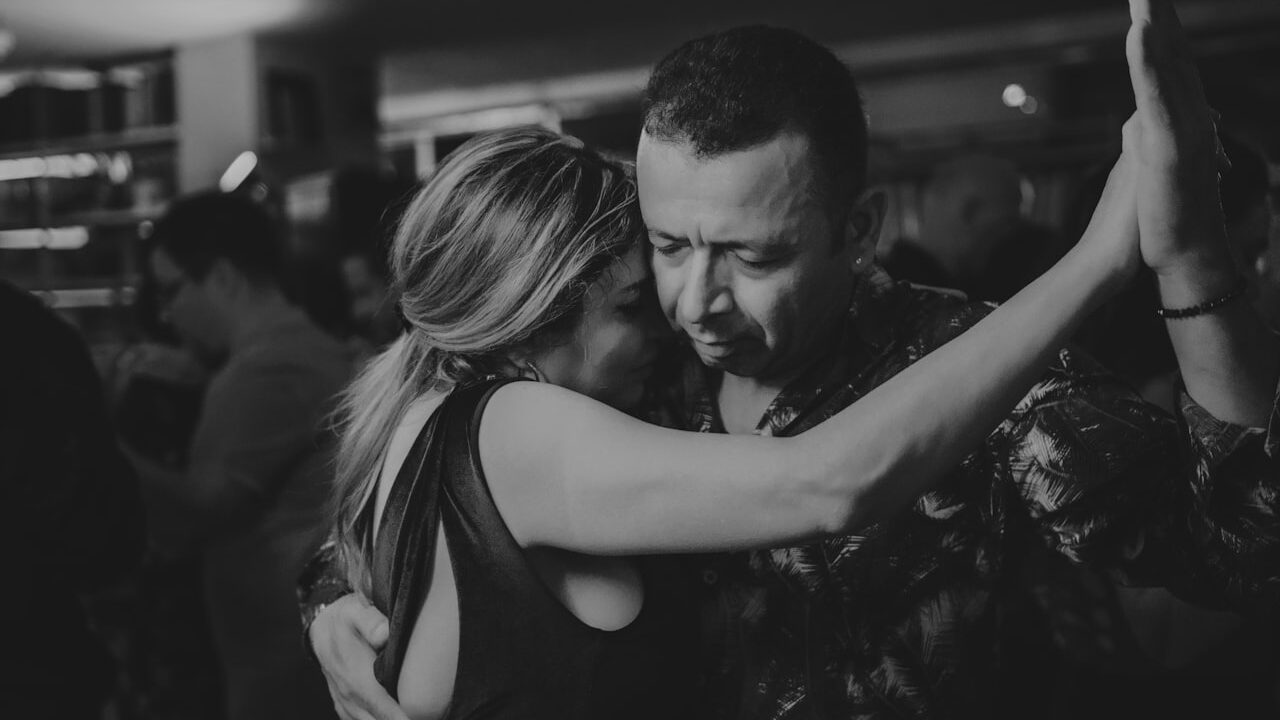
Salsa, bachata, cha-cha, rumba and ballroom styles draw adults wanting a social, partnered hobby — popular with couples and with people looking to meet others. Many studios run social nights or practice sessions alongside lessons, so you can apply what you learn in a relaxed setting.
Adult beginner classes
If you haven’t danced since school, look specifically for classes labelled “beginner” or “absolute beginner”. A good adult beginner track moves at a sensible pace, doesn’t assume prior technique, and isn’t just a watered-down kids’ class. This is where trial lessons matter most.
What to look for in a dance studio
Once you know your style, these are the concrete things worth checking before committing.
- Qualified instructors. For graded ballet, ask whether teachers are RAD- or ISTD-registered. For other styles, look for genuine performance or teaching experience rather than vague claims. A quick conversation usually reveals how much an instructor actually knows.
- Separate kids and adult tracks. Children and adults learn at different paces and need different cueing. Studios that thoughtfully separate the two — and group children by age, not just by level — tend to teach better.
- Class size. Smaller classes mean more correction and attention. Ask the typical cap; large drop-in K-pop sessions are fine for fun, but technique-focused classes benefit from fewer students per teacher.
- Trial classes. A studio confident in its teaching usually offers a trial or first-class rate. Use it to judge the instructor, the vibe and whether the level genuinely matches the description.
- Sprung floors & facilities. A proper sprung or cushioned floor reduces joint impact and matters for anyone dancing regularly, especially jumping styles. Also check mirrors, ventilation, changing space and how clean the studio is.
- Recital & exam opportunities. If your child wants to progress, ask whether the school enters students for exams and stages year-end recitals — these give structure and motivation. If you just want a hobby, you may prefer a studio with no exam pressure.
It’s also worth checking location and timing against your week — a studio near an MRT line or your neighbourhood mall is far more likely to keep your child (or you) attending consistently. You can compare options by area through the dance studios category on WhitePages.sg.
Typical pricing for dance classes in Singapore
Prices vary widely by style, studio reputation, instructor and central versus heartland location. Treat the following as broad ranges to sanity-check quotes, not fixed figures — always confirm directly with the studio.
- Drop-in / single class: roughly $25–$45 per session for open-level hip-hop, K-pop or social-dance classes. Trial or intro rates are sometimes lower.
- Term packages (kids’ syllabus classes): often billed per term or per month, commonly in the region of $120–$300+ per month depending on the number of weekly classes, the syllabus and the school’s standing. Exam fees, costumes and recital charges are usually separate.
- Monthly unlimited / multi-class passes (adults): studios offering unlimited or bundled passes typically land somewhere around $150–$350 a month, which works out cheaper per class if you attend often.
- Private lessons: the most expensive option, frequently $80–$200+ per hour depending on the instructor and style.
Watch for add-ons: registration fees, exam and costume costs, and recital participation charges can add up over a year, so ask for the full picture before comparing studios on headline class price alone.
How to evaluate a studio before you commit
A short, methodical approach saves money and disappointment:
- Shortlist by style and location. Narrow to two or three studios that teach your style and are realistically convenient to attend.
- Book trial classes. Sit in or take part. Watch how the instructor manages the class, corrects technique and includes beginners.
- Ask direct questions. Instructor qualifications, class size, what’s included in the fee, exam and recital policy, and the make-up policy for missed classes.
- Read independent reviews. Look for consistent themes across multiple sources rather than a handful of glowing one-liners.
- Check the contract terms. Understand notice periods, refunds and how unused term credits are handled before you pay.
If you’re weighing dance against other ways to stay active, our guides to the best yoga and Pilates studios in Singapore and the best gyms in Singapore use the same evaluation logic, and you can browse every category in the full WhitePages.sg directory.
Red flags to avoid
- Pressure to lock into long packages before you’ve taken a single class. A reputable studio lets you trial first.
- Vague or unverifiable instructor credentials, especially for graded ballet where registration matters.
- Overcrowded classes where the teacher can’t realistically give corrections.
- Hidden fees surfacing only after you’ve paid — registration, costume, exam and recital charges that weren’t mentioned up front.
- Poorly maintained spaces: hard concrete floors for high-impact styles, stuffy rooms or grubby changing areas signal a studio cutting corners.
- No clear policy on missed classes, make-ups or refunds — ambiguity here usually favours the studio, not you.
Related guides
- Fitness & Sports in Singapore: The Complete Guide
- Dance Classes in Singapore: How to Choose
- Best Hip-Hop Dance Classes Singapore (2026)
- Best Zumba Classes in Singapore (2026 Guide)
- Best Zumba Classes in Singapore (2026 Guide)
FAQ
What age can my child start dance classes in Singapore?
Many studios offer pre-ballet or creative movement from around age three to four, with more structured graded ballet usually starting around five to seven. The right age depends on the child’s attention span and interest — a trial class is the best way to tell if they’re ready.
Do I need any experience to join an adult dance class?
No. Look for classes explicitly labelled “beginner” or “absolute beginner”, which assume no prior technique. K-pop, hip-hop and social-dance classes in particular are designed to be approachable for first-timers.
How much does a dance class in Singapore cost?
Drop-in classes commonly run around $25–$45 each, while term and monthly packages vary widely depending on style, frequency and studio. Treat any figures as ranges and confirm the full cost — including registration, exam and recital fees — directly with the studio.
What’s the difference between RAD and ISTD ballet?
Both are recognised graded syllabi with progressive levels and examinations. They differ in approach and assessment style rather than in legitimacy. If exams matter to you, choose a school registered with whichever body you prefer and stay consistent so your child can progress through the grades.
Should I choose a studio with recitals and exams or one without?
It depends on your goal. Exams and year-end recitals add structure, motivation and a sense of progress, which suits committed learners and children on a pathway. If you just want a relaxed hobby, a studio without exam pressure may be a better fit.


