
Local Guide
Best Engine Oil Change in Singapore: How to Choose
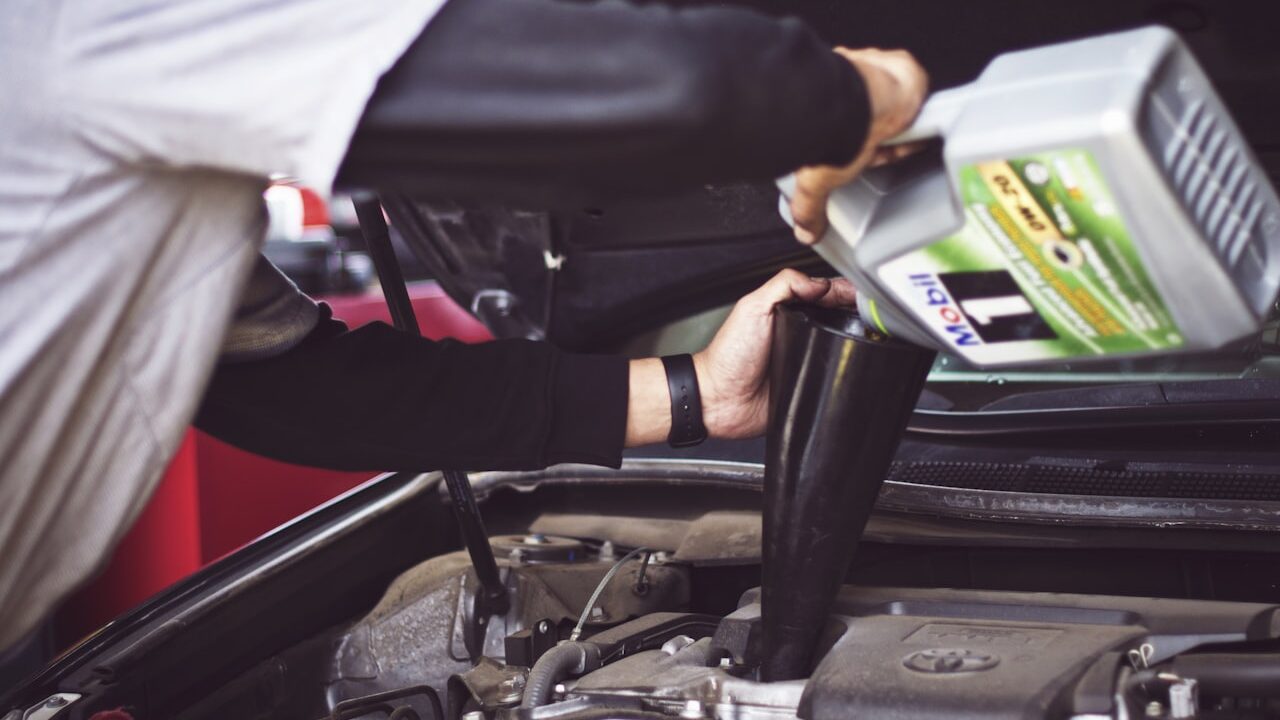
An engine oil change in Singapore is the single most important piece of routine maintenance your car needs, and where you have it done — and with which oil — makes a real difference to engine life and your warranty. This editorial guide explains mineral versus synthetic oils, sensible service intervals, why the oil filter matters, and how authorised and independent workshops compare. We do not name individual workshops; use the criteria below, then shortlist real options through the directory.
Singapore’s stop-start traffic, heat and humidity put engines under more strain than the motorway driving many oils are rated for, so the right oil and a disciplined interval matter more here than the manual’s “ideal” figures suggest.
Mineral, semi-synthetic or fully synthetic
The oil grade is the first decision, and it should follow your manufacturer’s specification rather than the cheapest option on the shelf.
Mineral oil
Refined directly from crude, mineral oil is the most affordable but breaks down faster in heat and needs changing more often. It suits older, simpler engines and low-mileage runabouts, but is increasingly rare as a manufacturer recommendation for modern cars.
Semi-synthetic oil
A blend of mineral and synthetic base oils, this is a middle ground — better protection and longer life than mineral at a moderate price. It is a common choice for older mass-market cars where fully synthetic is not strictly required.
Fully synthetic oil
Engineered for stability, fully synthetic oil resists heat, flows better on cold starts and lasts longest between changes. Most modern engines — especially turbocharged, direct-injection or European models — specify it, and using anything lesser can cause problems and void cover. Always match the viscosity (for example 5W-30 or 0W-20) and the manufacturer approval printed in your handbook.
How often to change your oil
Intervals depend on the oil, the engine and how you drive, so treat manufacturer figures as a maximum rather than a target.
- Mineral oil — typically every 5,000 km or so, as it degrades fastest.
- Semi-synthetic — commonly around 7,000–10,000 km depending on the engine.
- Fully synthetic — often rated for 10,000–15,000 km, though many owners change earlier here.
- Severe-use adjustment — Singapore’s heat, short trips and constant traffic count as severe use, so shortening the interval is sensible, especially for older cars.
- Time as well as distance — low-mileage cars should still change oil at least once a year, as oil degrades with time and moisture.
Don’t forget the oil filter
The oil filter traps the metal particles and contaminants that the oil picks up, and a clogged filter cannot protect a fresh fill of oil. A reputable workshop changes the filter with every oil service as standard, and most manufacturers expect this. Be wary of any quote that skips the filter to shave a few dollars — it is a false economy. Genuine or OEM-equivalent filters are worth specifying, and the drain plug washer should be replaced too. To compare workshops near you, browse the car servicing and repair category on WhitePages.sg, or explore the wider WhitePages.sg directory to shortlist services in your area.
Authorised dealer versus independent workshop
Where you go affects price, convenience and — importantly — your warranty.
Authorised dealers
The agent uses genuine oil and parts, logs the service in your digital record and is the safest choice while a car is under manufacturer warranty. The trade-off is a higher labour rate and less flexibility on parts.
Independent workshops
A good independent can be considerably cheaper and more personal, and many specialise in particular makes. The key is that they use oil meeting your manufacturer’s specification and keep proper records.
Staying warranty-safe
Under consumer protection norms, servicing at an independent workshop does not automatically void a manufacturer warranty, provided the correct specification oil and parts are used and the work is properly documented. Keep every invoice showing the oil grade, approval and parts used, as this is your evidence if a claim ever arises.
What a good oil change includes
A proper service is more than draining and refilling. Look for a workshop that drains the old oil fully, replaces the filter and sump washer, refills with the correct grade and quantity, resets the service indicator and carries out a basic safety check — topping up other fluids, checking the air filter and looking over tyres and brakes. Transparency matters: you should be told the oil brand and grade used and shown the old filter if you ask.
Typical pricing in Singapore
Cost is driven mostly by the oil grade and engine size. Treat the following SGD ranges as indicative only, and always get a quote for your specific car.
- Mineral oil change — often from around $60–$100 including filter for a small engine.
- Semi-synthetic — commonly in the region of $90–$160 depending on quantity and car.
- Fully synthetic — typically $130–$300 or more, with European and larger engines at the upper end.
- Authorised dealer premium — agent servicing usually adds a meaningful margin over an independent for the same grade.
Larger sumps, premium branded oils and added items such as an air-filter change push the figure up, so always ask for an itemised quote before agreeing.
Red flags to avoid
A few warning signs are worth heeding before you commit.
- Reluctance to tell you the exact oil brand, grade and quantity used.
- Skipping the oil filter or sump washer to lower a headline price.
- Pushing an oil that does not match your handbook’s specification.
- No proper invoice or service record, which matters for warranty and resale.
- Vague upselling of unnecessary additives or flushes without explanation.
Related guides
- Car Services in Singapore: The Complete Guide
- Engine Overhaul in Singapore: How to Choose
- Best Engine Tuning & Remapping in Singapore (2026)
- How to Renew COE in Singapore (2026)
- Car Servicing Cost Guide Singapore (2026)
Frequently asked questions
How often should I change my engine oil in Singapore?
It depends on the oil and your driving. Mineral oil suits roughly 5,000 km intervals, semi-synthetic around 7,000–10,000 km and fully synthetic up to 10,000–15,000 km. Because Singapore’s heat, traffic and short trips count as severe use, many owners change earlier than the maximum. Low-mileage cars should still change oil at least once a year, as oil degrades over time regardless of distance.
Is fully synthetic oil worth the extra cost?
For most modern engines, yes — and often it is required rather than optional. Fully synthetic oil resists heat, flows better on cold starts and lasts longer between changes, which suits turbocharged and direct-injection engines common today. Always use the viscosity and manufacturer approval in your handbook; fitting a lesser oil to save money can cause wear and may affect warranty cover.
Will servicing at an independent workshop void my warranty?
Not automatically. Servicing at an independent does not void a manufacturer warranty provided the correct specification oil and parts are used and the work is properly documented. Keep every invoice showing the oil grade, approval and parts fitted. If you prefer maximum peace of mind while under warranty, an authorised dealer keeps everything in the official record, but it costs more.
Why does the oil filter need changing every time?
The oil filter traps metal particles and contaminants that build up in the oil, and a clogged filter cannot protect a fresh fill. A reputable workshop replaces the filter and sump washer with every oil change as standard, and most manufacturers expect it. Any quote that skips the filter to look cheaper is a false economy, as it leaves new oil working through a dirty filter.
How much does an engine oil change cost in Singapore?
As a guide, a mineral oil change with filter often starts around $60–$100, semi-synthetic around $90–$160, and fully synthetic roughly $130–$300 or more, with European and larger engines at the top end. Authorised dealers usually charge more than independents for the same grade. These figures are indicative, so get an itemised quote that states the oil grade and quantity.


