
Local Guide
Motorcycle Workshops in Singapore: How to Choose
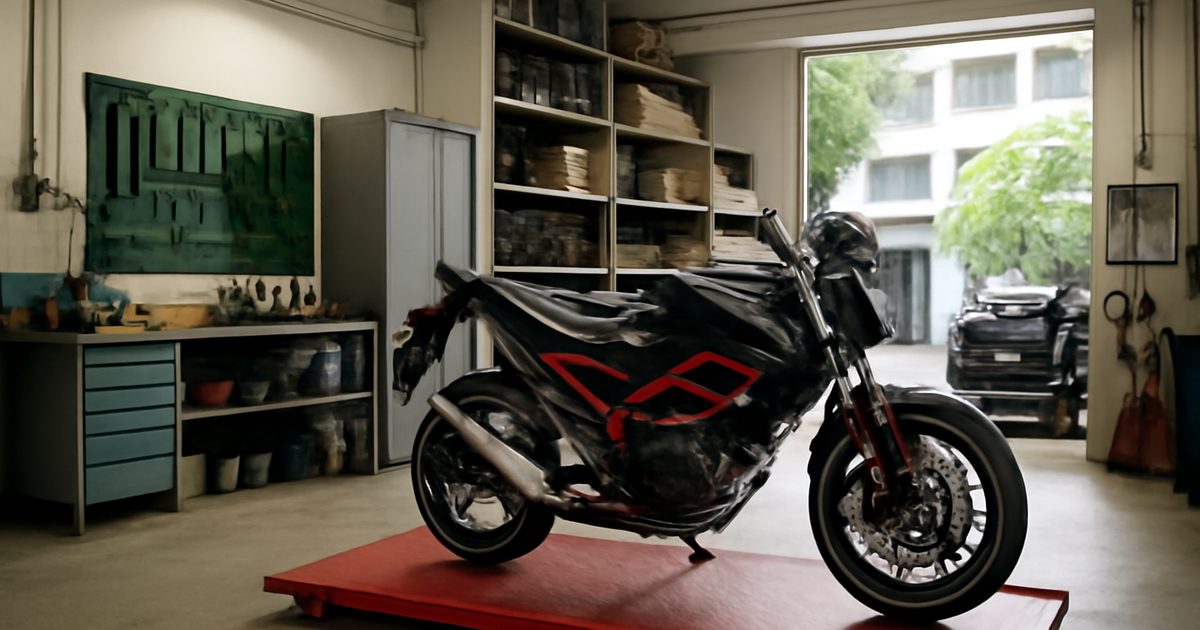
Whether you ride a nippy Class 2B commuter or a big-capacity tourer, the workshop you trust with your bike shapes how safely and cheaply you ride. This guide is for Singapore riders who want to choose a reliable motorcycle workshop in Singapore without overpaying or guessing — covering the difference between servicing, repairs and accessories, when to pick authorised versus independent shops, what genuine parts mean, and the questions worth asking before you hand over your keys.
We do not name specific shops here. Instead, we set out the criteria so you can judge any workshop on its merits and compare options near you on our business directory.
Servicing, repairs and accessories: know what you need
Motorcycle workshops in Singapore tend to specialise, even if many offer everything under one roof. Understanding the three broad categories helps you walk in with the right expectations.
Routine servicing
Scheduled maintenance keeps a bike running well and protects resale value. Typical items include engine oil and filter changes, chain cleaning and adjustment, brake inspection, spark plugs, air filters and a general safety check. Most riders need a service every few thousand kilometres or once or twice a year, whichever comes first — follow the interval in your owner’s manual.
Repairs and diagnostics
Repairs cover anything that has gone wrong: a non-starting bike, electrical faults, a leaking fork seal, worn clutch plates or a suspect wheel bearing. Workshops that handle repairs should have proper diagnostic tools for fuel-injected and modern electronic bikes, not just a mechanic’s intuition. Ask whether they can read fault codes for your make.
Tyres and accessories
Some shops focus on tyres, wheels and bolt-on accessories — grips, exhausts, lighting, top boxes and crash protection. A good tyre specialist will balance wheels, advise on the right compound for Singapore’s wet roads, and dispose of old tyres responsibly. Fitting accessories is fine, but be cautious with modifications that affect roadworthiness.
Match the workshop to your bike class
Singapore licences and bikes fall into Class 2B (up to 200cc), Class 2A (201cc to 400cc) and Class 2 (above 400cc). The class roughly predicts the kind of work — and expertise — you will need.
- Class 2B commuters are usually simple, high-mileage workhorses. Most general workshops can service these well, and parts are widely available. Cost control and quick turnaround matter most.
- Class 2A mid-size bikes often share parts and platforms with larger machines, so look for a shop comfortable with fuel injection and slightly more involved servicing.
- Class 2 big bikes — tourers, sportbikes and adventure machines — may need brand-specific tools, software and trained technicians. For these, an authorised or specialist independent workshop is often worth the premium.
Authorised versus independent workshops
Both have a place, and the right choice depends on your bike’s age, warranty status and your budget.
Authorised workshops are tied to a brand or distributor. They use the manufacturer’s diagnostic software, follow factory procedures and fit genuine parts. If your bike is still under warranty, servicing here usually keeps that warranty intact. The trade-off is higher labour rates and, sometimes, longer waits.
Independent workshops can be excellent value, especially for older bikes out of warranty. The best independents have technicians who trained at authorised centres and built loyal followings. The variation is wider, though, so reputation and transparency matter more. A strong independent will happily explain its process and source quality parts on request.
A useful rule of thumb: stay with an authorised centre while under warranty, then consider a trusted independent once the bike is older and you value flexibility and price over brand procedure.
Common maintenance every rider should understand
You do not need to be a mechanic, but knowing the basics helps you spot when a workshop is doing right by you.
Chain and sprockets
The drive chain needs regular cleaning, lubrication and tension adjustment — neglect leads to a worn chain and sprocket set that must be replaced together. A workshop that checks chain slack at every service is paying attention.
Brakes
Brake pads wear gradually; rotors and brake fluid have longer but real lifespans. Ask to see worn pads when they are replaced. Soft or spongy braking points to fluid that needs bleeding or replacing.
Engine oil
Clean oil of the correct grade is the cheapest insurance for your engine. Confirm the workshop uses the viscosity your manual specifies and changes the oil filter when due.
Tyres
Check tread depth, age and pressure. In Singapore’s frequent rain, worn tyres dramatically increase stopping distance. A reputable shop will flag tyres nearing the wear indicators rather than waiting for you to ask.
Genuine parts, pricing and the LTA context
Genuine (OEM) parts are made or approved by the manufacturer; aftermarket parts vary from excellent to poor. For safety-critical items — brakes, tyres, electrical components — quality matters most. A trustworthy workshop tells you whether a part is genuine or aftermarket and lets you choose.
On pricing, expect to discuss costs in SGD ranges rather than fixed numbers, because work varies by bike and condition. A minor service might fall in the lower tens to low hundreds of dollars, while major work, big-bike servicing or part replacements run higher. Always ask for an itemised quote splitting labour from parts before any work starts.
Roadworthiness also sits in the background. Bikes in Singapore are subject to periodic LTA inspection once they pass a certain age, checking brakes, lights, emissions and overall condition. A workshop that keeps your bike well maintained makes passing inspection far easier — and many shops can advise you on, or help prepare for, the inspection. For a wider look at how independent and authorised car shops compare, our guide to choosing a car workshop in Singapore covers similar principles.
Red flags to avoid
- No written quote. Refusing to itemise labour and parts before work begins is a warning sign.
- Vague answers about parts. A good shop tells you exactly what it is fitting and why.
- Pressure to do extra work immediately without showing you the worn component.
- No record of past services. Reputable workshops keep service history and stamp your book.
- Reluctance to let you collect old parts. You should be able to see what was replaced.
Compare shortlisted shops side by side in the motorcycle services category and read how each describes its expertise before booking.
Related guides
- Car Services in Singapore: The Complete Guide
- How to Choose a Motorcycle Workshop in Singapore
- Best Motorcycle Workshops in Singapore (2026)
- Motorcycle & Scooter Rental in Singapore: How to Choose
FAQ
How often should I service my motorcycle in Singapore?
Follow your owner’s manual, but most bikes need a service every few thousand kilometres or once or twice a year, whichever comes first. High-mileage commuters and big bikes ridden hard may need more frequent attention, especially for oil and chain care.
Are authorised workshops always better than independents?
Not necessarily. Authorised workshops are ideal while your bike is under warranty and for brand-specific work. Once a bike is older, a trusted independent can offer comparable quality at better value, provided it is transparent and uses good parts.
How do I know if a workshop uses genuine parts?
Simply ask. A reputable shop will tell you whether each part is genuine (OEM) or aftermarket, show you packaging where relevant, and let you choose. For brakes, tyres and electrical components, leaning toward genuine or known-quality parts is sensible.
What should I ask before agreeing to repairs?
Ask for an itemised quote separating labour and parts, the expected turnaround time, whether parts are genuine or aftermarket, and whether the work affects any warranty. Confirm you can see the old parts that were replaced.
Will regular servicing help my bike pass LTA inspection?
Yes. Bikes in Singapore face periodic LTA inspection once they reach a certain age, covering brakes, lights, emissions and general condition. A well-maintained bike is far more likely to pass, and many workshops can help you prepare beforehand.


