
Local Guide
How to Choose a Motorcycle Workshop in Singapore
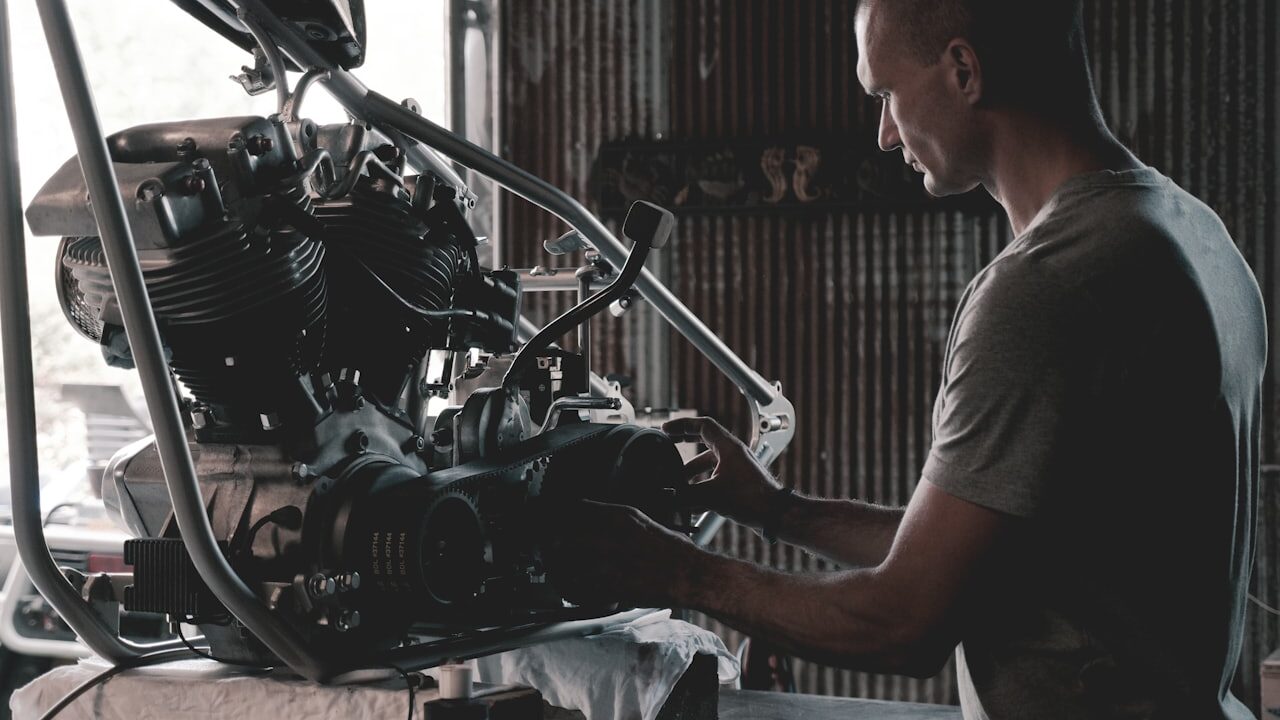
Finding a trustworthy motorcycle workshop in Singapore can be the difference between a bike that passes its LTA inspection first time and one that keeps draining your wallet. Whether you ride a daily commuter scooter, a Japanese naked bike or a European tourer, this guide is for riders who want honest, LTA-compliant work at a fair price. We cover what good workshops actually do, how authorised dealers differ from independents, and how to spot the red flags before you hand over your keys.
It is independent and never sponsored — just the practical reasoning you would want from a fellow rider.
What a good motorcycle workshop does
The best workshops handle far more than an oil change. When you are comparing options, ask which of the following they do in-house versus send out, and how experienced their mechanics are with your specific make.
Routine servicing
This is the bread and butter: engine oil and oil-filter changes, chain cleaning, lubrication and tensioning, brake-pad inspection and bleeding, coolant top-ups, air-filter checks and spark plugs. For chain-driven bikes the chain and sprockets are a wear item that a good mechanic will flag early rather than letting them grind down your drivetrain.
Tyres
Singapore’s wet weather and expressway speeds make tyres a safety item, not an afterthought. A capable workshop will advise on the right compound for mixed commuting and wet grip, check your tread and pressures, and balance new tyres properly. Worn or perished tyres are also a common LTA inspection failure.
Diagnostics
Modern bikes — especially fuel-injected models and European machines — throw fault codes that need a proper diagnostic reader, not guesswork. Ask whether the workshop can plug into your bike’s ECU. Electrical gremlins, ABS faults and intermittent stalling are far cheaper to fix when diagnosed correctly the first time.
Repairs and restoration
Beyond servicing, this covers engine work, suspension rebuilds, electrical repairs, crash damage and full restorations of older or classic machines. Restoration in particular rewards a workshop with patience and a network for sourcing parts.
Performance and accessories
Some workshops fit accessories like crash protection, luggage, lighting and grips, or carry out performance upgrades. Be cautious here: legitimate upgrades are fine, but anything that breaches noise or emissions rules will cost you at inspection (more on that below).
Pre-inspection checks
If your bike is due for its periodic LTA inspection, a pre-inspection check is one of the smartest things you can pay for. A good workshop will run through lights, brakes, tyres, exhaust noise and any non-standard parts so you do not waste a trip and a re-inspection fee. Pair this with our broader guide on choosing a car workshop in Singapore if you also run a car — many of the trust principles carry across.
Authorised dealer vs independent workshop
There is no single right answer — it depends on your bike’s age, your warranty status and your budget.
Authorised dealers service a specific brand using factory training, official diagnostic tools and genuine parts. If your bike is still under manufacturer warranty, servicing at an authorised dealer (or following the manufacturer’s approved schedule) is usually the safest way to keep that warranty intact. The trade-off is cost: labour rates and parts tend to be higher, and you are tied to one brand’s network.
Independent workshops typically cost less, often build closer personal relationships with regulars, and many specialise deeply in particular makes or in older bikes that dealers no longer prioritise. The trade-offs are variability in quality and the need to confirm warranty implications yourself. For a bike that is out of warranty, a well-reviewed independent that knows your make can offer excellent value.
Rule of thumb: in-warranty or very new bike, lean towards the authorised route; out-of-warranty or older machine, a specialist independent is often the better-value choice.
What to look for in a workshop
Experience with your make
A workshop that lives and breathes Japanese commuters may not be the right fit for a European twin with its own quirks, and vice versa. Scooters, naked bikes, sportbikes and large-capacity tourers each have different service intervals and common faults. Ask directly: “How many of my make do you see, and do you have the diagnostic tools for it?”
Transparent pricing
Good workshops give you an itemised quote before work starts — labour separated from parts — and call you before doing anything extra. Vague “trust me lah” estimates that balloon at collection are a warning sign.
Genuine vs aftermarket parts
Both have a place. Genuine (OEM) parts match factory spec and are often wise for critical components; reputable aftermarket parts can be perfectly good and cheaper. What matters is that the workshop tells you which it is using and lets you choose, rather than charging genuine prices for unbranded parts.
LTA-compliant work
This is non-negotiable in Singapore. A responsible workshop will refuse to fit illegal exhausts or carry out modifications that breach noise limits, emissions rules or LTA’s approved-modifications framework — because those will fail your inspection and can land you with fines. A shop that happily fits a screaming aftermarket pipe is not doing you a favour.
Typical pricing context in Singapore
Prices vary widely by bike, parts and the workshop’s positioning, so treat the following as qualitative guidance rather than fixed figures — and always get a written quote.
- A minor or routine service (oil, oil filter, basic checks, chain lube) sits at the affordable end and is something most riders budget for a few times a year on a daily-ridden bike.
- A major service (valve clearances, coolant, spark plugs, filters, brake fluid, fuller inspection) costs noticeably more because of the labour hours and the range of parts involved.
- Authorised-dealer servicing generally carries a premium over an equivalent independent, reflecting genuine parts and brand-specific labour rates.
- European and large-capacity bikes typically cost more to service than small Japanese commuters, owing to parts pricing and longer labour times.
The cheapest quote is rarely the most important number; what matters is a fair, itemised price for work that is actually needed. Browse and compare options through the motorcycle services category on WhitePages, or search the wider business directory to shortlist workshops near you before asking for quotes.
Red flags to avoid
- Pushing illegal modifications. Any workshop eager to fit a non-compliant exhaust or emissions-defeating mod is prioritising a sale over your inspection pass and your licence.
- Vague or verbal-only quotes. If they will not put numbers in writing, or the bill jumps sharply at collection without a call, walk away.
- Unnecessary parts. Be wary of a sudden long list of “urgent” replacements with no worn parts shown to you. Ask to see the old components.
- No diagnostic capability for your bike. Guesswork on a fuel-injected or ABS-equipped machine often means repeat visits and replaced-but-fine parts.
- Reluctance to discuss genuine vs aftermarket. A workshop that dodges the parts question is one you cannot easily price-check.
Related guides
- Car Services in Singapore: The Complete Guide
- Motorcycle Workshops in Singapore: How to Choose
- Best Motorcycle Workshops in Singapore (2026)
- Motorcycle & Scooter Rental in Singapore: How to Choose
FAQ
How often should I service my motorcycle in Singapore?
Follow your bike’s manufacturer schedule, which is usually defined by distance or time. Because Singapore riding involves heavy traffic, frequent stop-start and a hot, humid climate, many riders service a little more often than the bare minimum — and oil and chain wear faster on daily-ridden bikes. Your workshop can recommend an interval based on your mileage.
Will servicing at an independent workshop void my warranty?
Not automatically, but it depends on the manufacturer’s terms. While a bike is under warranty, many owners stick to authorised servicing or the approved schedule to avoid disputes if a claim arises. Always confirm your specific warranty conditions before deciding.
Can a workshop help me pass my LTA inspection?
Yes. A pre-inspection check lets a mechanic flag and fix likely failure points — worn tyres, faulty lights, dim or non-compliant lighting, brake issues and any non-standard exhaust or modifications — before you turn up. It is a small cost that can save a wasted trip and a re-inspection.
Are aftermarket parts safe for my bike?
Reputable aftermarket parts are widely used and can be a sensible way to save money, particularly on consumables. For critical or safety-related components, many riders prefer genuine parts. The key is that the workshop is upfront about what it is fitting so you can make the call.
How do I find a workshop that knows my make?
Start by shortlisting from the motorcycle services category and directory above, then ask each shop how often they work on your make and whether they have the right diagnostic tools. A specialist familiar with your bike will usually diagnose faster and quote more accurately.


