
Local Guide
Swimming Coaches for Kids in Singapore: How to Choose
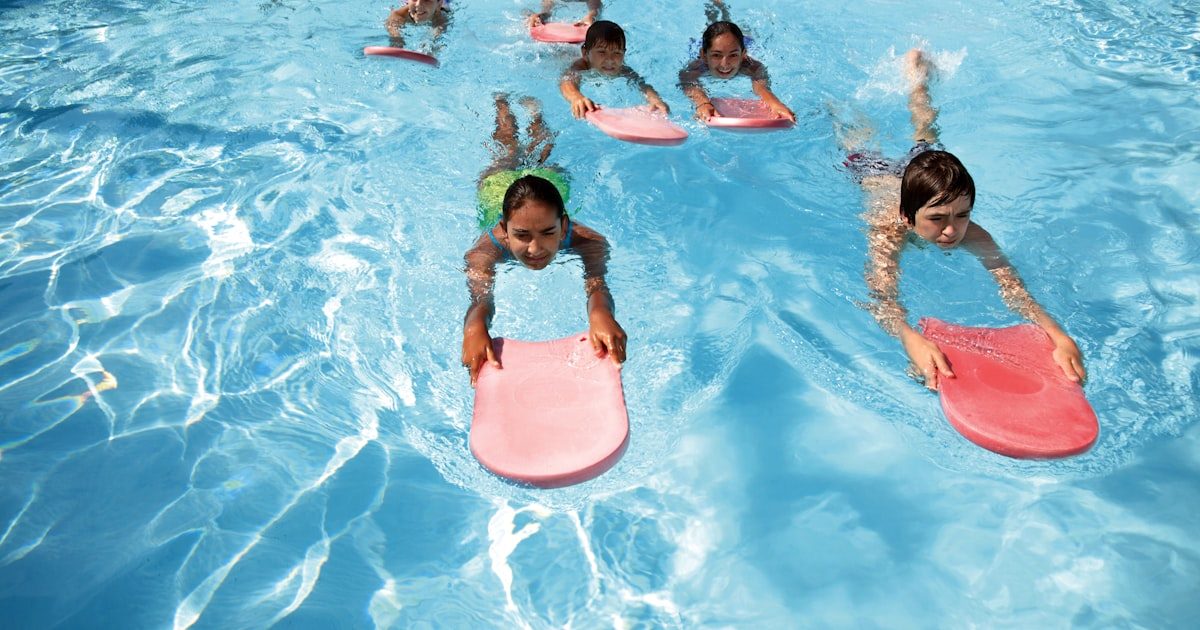
Choosing a swimming coach in Singapore for your child is one of the more important decisions a parent makes, because swimming here is both a life skill and a national rite of passage. With so many pools, programmes and instructors to pick from, it helps to know what genuinely matters before you commit your weekends and budget. This guide walks you through the SwimSafer framework, private versus group lessons, how to verify a coach’s credentials, and what costs look like as a concept — so you can make a confident, water-safety-first choice.
Understand the SwimSafer stages first
Singapore’s national learn-to-swim programme, SwimSafer, gives parents a clear, standardised yardstick. Rather than vague promises of “your child will swim”, a good coach will speak in terms of these stages and tell you exactly where your child sits and what comes next.
- Preliminary / water orientation: getting comfortable in water, breath control, submersion and floating without panic. This is where nervous beginners and younger children start.
- Stage 1: basic propulsion, gliding and entering shallow water safely.
- Stages 2–3: building front crawl and backstroke, treading water, and survival skills like floating fully clothed.
- Stages 4–6: refining all strokes, increasing distance and stamina, and personal-survival and rescue-awareness skills.
Ask any prospective coach how they map their lessons to SwimSafer. A structured coach will assess your child first, set a realistic stage goal, and explain the milestones along the way rather than simply repeating drills week after week.
Choose a certified and registered coach
This is the single most important check. In Singapore, reputable learn-to-swim coaches typically hold recognised teaching qualifications and should be able to tell you which body they are accredited under and that they are authorised to conduct and assess SwimSafer. Beyond paperwork, look for a coach who is current with safety and first-aid training.
What to verify before signing up
- A recognised swim-coaching or teaching certification, and SwimSafer assessor status if your child will be tested.
- Valid first aid and CPR/AED training — non-negotiable around water.
- Experience specifically with the age and temperament of your child; coaching a confident eight-year-old is very different from coaxing a fearful four-year-old.
- A clear safeguarding approach: how the coach communicates with parents and conducts themselves with young children.
A trustworthy coach welcomes these questions. If someone is evasive about credentials, treat that as a red flag and move on.
Private vs group lessons: which suits your child?
There is no universally “better” option — it depends on your child’s age, confidence and your budget. Both can be excellent when the coach is good.
Private (one-to-one) lessons
These offer the fastest progress and the most individual attention, which is ideal for anxious beginners, children with a fear of water, or those preparing for a specific SwimSafer assessment. The trade-off is cost — private lessons sit at the higher end of the price range — and the lack of peers, which some children find less motivating.
Group and semi-private lessons
Small groups are more affordable per session and many children thrive on the social energy and gentle peer encouragement. The trade-off is less individual correction, so group classes work best once a child has basic water confidence. A good middle path is a semi-private arrangement of two to three children, which balances cost, attention and fun. Whatever you choose, ask about the coach-to-child ratio — smaller is safer and more effective for young learners.
Public (ActiveSG) vs condo pools
Where lessons happen matters more than parents often realise. The two common settings each have pros and cons.
- ActiveSG and public pools: found island-wide and built for learning, with graduated depths, dedicated teaching pools and lifeguards on duty. They can be busier and noisier, and you may pay separate pool entry, but the facilities are purpose-built for learn-to-swim.
- Condominium pools: convenient if you live in the development, quieter, and easy to fit around a busy family schedule. However, depths can be unsuitable for beginners, some condos restrict outside coaches, and there may be no lifeguard, so the coach’s own vigilance becomes even more important.
Pick a location with an appropriate shallow or graduated depth for your child’s stage, and confirm the coach is permitted to teach there. Proximity matters too — a pool you can reach easily means lessons actually happen consistently, which is what drives progress.
Make water safety the priority, not certificates
It is easy to fixate on stroke technique and stage badges, but the real goal at the early levels is keeping your child safe in and around water. Drowning can be silent and fast, and Singapore’s pools, beaches and condo waters are part of daily life.
A child who can float, recover to the surface, calmly reach the wall and call for help is safer than one with a tidy front crawl but no survival instinct.
Favour a coach who teaches survival skills early — breath control, floating, treading water and self-rescue — and who actively supervises. No certificate replaces constant adult supervision; even a strong young swimmer should never be left unwatched near water.
Understanding lesson costs in Singapore
We never quote fixed figures here because rates shift with the coach’s experience, lesson length, location and group size — and prices change over time. Instead, understand the structure of what you pay so you can compare fairly:
- Per-session rate: private one-to-one lessons cost the most per session; semi-private and group classes cost progressively less per child.
- Package vs pay-as-you-go: many coaches sell terms or multi-lesson packages, which usually lower the effective per-lesson price but lock you in — sensible only once you trust the coach.
- Add-ons: factor in pool entry fees at public pools, any registration or assessment fees, and swim gear.
When comparing quotes, look at the total cost to reach a goal (say, completing a SwimSafer stage), not just the headline per-lesson price. A pricier coach who gets there in fewer, more effective sessions can be better value. To shortlist options near you, browse the swimming lessons category on WhitePages.sg, and explore the wider WhitePages.sg directory for related family and fitness services. Parents teaching themselves alongside their child may also find our guide to swimming lessons for adults in Singapore useful.
Related guides
- Fitness & Sports in Singapore: The Complete Guide
- Private vs Group Swimming Lessons in Singapore
- Swimming Lessons in Singapore: A Parent’s Guide
- Best Swimming Lessons in Singapore (2026 Guide)
- Swimming Lesson Prices in Singapore (2026 Guide)
Frequently asked questions
At what age can my child start swimming lessons in Singapore?
Many programmes accept children from around four years old for structured learn-to-swim, as that is typically when a child can follow instructions and stay focused. Younger toddlers can join parent-accompanied water-familiarisation classes, which build comfort rather than formal strokes. The right starting point depends on your child’s confidence and maturity more than age alone.
How long does it take for a child to learn to swim?
It varies widely. A confident child may grasp basic strokes within a few months of weekly lessons, while a nervous beginner needs longer simply to feel safe in the water. Progress through the SwimSafer stages is gradual by design, so focus on consistent attendance and steady improvement rather than racing for a certificate.
Are private swimming lessons worth the extra cost for kids?
For anxious beginners, children with a fear of water, or those working toward a specific assessment, private lessons often justify the higher price through faster, more tailored progress. Once a child is water-confident, small group or semi-private classes usually offer better value and the added benefit of swimming alongside peers.
How do I check if a swimming coach is properly certified?
Ask the coach directly which coaching or teaching qualification they hold, whether they are an authorised SwimSafer assessor, and whether their first aid and CPR/AED training is current. A reputable coach answers openly and can show evidence. Hesitation or vague answers about credentials are a clear reason to look elsewhere.
Should my child learn at a public pool or our condo pool?
Public and ActiveSG pools are purpose-built for learning with appropriate depths and lifeguards, which suits beginners well. Condo pools are convenient and quieter but may be too deep for young children and often lack lifeguards. Choose based on suitable depth, the coach’s vigilance, whether the coach is allowed to teach there, and the consistency a nearby pool allows.


