
Local Guide
Music Lesson Prices in Singapore (2026 Guide)
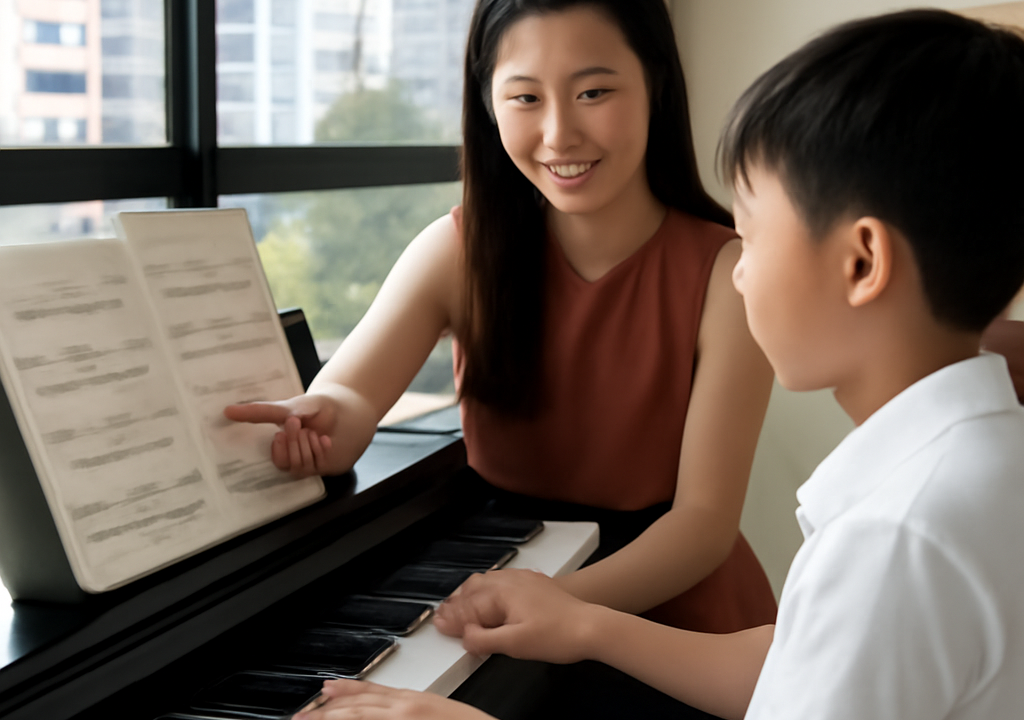
If you are researching the music lessons price in Singapore, this guide breaks down the typical SGD ranges by instrument, compares group classes with one-to-one tuition, and shows how rates change with lesson length and exam preparation. It is written for parents enrolling a child and for adults picking up an instrument, so you can budget before committing to a school or teacher.
Every figure below is a broad market range, not a fixed quote. What you pay depends on the instrument, the teacher’s qualifications, the lesson length, and whether you learn at a school or with a private teacher, so treat the numbers as planning estimates and confirm specifics with each provider.
Music Lessons Cost in Singapore
In Singapore, the cost of music lessons varies significantly depending on the instrument, the teacher’s qualifications, and the lesson format. For most instruments, including piano, guitar, and violin, typical monthly costs for school-age children range from $160 to $400. This range generally covers weekly lessons with qualified instructors and is reflective of the market rate for formal instruction.
Hourly rates for music lessons can also vary widely. For instance, piano lessons typically cost between $40 and $200 per hour, depending on the teacher’s experience and the location of the lessons. Lessons in prime areas or those conducted in well-equipped studios may command higher fees due to the enhanced learning environment.
While some budget options are available, such as lessons starting at $15 per hour, these often come with concerns about the instructor’s qualifications and the quality of instruction. Conversely, high-end lessons with experienced teachers can exceed $100 per hour, especially for advanced students seeking specialised training.
Additional costs may include purchasing method books, sheet music, or exam materials, which can increase the overall expense of learning music. It’s important for prospective students and parents to consider these factors when budgeting for music education in Singapore.
Group vs one-to-one, and lesson length
Group versus one-to-one lessons
Group classes are the budget-friendly route and work well for young beginners learning fundamentals and enjoying a social setting, though each student gets less individual attention. One-to-one lessons cost more but allow the teacher to tailor pace and repertoire, correct technique closely, and prepare a student for graded exams, which is why most serious learners move to private tuition.
Lesson length and exam preparation
Shorter 30-minute lessons suit young children and early beginners and keep the per-lesson cost down. As a student advances, longer 45 or 60-minute lessons become worthwhile to cover scales, pieces, theory and aural work. Exam preparation for graded syllabuses often carries a premium because it demands experienced coaching, plus separate exam entry, theory and, for some instruments, accompanist fees.
What affects the price
- Group versus one-to-one: private tuition costs considerably more per lesson than a group class.
- Lesson length: 30, 45 and 60-minute lessons step up in price with the time.
- Instrument: some instruments and specialist teachers command higher rates than others.
- Teacher qualifications and experience: diploma-holding or performance-experienced teachers charge more.
- Grade and exam focus: higher grades and exam preparation typically raise the rate.
- School versus private and venue: home visits or studio rental can add to the cost.
How to compare and budget
Do not look at the per-lesson price in isolation — factor in the lesson length, the teacher’s experience, and the extras such as exam entry fees, books and an instrument. A slightly pricier teacher who progresses a student efficiently and prepares them well for exams can be better value over a year. Ask whether the rate is per lesson or per month, what happens with missed lessons, and what is included beyond tuition.
If you are deciding between providers, weigh cost against the teacher’s track record and the fit for your goals. To shortlist options, browse the music schools category on WhitePages.sg and compare a few before enrolling.
Red flags to avoid
- Large prepaid packages: paying many months upfront limits flexibility if the teacher is not the right fit.
- Unclear extra charges: registration, exam entry, books, materials or accompanist fees not stated upfront.
- Guaranteed-distinction claims: no teacher can guarantee an exam result; the assessment is independent.
- Oversized group classes: too many students per teacher means little individual feedback.
- Unverified credentials: always check the teacher’s qualifications and experience for your chosen instrument and grade.
The one-off and yearly costs beyond tuition
Lesson fees are only part of the picture. Once a student begins working towards a graded syllabus such as ABRSM or Trinity, several separate charges appear through the year, and budgeting for them upfront avoids surprises. Most are paid once per exam or once per instrument rather than every month, but together they can rival a month or two of tuition.
- Exam entry fees: ABRSM and Trinity practical grades are charged per attempt and rise steeply with the grade, with higher grades costing noticeably more than early ones; theory exams are billed separately.
- Registration and admin: many schools charge a one-off enrolment or annual registration fee, plus material or book fees each grade.
- Instrument purchase or rental: a beginner keyboard, guitar or violin can be bought modestly, while rental schemes suit growing children who will size up; pianos and brass sit far higher.
- Recital and accompanist fees: end-of-year recitals, performance opportunities and an exam accompanist for strings, voice or wind are usually charged on top.
When comparing a school against a private home tutor or an online teacher, ask which of these are bundled and which are extra. A home tutor may quote a higher lesson rate but skip registration and venue charges. To weigh nearby options, browse the music schools listings on WhitePages.sg before committing.
Related guides
- Education & Enrichment in Singapore: The Complete Guide
- Best Music Schools & Lessons in Singapore
- Best Drum Lessons in Singapore (2026 Guide)
- Best Piano Lessons in Singapore (2026 Guide)
- Best Violin Lessons in Singapore (2026 Guide)
Frequently asked questions
How much do music lessons cost in Singapore?
Group classes typically cost around $20–$45 per lesson, while one-to-one tuition usually runs from about $30 for a 30-minute lesson up to $120 or more for a 60-minute lesson with an experienced teacher. Instrument, grade and lesson length all move the figure within that range.
Are group or one-to-one music lessons cheaper?
Group classes are cheaper per lesson and suit young beginners learning fundamentals in a social setting. One-to-one lessons cost more but offer tailored pacing, close technique correction and exam preparation, which is why most students move to private tuition as they progress.
How much does exam preparation add to lesson fees?
Graded-exam coaching often carries a premium over a standard lesson because it requires experienced teaching. On top of tuition you should also budget for separate exam entry fees, theory lessons, books, and for some instruments an accompanist, all of which are charged independently.
Which instrument is cheapest to learn?
Costs vary more by teacher and lesson length than by instrument alone, but beginner guitar, ukulele or keyboard lessons are often among the more accessible to start. Strings, voice and specialist instruments at higher grades tend to sit at the upper end because they need specialist teachers.
Where can I find music schools near me?
You can browse listings by area through the WhitePages.sg directory, which makes it easy to compare music schools and private teachers before enrolling.
How do I choose a music teacher in Singapore?
Look for a teacher with relevant qualifications, teaching experience, a good track record and a teaching style that suits your child. Ask about lesson structure, exam preparation and practice expectations. A trial lesson helps check rapport. Be cautious of very cheap lessons, as low prices may reflect less experienced instructors.
What age should my child start music lessons?
Many children start music lessons around ages four to seven, depending on the instrument and their readiness. Younger children may benefit from group music-and-movement classes before formal lessons. Piano and violin are commonly started early, while instruments like guitar or wind instruments suit slightly older children.
Do I need to buy an instrument for music lessons?
Yes, students usually need an instrument at home to practise regularly between lessons. Renting is a good option for beginners or growing children, especially for violin or larger instruments. Consider second-hand instruments to save money. Ask your teacher for advice on suitable instruments and sizes.


