
Local Guide
Pole Dancing Classes in Singapore: How to Choose
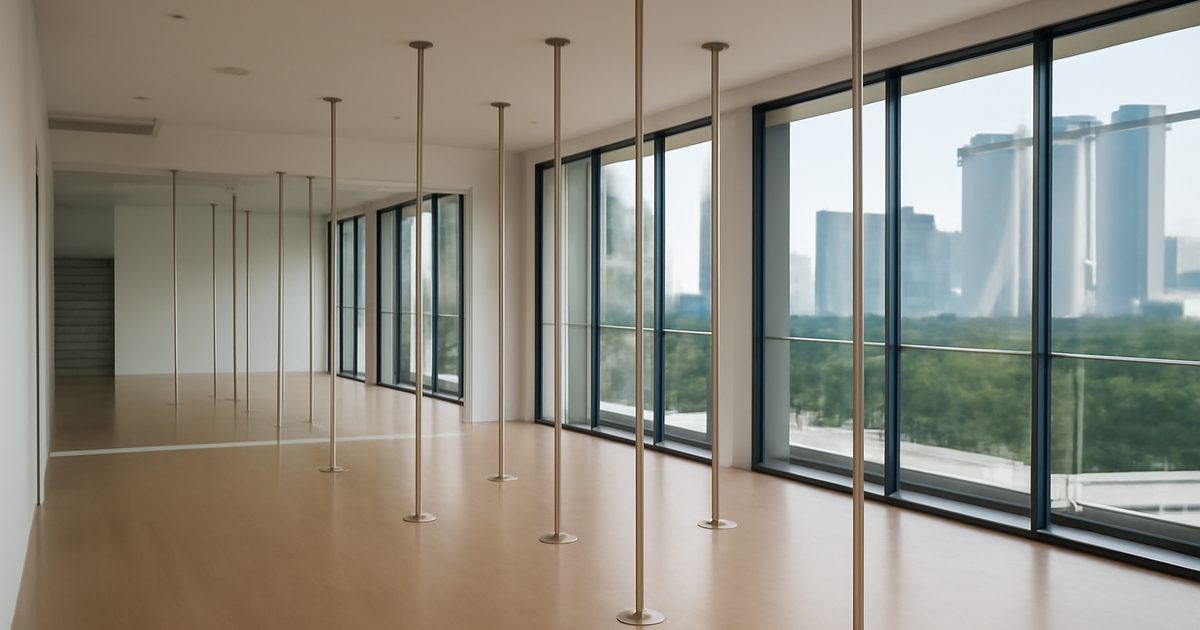
If you are searching for pole dancing in Singapore, the choice can be confusing — studios advertise everything from athletic fitness drills to flowing artistic routines, and the pricing models vary just as widely. This guide is for complete beginners and returning movers who want to pick the right class without guesswork. We focus on how to choose: the styles on offer, what a good beginner package looks like, the safety details that matter, and what genuinely affects what you pay.
Pole fitness vs pole art vs exotic styles
The first thing to sort out is what kind of pole class you actually want, because the label on the timetable shapes everything from the music to the muscles you will use.
Pole fitness
This is the most common entry point. Classes lean on strength, conditioning and climbing technique, usually on a static or spinning pole. Expect grippy attire, controlled progressions and a focus on building the upper-body and core strength that everything else depends on. If your goal is a workout that happens to be fun, start here.
Pole art (or pole flow)
Pole art blends tricks with choreography, transitions and performance quality. It tends to suit people who already have some basic strength and want to string moves into a routine. Many studios treat this as an intermediate pathway rather than a first class.
Exotic and heels styles
Exotic pole emphasises floorwork, fluidity and dancing in heels, often to slower, sensual music. It is a distinct skill set and a distinct vibe — some people love it, others prefer the athletic side. A good studio will be upfront about which of its classes are exotic so you can self-select comfortably.
None of these is “better” than the others. The right pick is simply the one whose music, pace and goals match what you actually enjoy, so read class descriptions carefully before booking.
Beginner intro packages and trial classes
Most reputable studios offer a beginner-specific entry point, and you should use it rather than dropping into a general class. Look for a few things:
- A genuine beginner track — a fundamentals course or “Pole 101” that assumes zero experience and teaches grip, basic spins and safe dismounts in order.
- A trial or intro package — many studios bundle one to three discounted first sessions so you can test the teaching style before committing.
- Small enough progression — beginner classes that move too fast tend to skip the conditioning that prevents injury later.
A trial class also tells you things a website cannot: whether the instructor watches everyone, how clean the studio is, and whether the room temperature and humidity (a real factor in Singapore) help or hurt your grip.
Class size, spotting, safety and crash mats
Pole is a strength sport performed at height, so safety practices separate a good studio from a risky one. These are the things to look at before you sign up.
Class size and attention
Smaller groups mean the instructor can correct your form and catch unsafe attempts early. If a beginner class crams many students onto few poles, you will spend more time waiting and less time learning — and corrections matter most when you are new.
Spotting and crash mats
Ask whether the instructor spots students on inverts and harder moves, and whether crash mats are available and actually used for anything off the floor. A studio that treats mats as standard rather than optional is signalling the right priorities.
Pole condition and spacing
Well-maintained, properly tensioned poles and enough space between stations are basic safety. Wobbly poles or cramped layouts are red flags.
Equipment, grip aids and what to wear
Pole has its own quirks around grip and clothing, and knowing them in advance makes your first class far smoother.
Grip aids
Singapore’s humidity is the enemy of grip. Studios usually keep grip aids on hand — drying agents for sweaty hands or tackier products for skin contact — and a good instructor will guide you on what suits the day’s conditions. You do not need to buy anything for a first class.
What to wear
For fitness and art classes, wear shorts and a fitted top or sports bra. Bare skin on arms, legs and stomach is what grips the pole, so leggings and long sleeves make most moves impossible. For exotic or heels classes, the studio will advise on footwear, but you do not need heels to begin. Avoid lotions and oils before class — they make the pole slippery and unsafe.
Instructor certification and experience
There is no single mandatory licence for pole instruction, which makes the instructor’s background worth checking yourself. Look for teachers who have recognised pole or fitness instruction qualifications, who can explain progressions and modifications clearly, and who have meaningful teaching experience rather than only personal performance experience. A strong instructor scales moves up or down for different bodies, names the muscles you are using, and prioritises clean technique over flashy tricks. During a trial, notice whether they correct posture and grip actively — that attentiveness is the single best predictor of safe, fast progress.
Typical pricing in Singapore
Pole pricing in Singapore varies with class type, studio location and how you buy. Treat the following as broad SGD ranges, not quotes — always confirm current rates with the studio.
- Trial or intro session: often discounted, commonly somewhere in the $20–$45 range as a one-off taster.
- Single drop-in class: typically $35–$70 depending on length and studio.
- Multi-class packages or term courses: bundling lowers the per-class cost, frequently landing around $25–$50 per class once spread across a package.
- Monthly unlimited or memberships: can be cost-effective for regulars, usually a few hundred dollars a month at the higher-volume end.
What affects pricing
Specialist classes such as exotic or heels, very small group sizes, prime central locations near an MRT, and private one-to-one coaching all push prices up. Off-peak slots, longer packages and beginner-course bundles bring the effective price down. Watch for sign-up fees or charges for grip products that are not included.
How we suggest choosing
Shortlist by style first, then by location and timetable, then book a trial before committing to a package. Compare two or three studios on the safety and attention points above rather than on price alone — the cheapest class is poor value if you cannot get on a pole or never get corrected. You can browse and compare dance and movement studios in our dance studios category, search the wider WhitePages.sg directory, or narrow to options around the central region if you want somewhere close to the CBD. If pole is part of a broader movement interest, our guides to choosing a dance studio in Singapore and aerial yoga in Singapore are useful companions.
Related guides
- Fitness & Sports in Singapore: The Complete Guide
- Dance Classes in Singapore: How to Choose
- Best Hip-Hop Dance Classes Singapore (2026)
- Best Zumba Classes in Singapore (2026 Guide)
- Best Zumba Classes in Singapore (2026 Guide)
Frequently asked questions
Do I need to be strong or flexible to start pole dancing?
No. Beginner classes assume zero strength and build it gradually through conditioning and basic spins. Flexibility and strength develop as you train, which is part of why people take it up in the first place.
Is pole dancing a good workout?
Yes — it combines upper-body and core strength, body awareness and cardio, depending on the class. Pole fitness in particular is structured as a full-body workout, while art and exotic styles add coordination and performance.
What should I wear to my first pole class?
Wear shorts and a fitted top or sports bra so your skin can grip the pole, and skip lotions or oils beforehand. Bring water. You do not need heels or any special equipment for a beginner session.
How long until I can do tricks or invert?
It varies with how often you train, but many beginners spend several weeks building the strength and technique for spins before attempting inverts. A good instructor will only progress you when your form and strength are ready.
Are pole classes only for women?
No. Pole is open to anyone, and a growing number of studios run mixed or all-level classes. Choose a studio whose class descriptions and atmosphere feel welcoming to you, and use a trial to gauge the fit.


